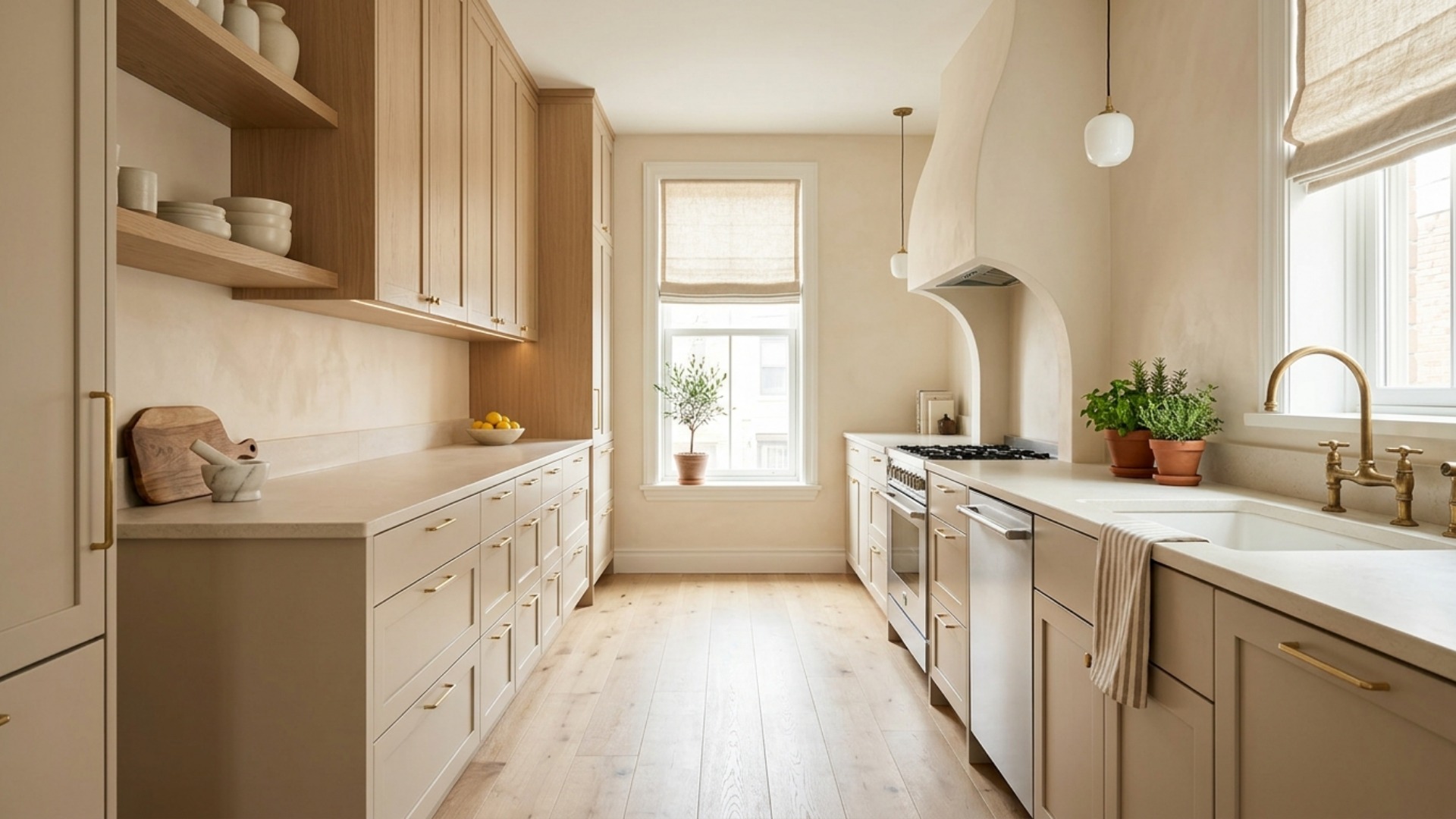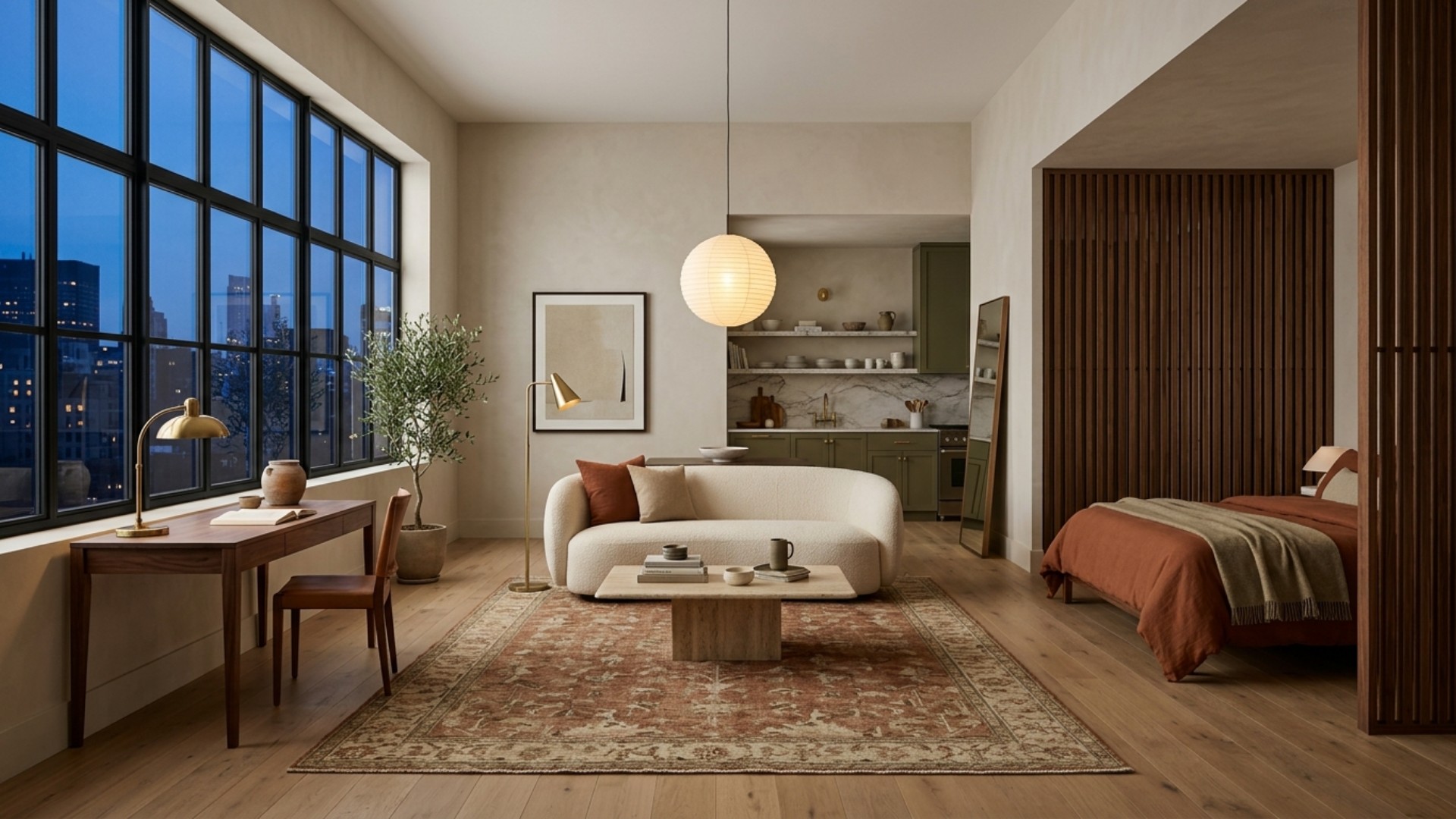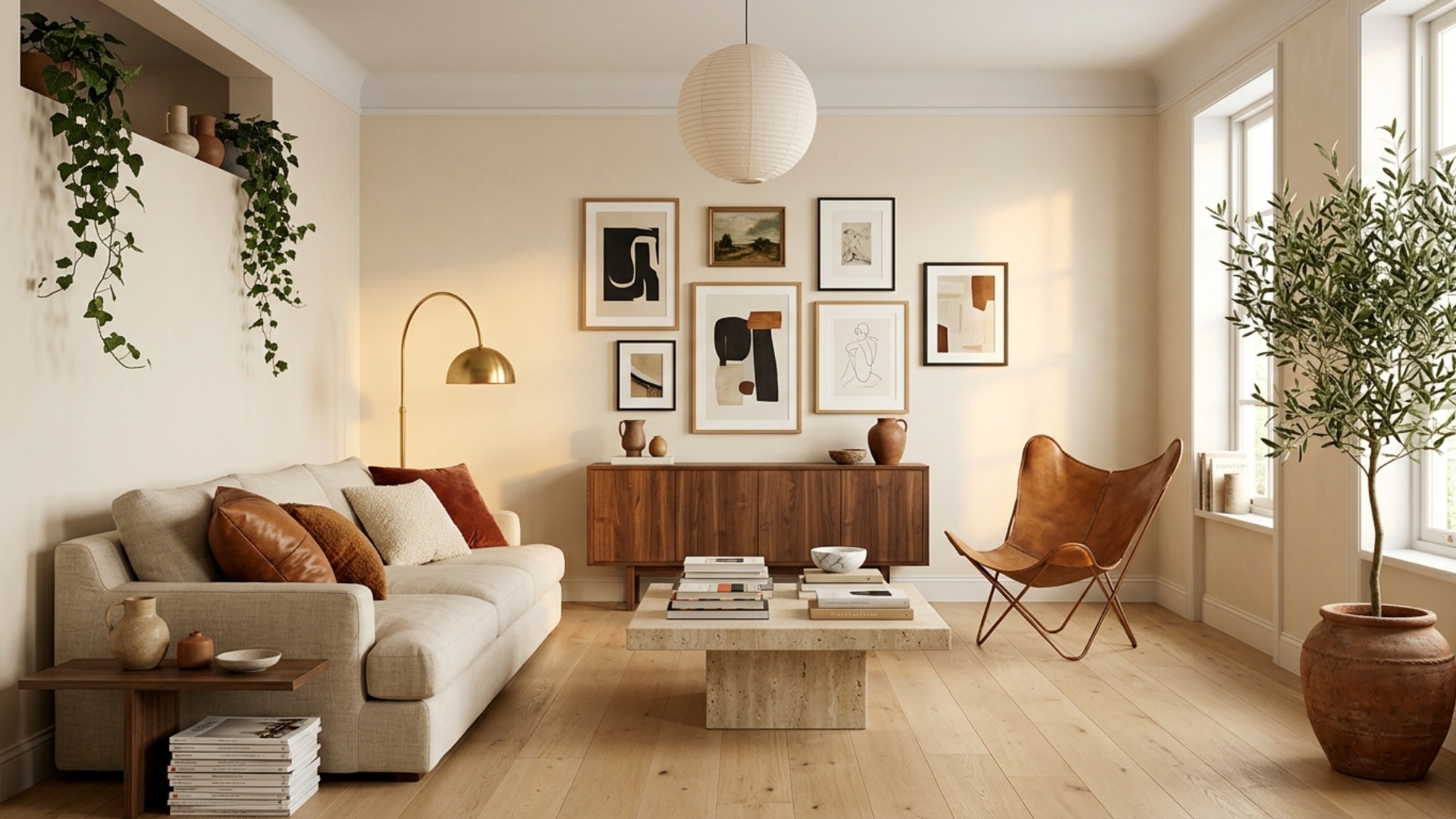

You find the room.
The one that makes your chest tighten a little. The one you save immediately. The one you think about in the shower.
This is it. This is the room.
You start collecting the pieces. The sofa that looks close enough. The rug that feels right. The lamp everyone uses.
And then you put it all together.
And somehow, it does not work.
The room looks fine. But it does not feel like the photo. It does not feel like you.
This is not a failure. This is a design truth most people never hear.
The Pinterest Promise
Pinterest sells a very specific idea.
If you just find the right image and copy it closely enough, your home will feel calm, elevated, and finished.
It feels logical. Visual input in, beautiful room out.
But homes are not recipes.
They are lived in by real people with real habits, real light, and real constraints.
Joy break
If copying Pinterest worked, no one would feel confused. We would all have the same sofa and be very happy about it.
The Five Reasons Pinterest Rooms Fall Apart in Real Life
Let us name what is actually happening.
1. Pinterest rooms are built for photos, not living
Most Pinterest rooms exist for one moment. One angle. One time of day.
The furniture is pushed back. The walkway is sacrificed. The coffee table is placed for symmetry, not knees.
Your life happens from every angle. The room does not know which one to choose.
2. The light in your home is different
Light is the quiet dictator of design.
Pinterest rooms are often shot in perfect daylight with bounced light, edited shadows, and a lot of help.
Your room has morning light. Or no light. Or winter light. Or the kind of light that makes beige turn sad.
The same colors behave completely differently.
3. Scale is invisible on a screen
That sofa looked perfect online.
In your room, it dominates. Or disappears.
Photos flatten reality. They lie about size, distance, and proportion.
Your room tells the truth immediately.
4. The room is missing the context that made it work
Pinterest rooms are not isolated.
They belong to a larger home. A certain ceiling height. A certain floor plan. A certain architectural language.
When you extract the room and drop it into a different context, it loses its grammar.
5. You copied the look, not the intention
This is the biggest one.
You copied the sofa, the rug, the art.
But you did not copy the reason behind them.
That room might have been designed for quiet mornings. Or frequent hosting. Or a family that sits on the floor.
Your life has different needs.
Joy break
The problem is not that you failed to copy the room. The problem is that you were never meant to.
Why This Feels So Personal
When a Pinterest copy fails, it feels like a personal shortcoming.
You question your taste. Your decision making. Your ability to “see” design.
But design is not about visual memory. It is about translation.
And Pinterest does not teach translation. It teaches imitation.
What Actually Works Instead
Instead of asking, “How do I make my room look like this?” ask a different question.
What is this room doing well?
Is it calm? Grounded? Airy? Cozy? Dramatic?
Those are feelings, not objects.
Once you identify the feeling, you can build toward it using your room’s dimensions, light, and habits.
This is slower than copying.
It is also why it works.
Joy break
Design starts to feel fun again when you stop trying to recreate someone else’s life.
A Softer Way to Start
If you are tired of copying and just want clarity, there is another way to approach this.
Instead of asking your room to look like a photo, you can ask it to show you a few possible directions.
That is the idea behind Framehouse .
You start with your actual room. Your light. Your layout. Your real constraints.
Framehouse helps you explore a few different design directions, not to copy them, but to see what actually feels right.
And once you land on a direction, you are not left guessing what to do next.
You can get a clear, step by step plan that breaks the room down into manageable actions.
You can also get a shopping list built around your exact budget, so you know what to buy, what to prioritize, and what can wait.
Most people notice something surprising. One option makes them exhale.
That feeling is the signal Pinterest never gives you.
If you want to try it, you can explore it here: https://tryframehouse.com
No pressure. No commitment. Just a clearer way to see your space, plus a practical plan to move forward.
A Final Thought for the Pinterest Weary
Pinterest is not the enemy.
It is a library of feelings.
The mistake is treating it like a blueprint.
Your home does not need to look like a photo.
It needs to support the way you actually live.
Once you stop copying and start translating, the room begins to make sense.
And the relief is immediate.