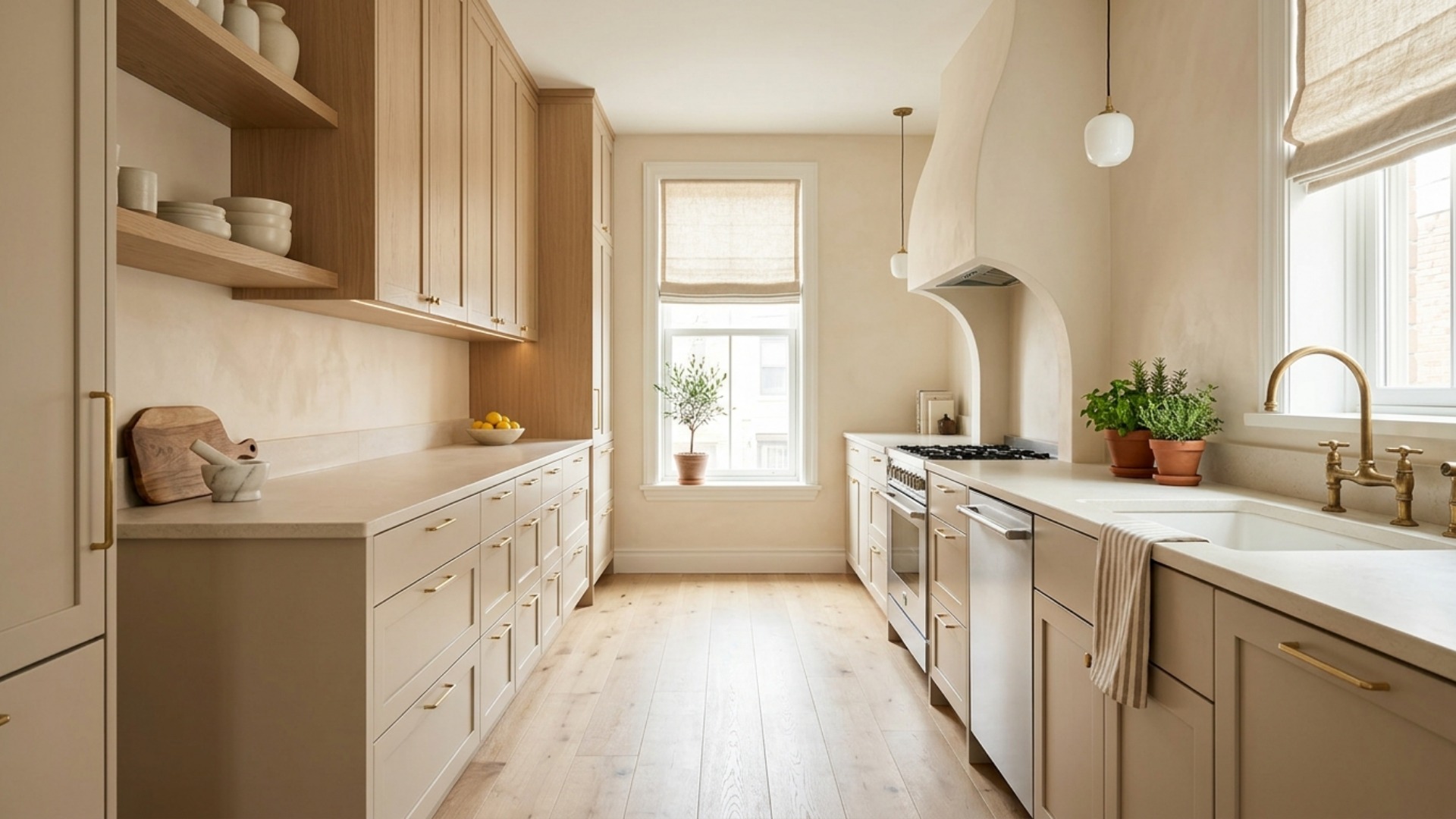
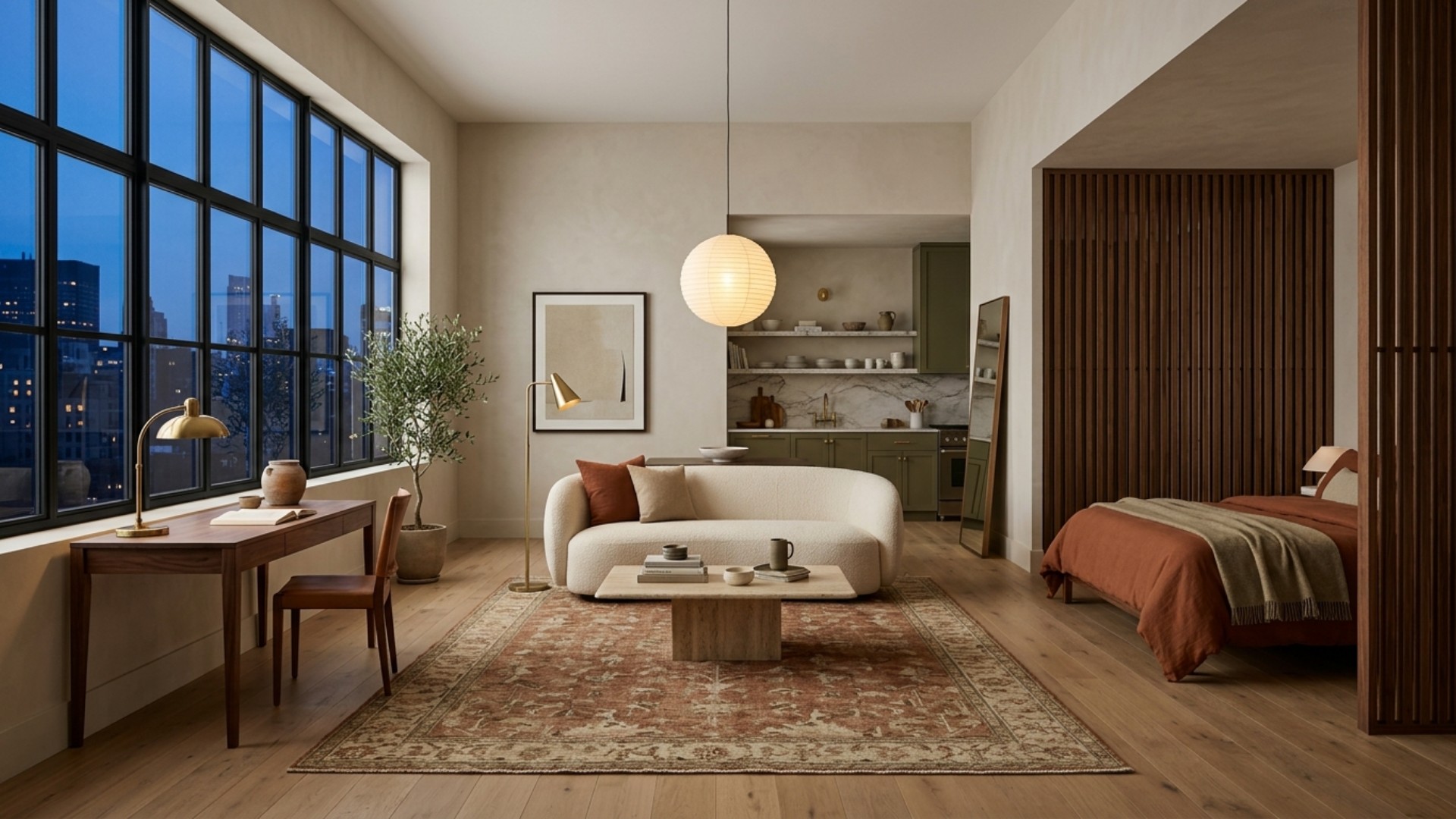
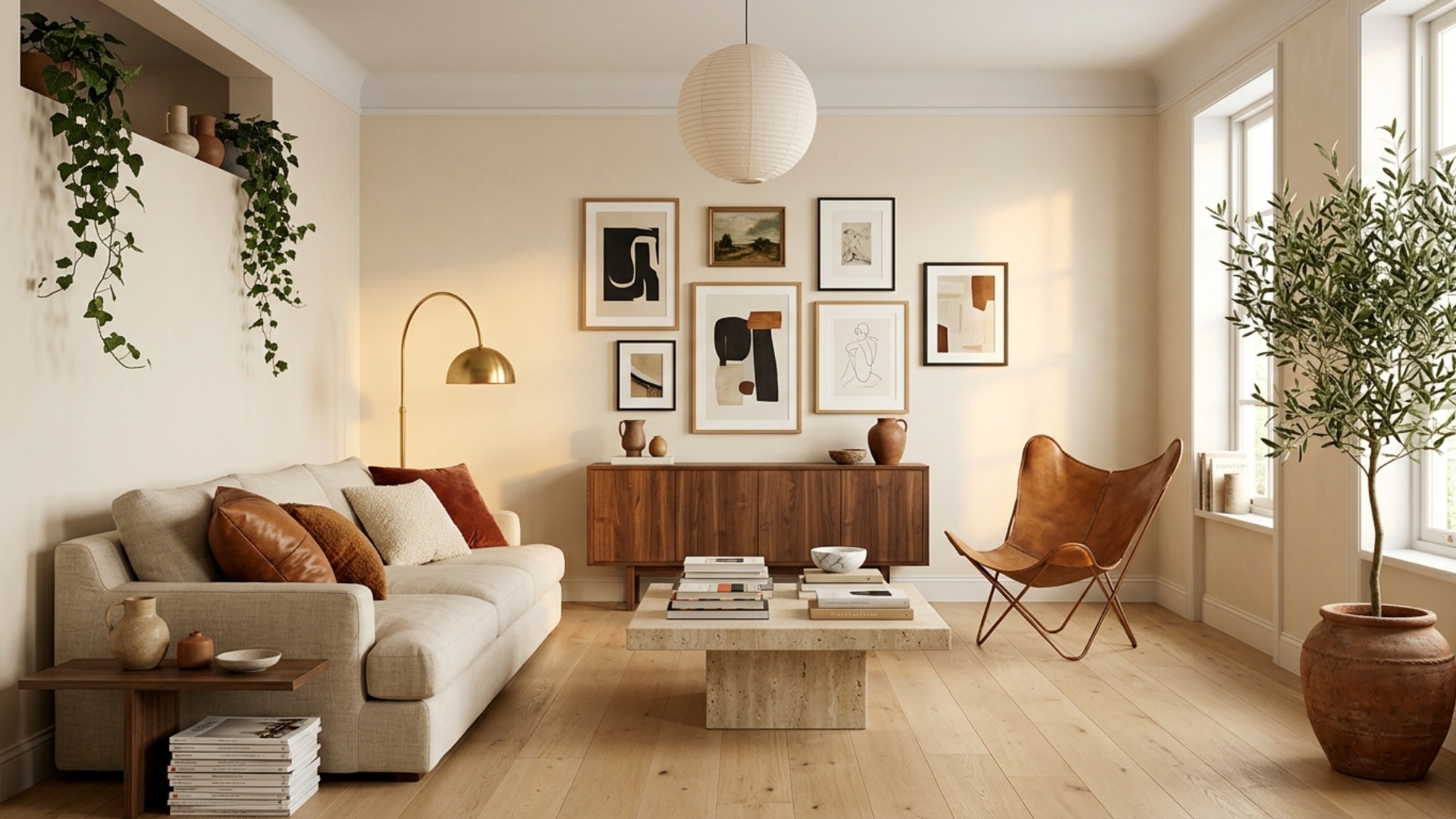
You know the feeling. You walk into a room and clock, in about four seconds, everything wrong with it. The rug is too small. The lighting is doing nobody any favors. That wall is quietly begging for something with more nerve. You are not short on taste or opinions. You are the creative director of your own home, and the vision is already loaded and ready to go.
What you have been missing is not ideas. It is a way to execute them fast, on your terms, without handing the keys to someone else. This is a short manifesto for the people who already know what they want, and simply want the tools to make it real.
The Taste Was Never the Problem
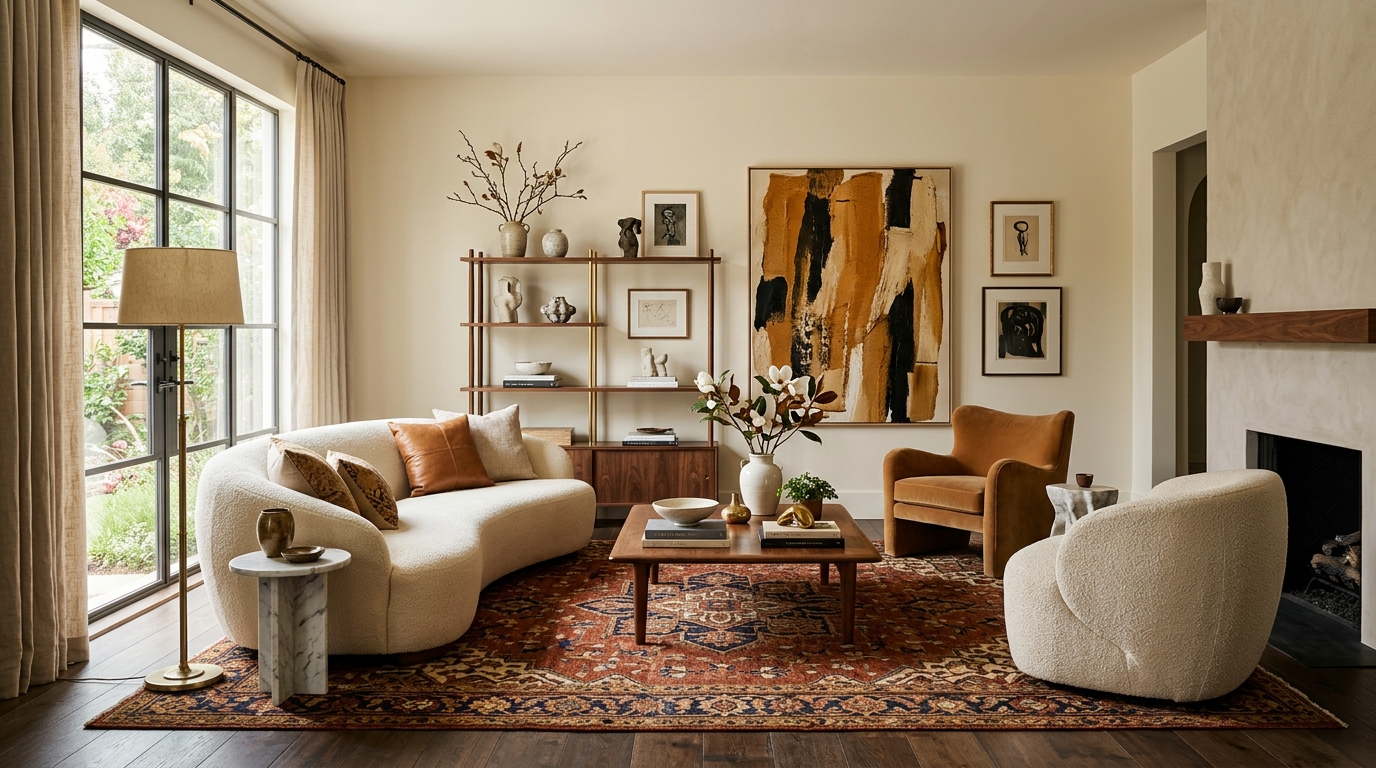
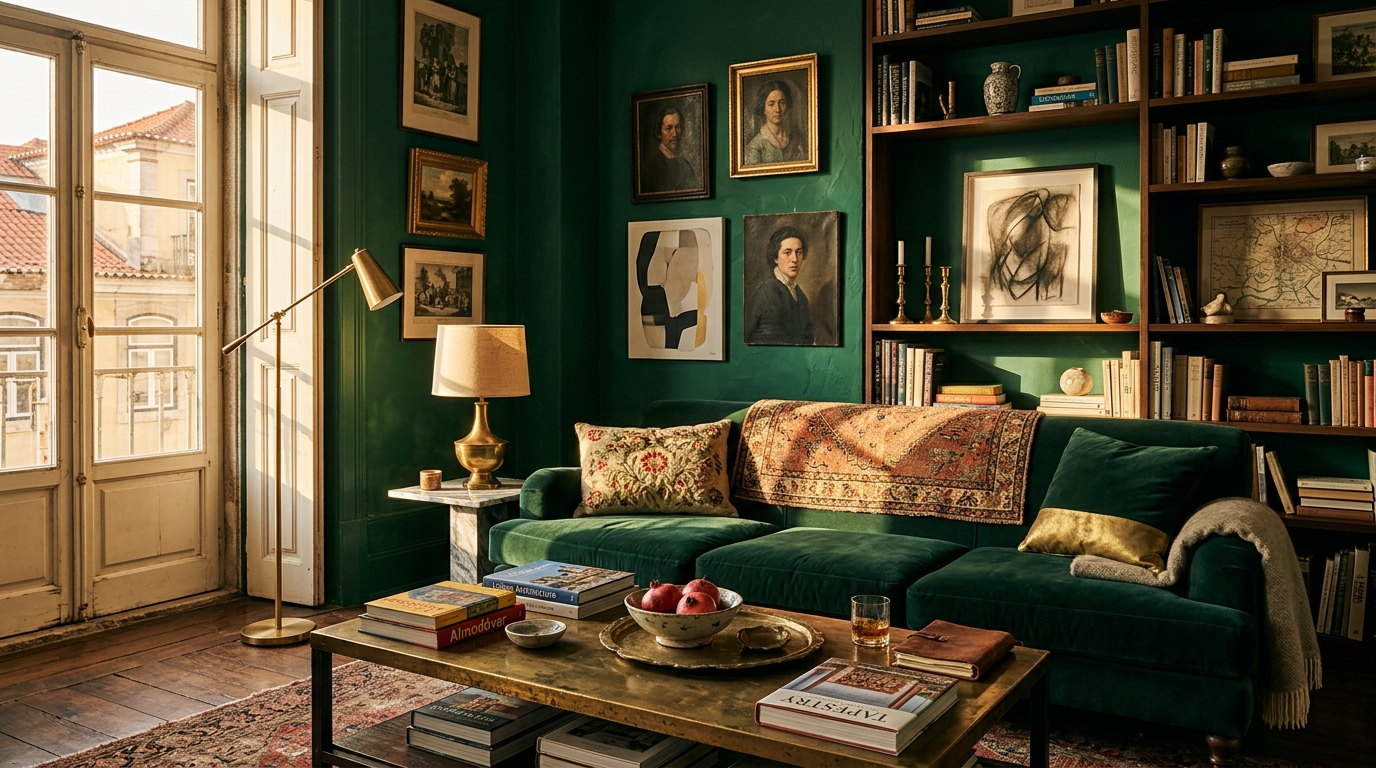
Somewhere along the way, the home design industry decided that having taste and being able to execute it were the same skill. They are not. You can know exactly the mood you want, the moody green, the low-slung sofa, the warm brass, the light like a late afternoon in Lisbon, and still have no fast way to see it in your own space before you commit.
That gap between a clear vision and a finished room is where most people stall. Not because they lack ideas, but because turning a mental picture into paint colors, furniture, and a layout has always meant either years of trial and error or hiring a professional to translate for you. The vision was never the bottleneck. The translation was.
The Old Way Asks You to Hand It Over
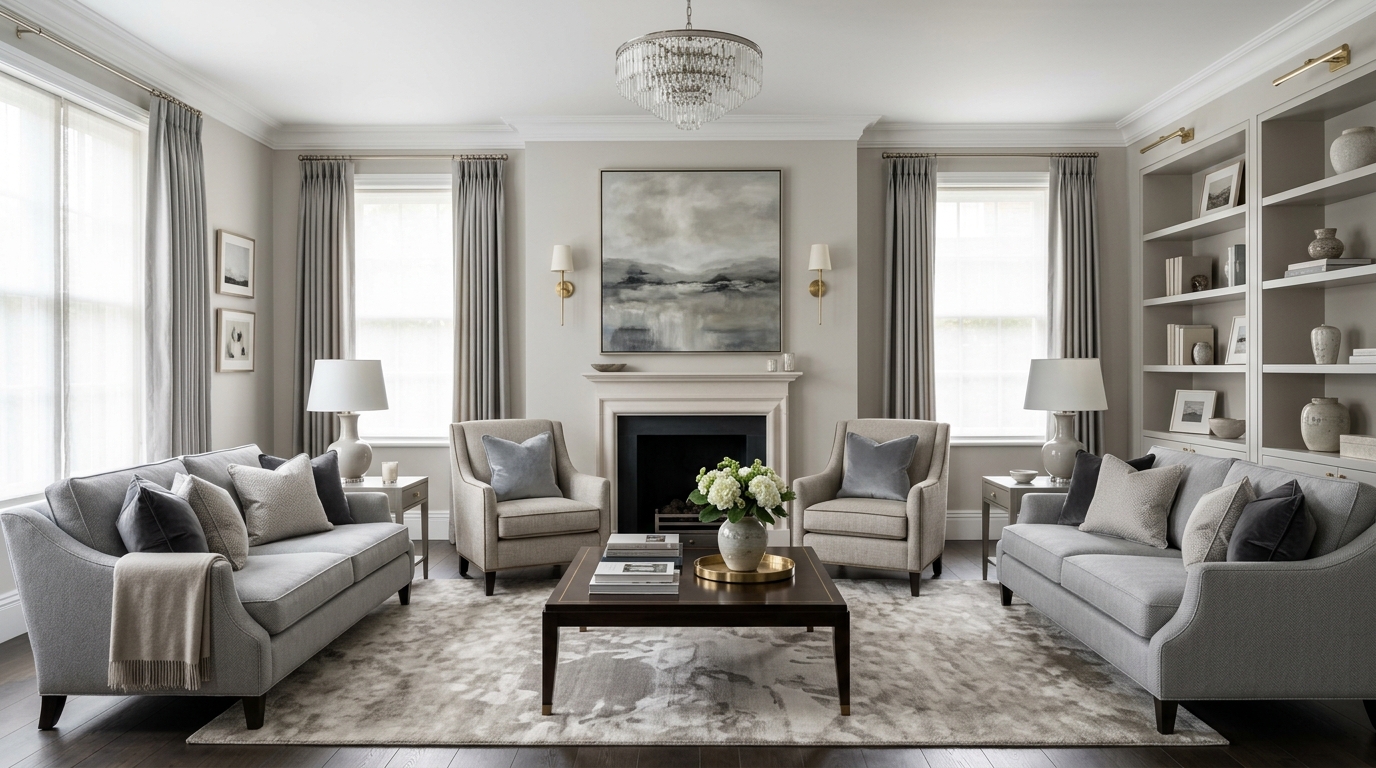
Hiring an interior designer is the traditional fix, and for some projects it is worth every dollar. But it is a serious commitment. Designers commonly charge from about $100 to $500 an hour, and a full project runs anywhere from roughly $2,000 to $15,000, often more in New York, Los Angeles, or San Francisco, where rates climb another 40 to 60 percent.
Money aside, there is a quieter cost. Surveys of why people hesitate to hire keep landing on the same fear at the top of the list: loss of control. The worry that you will spend all that time and money only to watch someone else's taste quietly overwrite your own. For a person who already has a point of view, that is not a small concern. It is the whole problem.
Control Is the Entire Point
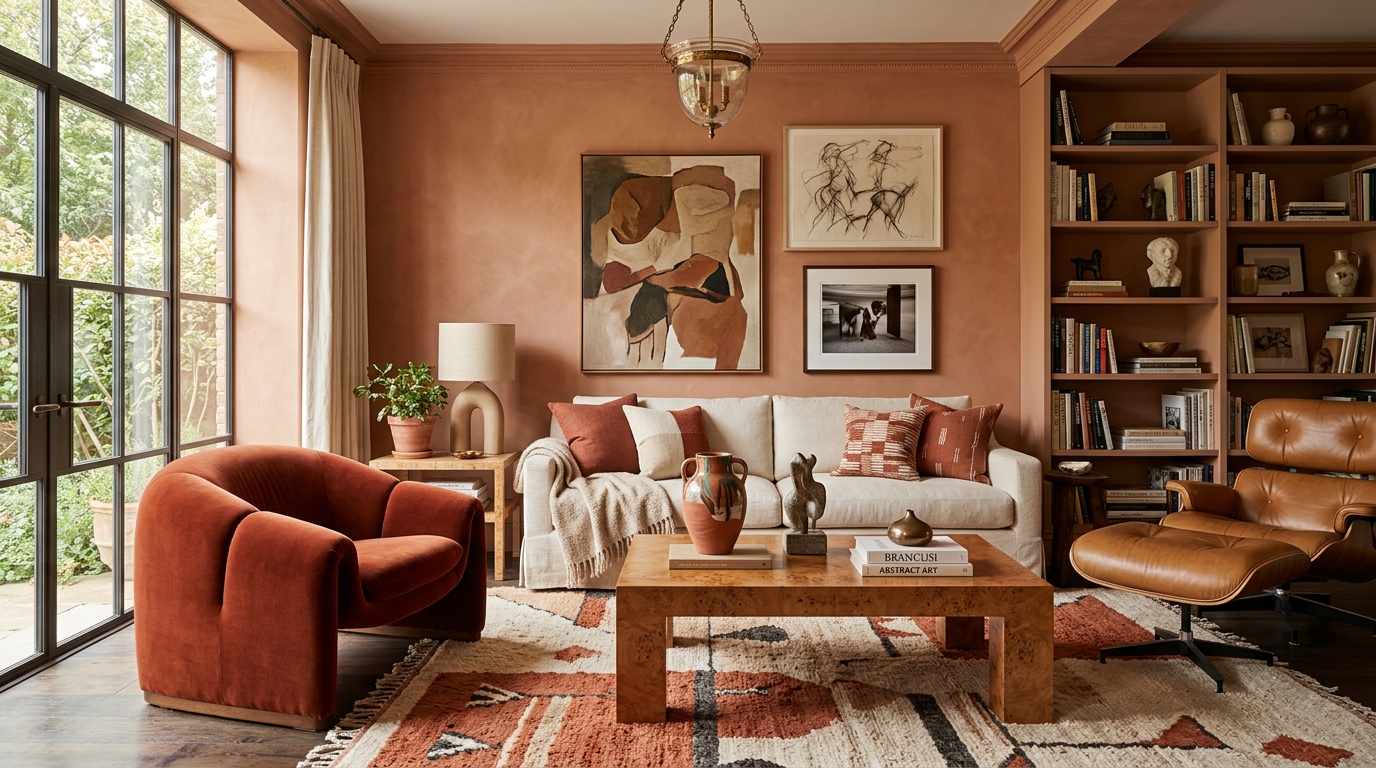
Designing on your own terms means you stay in the director's chair from the first idea to the final cushion. You set the direction. You approve the palette. You decide the sectional is wrong and swap it without booking a meeting or bracing for a raised eyebrow. The role of the tool is to serve your vision, not to negotiate it.
This is exactly what a good AI interior design app changes. You upload a photo of your actual room, choose a direction, and see it reimagined in that style, then keep editing until it matches the picture in your head. Nothing gets built or bought until you say so. No gatekeeper, no permission slip, no compromise you did not choose. Just your taste, made visible.
Speed Is a Creative Superpower
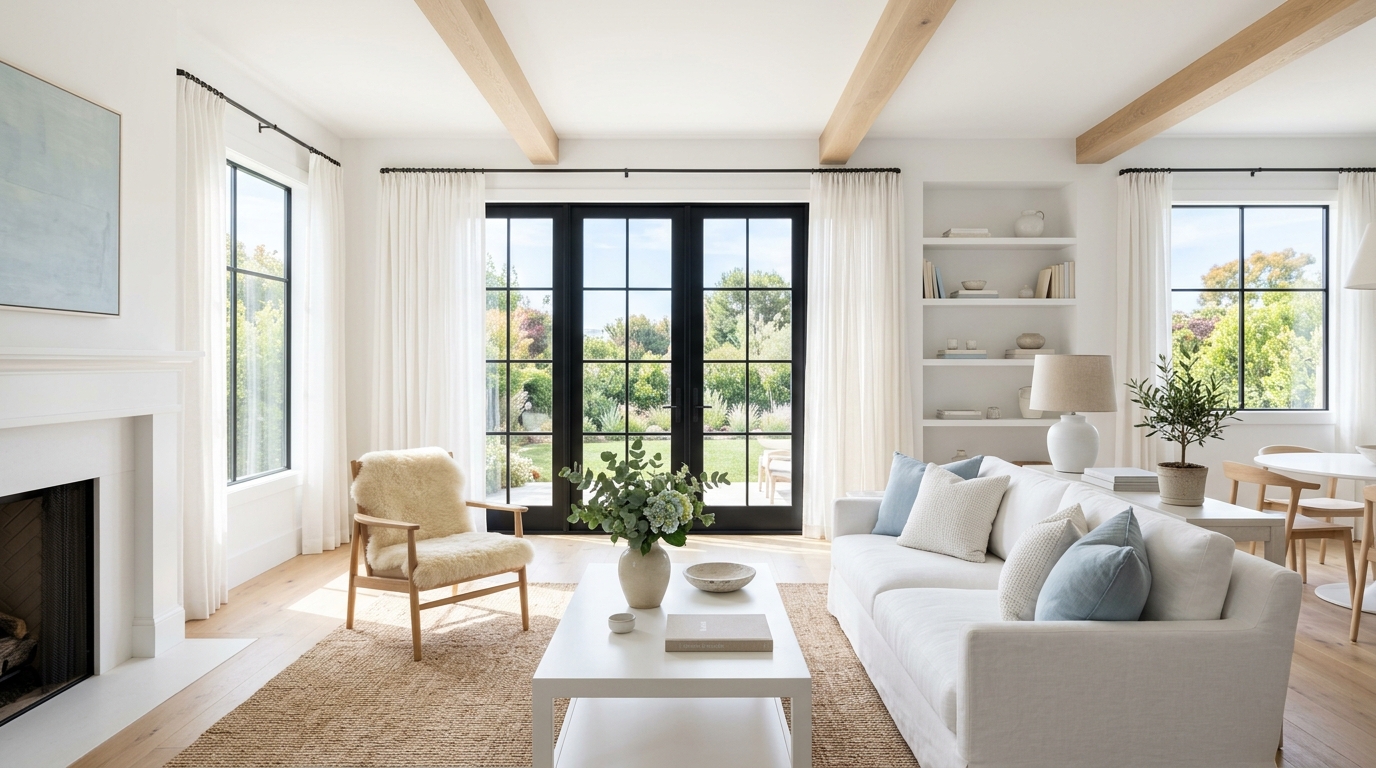
Here is the part people underestimate. When seeing a new direction takes minutes instead of weeks, you stop treating each idea as precious and start actually experimenting. Curious whether the room reads better in warm plaster or cool sage? Try both before your coffee gets cold. Torn between three layouts? Look at all three side by side instead of committing to one and hoping.
That speed does not just save time, it makes you braver. The creative directors with the best rooms are rarely the ones with the most expensive taste. They are the ones who got to iterate, who could test the risky idea cheaply and keep it only if it landed. When the cost of trying an idea drops to nearly zero, your ceiling for great design goes up.
Your Vision Deserves a Plan, Not Just a Mood Board
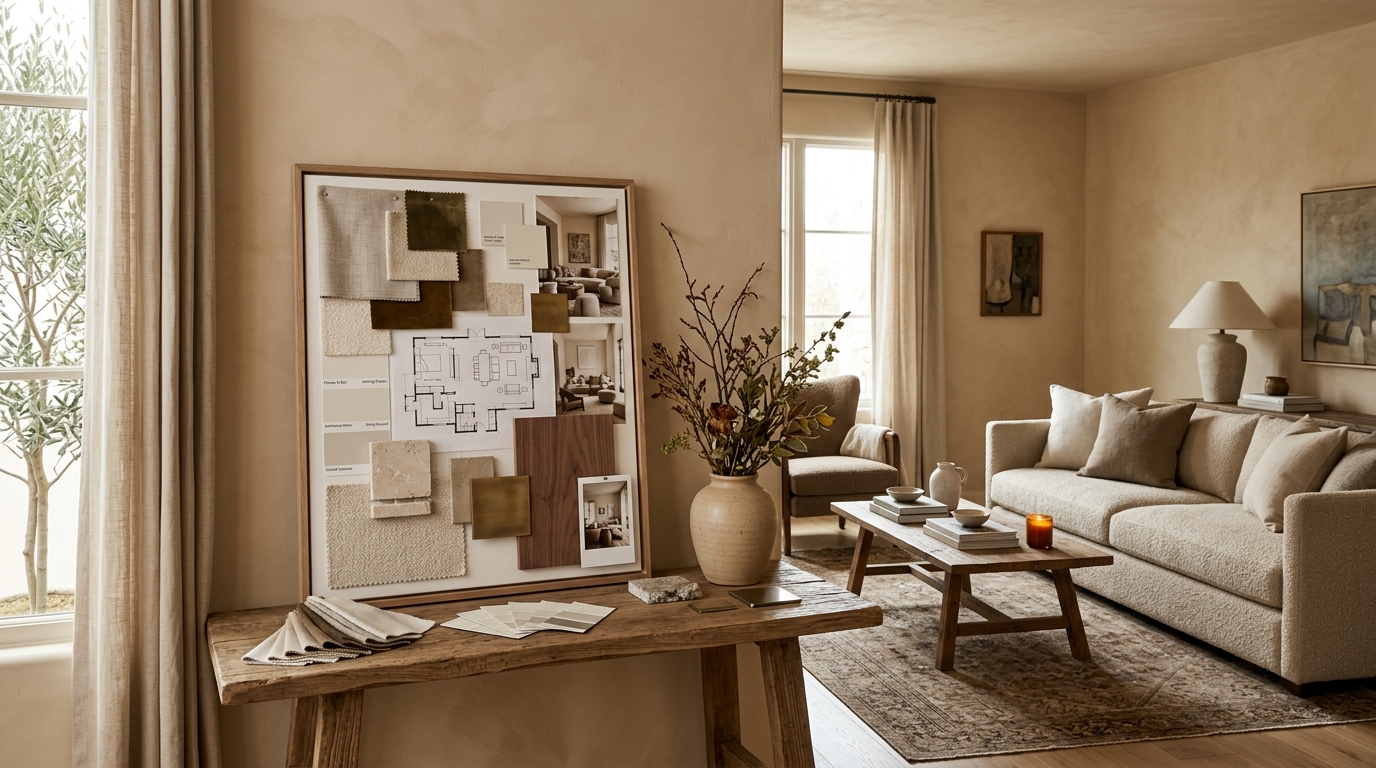
Here is where most tools leave you stranded. A pile of saved images is inspiration, not instruction. A pretty AI render is a tease if it does not tell you what to actually buy and where to put it. Vision without a plan is just a very well-decorated daydream.
This is the part Framehouse is built around. You design your room, your way, and then it hands you the full design playbook: the palette, the specific pieces, the layout, everything you need to turn the picture into the real thing. You keep total control of the vision, and you finally get the execution to match. That is what designing on your own terms actually looks like.
Design It Your Way
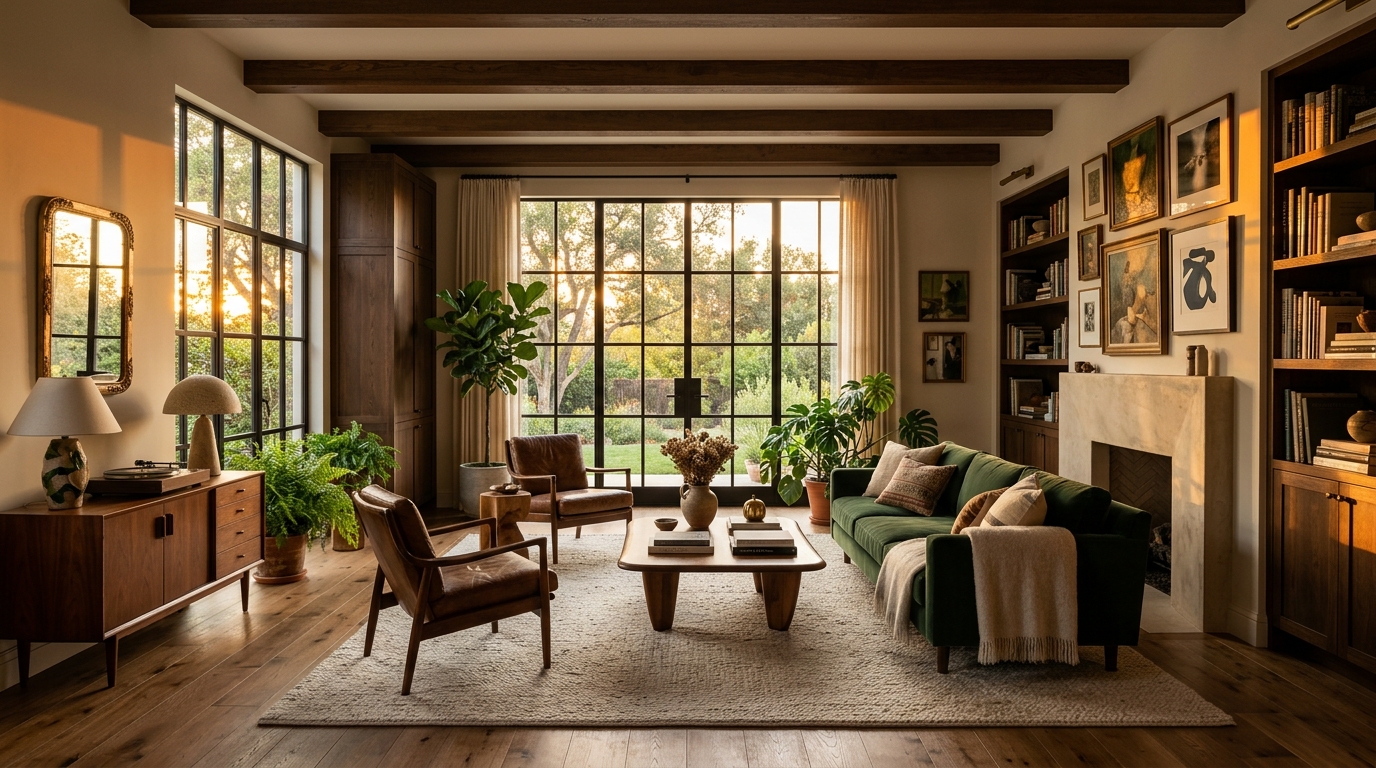
You do not need anyone's permission to make your home look exactly the way you see it. You need the vision, which you already have, and the tools to execute it fast and keep the wheel in your hands. So stop describing the room you want, and start directing it.
Design your room on your own terms with Framehouse, free to start.