Somewhere in your home there is a rug doing its very best. It is five by seven, it is floating in the middle of the floor like a stamp on a moving box, and it is quietly turning your living room into the waiting area of a regional dental practice. This is not a taste problem. It is a tape measure problem.
Rug sizing is the most asked and most botched measurement in decorating, and almost nobody is ever taught it. The good news is that there are roughly six numbers worth committing to memory. Learn them and the right rug will make a room look twice as expensive without your buying a single new piece of furniture. Room by room, here is the cheat sheet.
The One Rule Behind All the Others: Frame the Floor, Do Not Carpet It
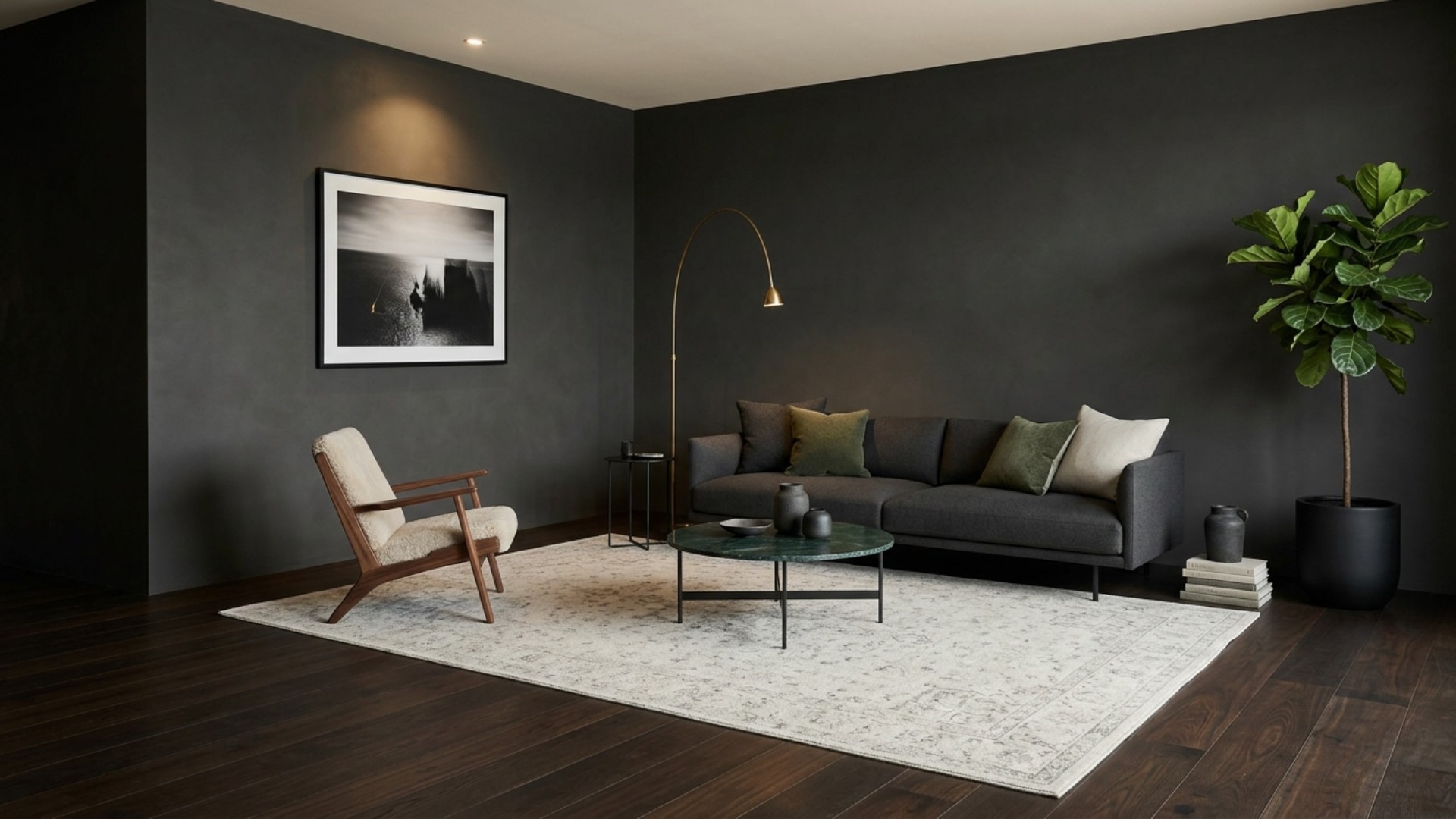
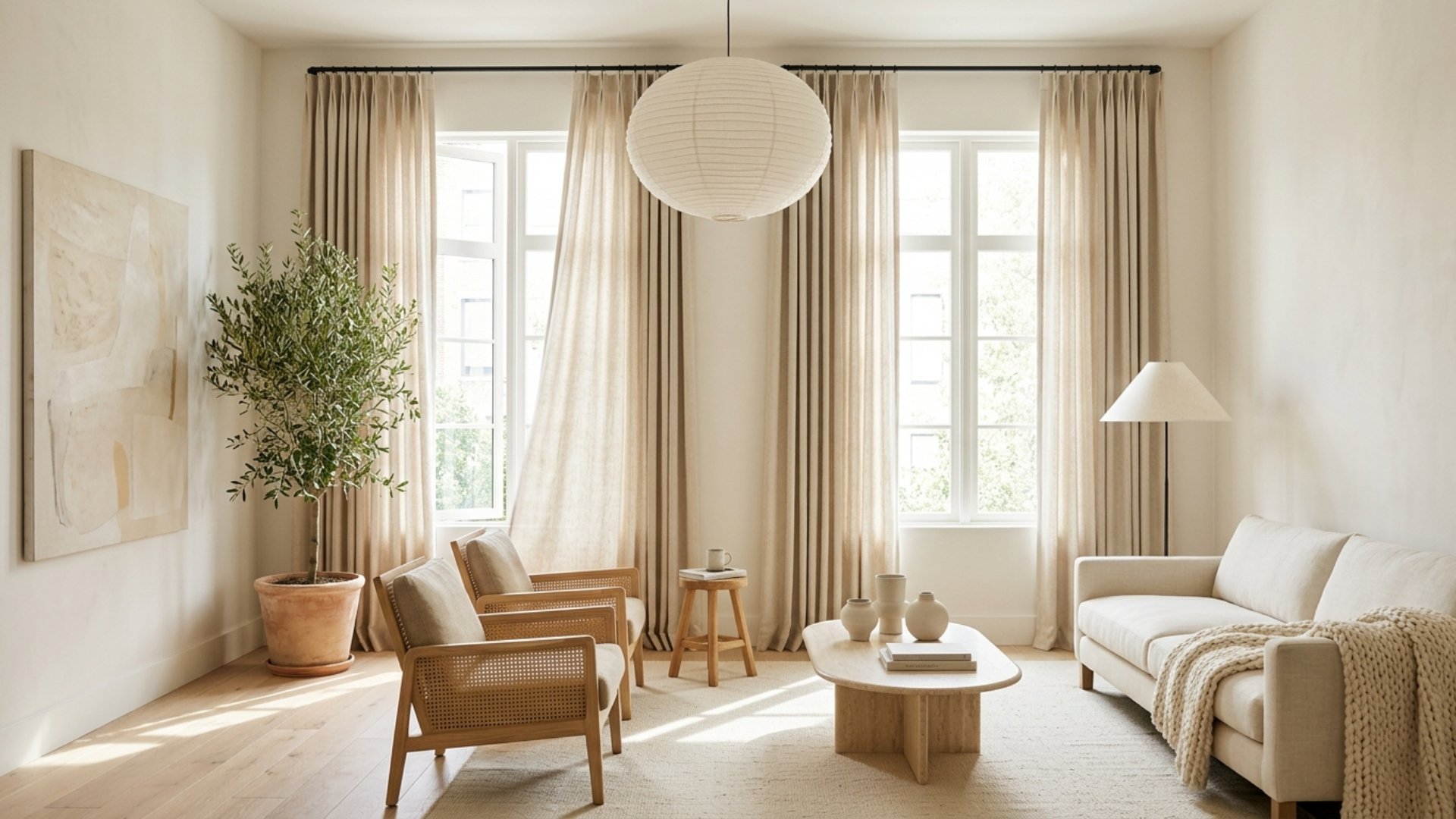
Before any specific room, there is a governing principle. A rug should read as a frame, not as wall-to-wall carpet with delusions of grandeur. Leave a visible border of bare floor on every side. Somewhere between 10 and 24 inches is the accepted range, with 18 inches the comfortable middle in an average room and 8 to 10 inches acceptable in a small one. That margin is what tells the eye where the room ends and stops the rug from looking like a failed installation.
The corollary is the rule people break constantly: when you are torn between two sizes, size up. A rug that runs slightly large reads generous and deliberate. A rug that runs slightly small reads like an accident, and no amount of styling on top will fix a proportion problem underneath. Almost every rug regret in the world is a rug bought one size down to save two hundred dollars.
The Living Room: Front Legs On, Almost Always
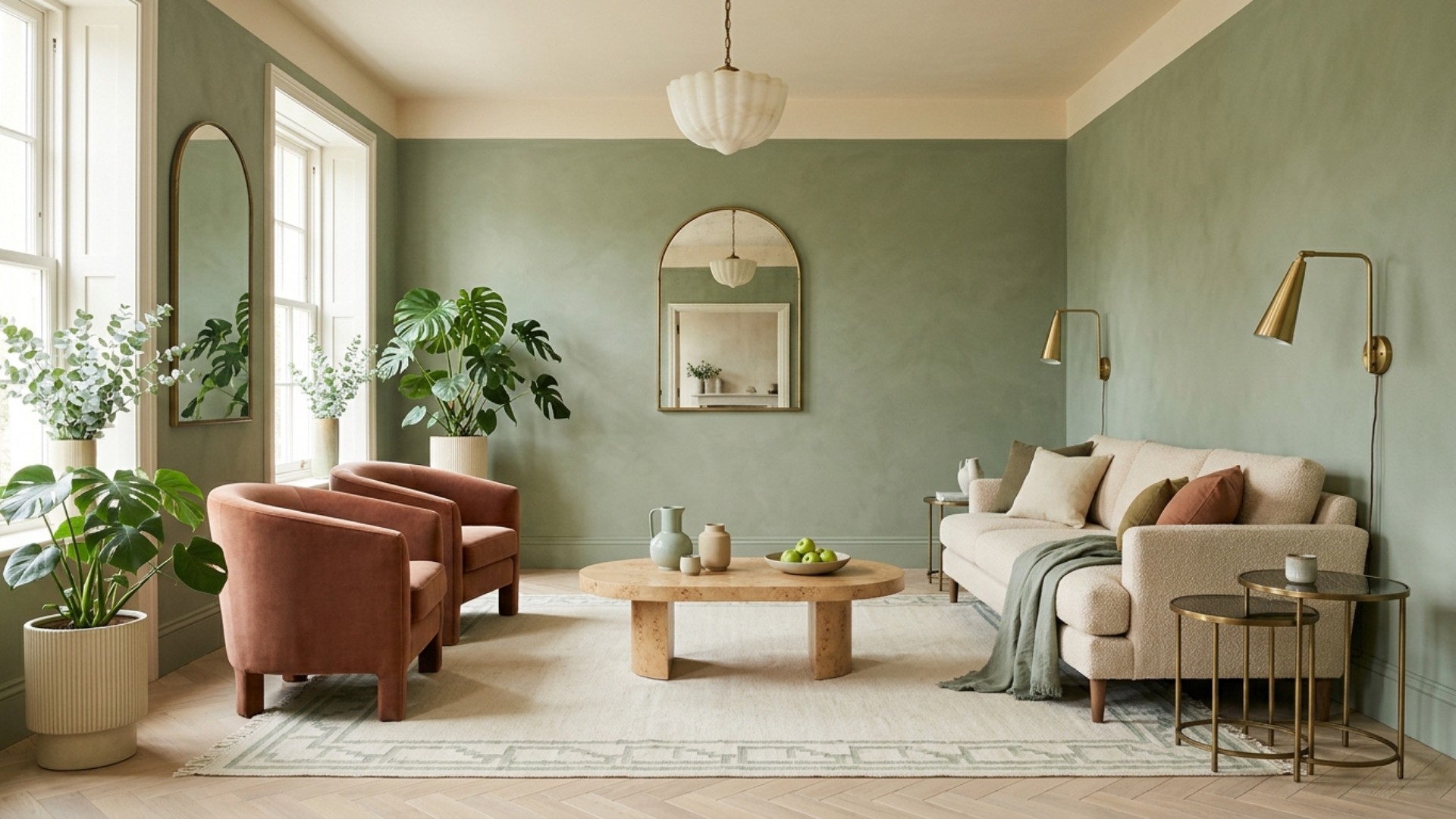
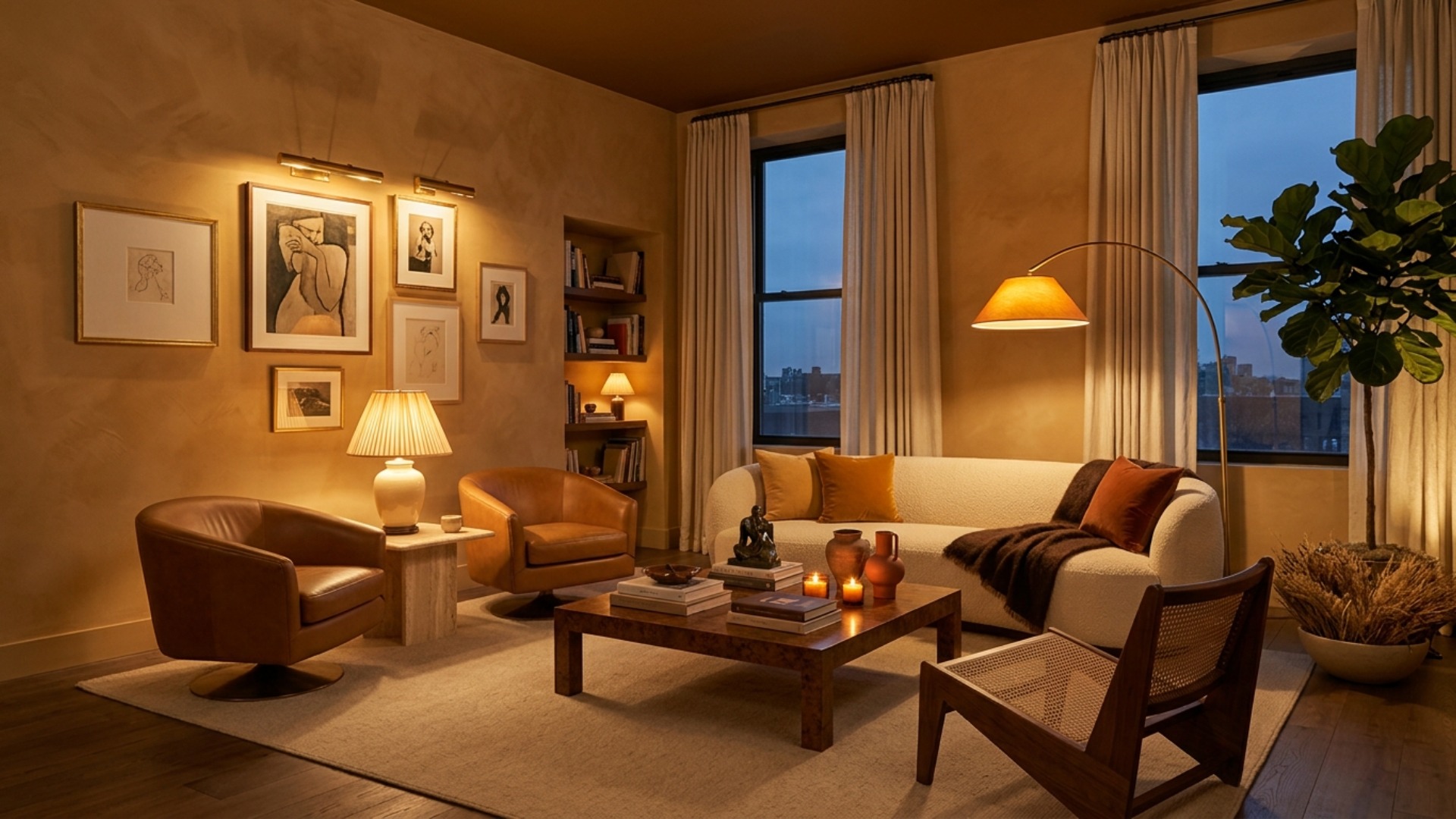
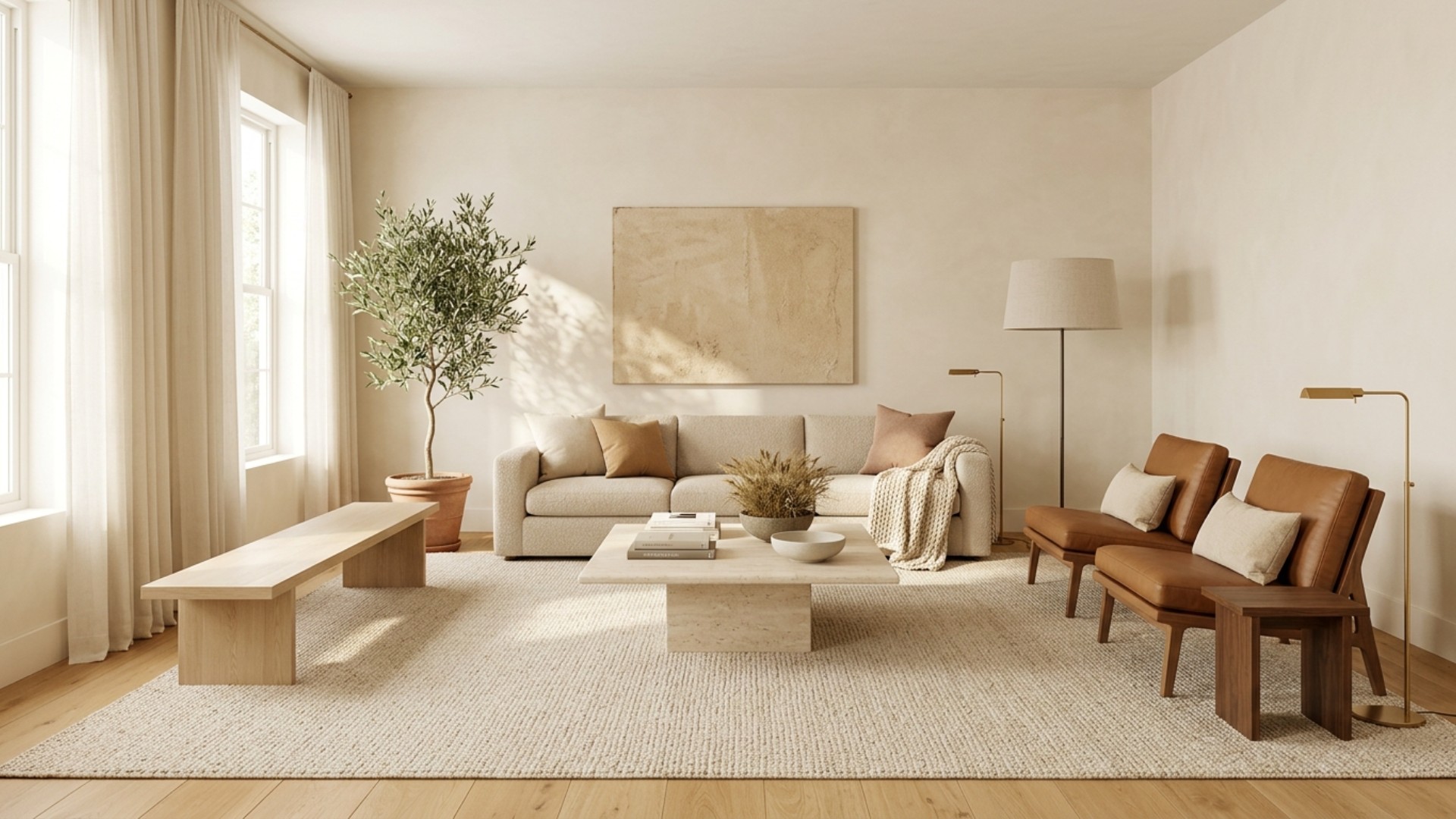
The single most useful living room rule is the front-legs-on rule. At minimum, the front legs of the sofa and of every chair in the seating group should sit on the rug, with the rug extending roughly 6 to 8 inches beyond those front legs. That contact is what stitches a floating collection of furniture into one composed conversation area instead of several pieces politely ignoring each other.
In practice that makes 8 by 10 the workhorse. It fits a standard three-seat sofa with front legs on and suits most rooms from about 12 by 18 feet upward. Move to 9 by 12 when an 8 by 10 still looks tight around the seating group, when the room runs 14 by 18 feet or larger, or when you want the more luxurious all-legs-on look with every piece sitting fully on the rug. Open-plan spaces almost always want the 9 by 12.
The 5 by 7 has exactly one legitimate job in a living room, and that is a genuinely small apartment where the seating group is a loveseat and a stool. Everywhere else, it is the postage stamp.
The Dining Room: The 24-Inch Rule Nobody Breaks Twice
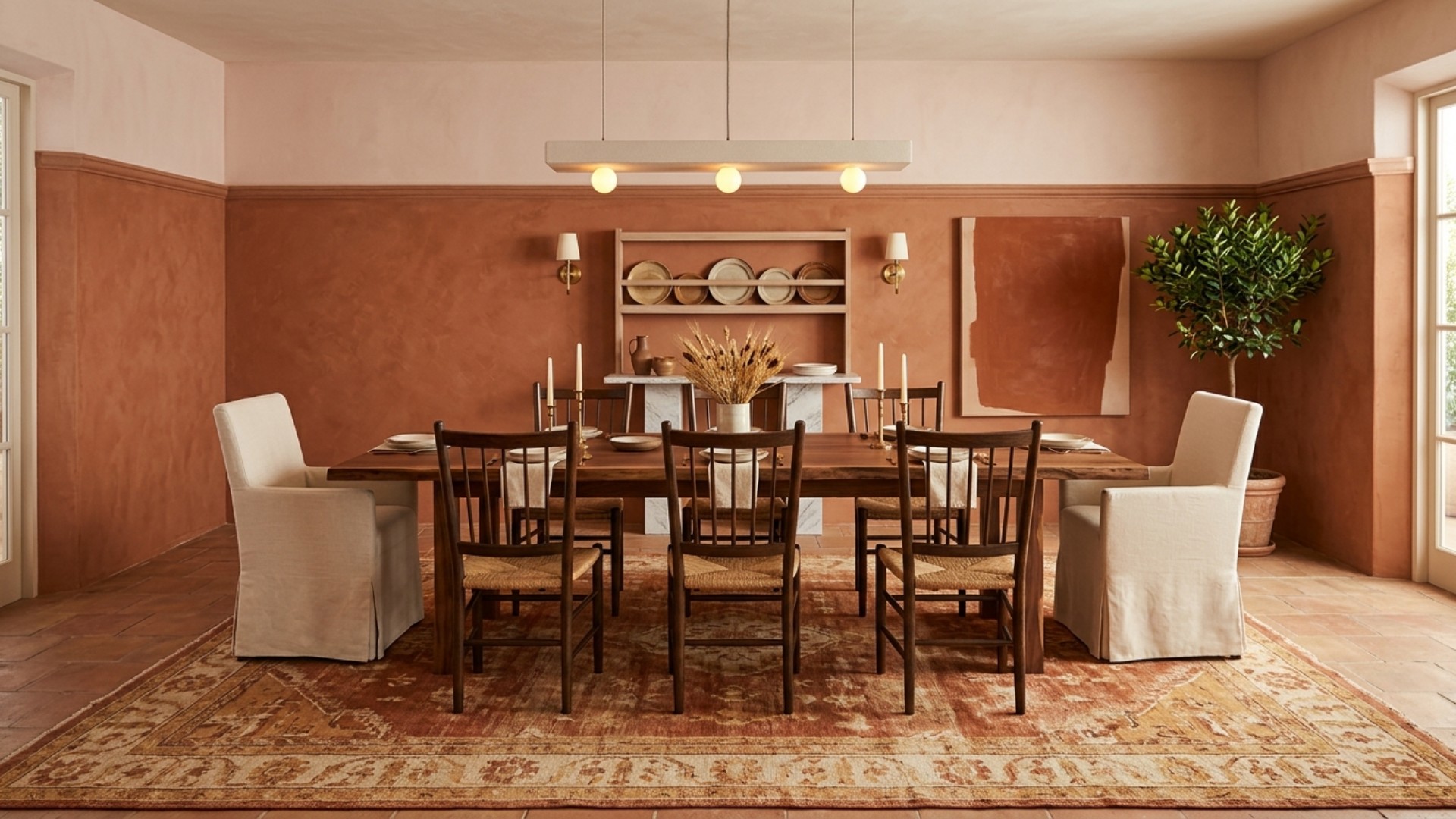
Dining rugs come with a rule that is refreshingly non-negotiable. The rug must extend at least 24 inches beyond every edge of the table. Not for looks, for chairs. A standard dining chair is 18 to 20 inches deep at the seat, and when someone pushes back to stand, the back legs travel roughly 22 to 24 inches before the chair clears the table.
Get that number wrong and every dinner ends with a back leg catching the rug edge, which tips the chair, snags the pile, and wears a bald stripe around the perimeter inside a year. If your chairs are large or deeply upholstered, or the room can spare it, push to 30 or 36 inches for real comfort.
The practical translation: a table seating six usually wants an 8 by 10. A round table is happiest on a round rug with the same 24 inches measured from the widest point, though a generous rectangle underneath works too, provided the corners are not fighting a doorway.
The Bedroom: Two-Thirds Under, Eighteen Inches Out
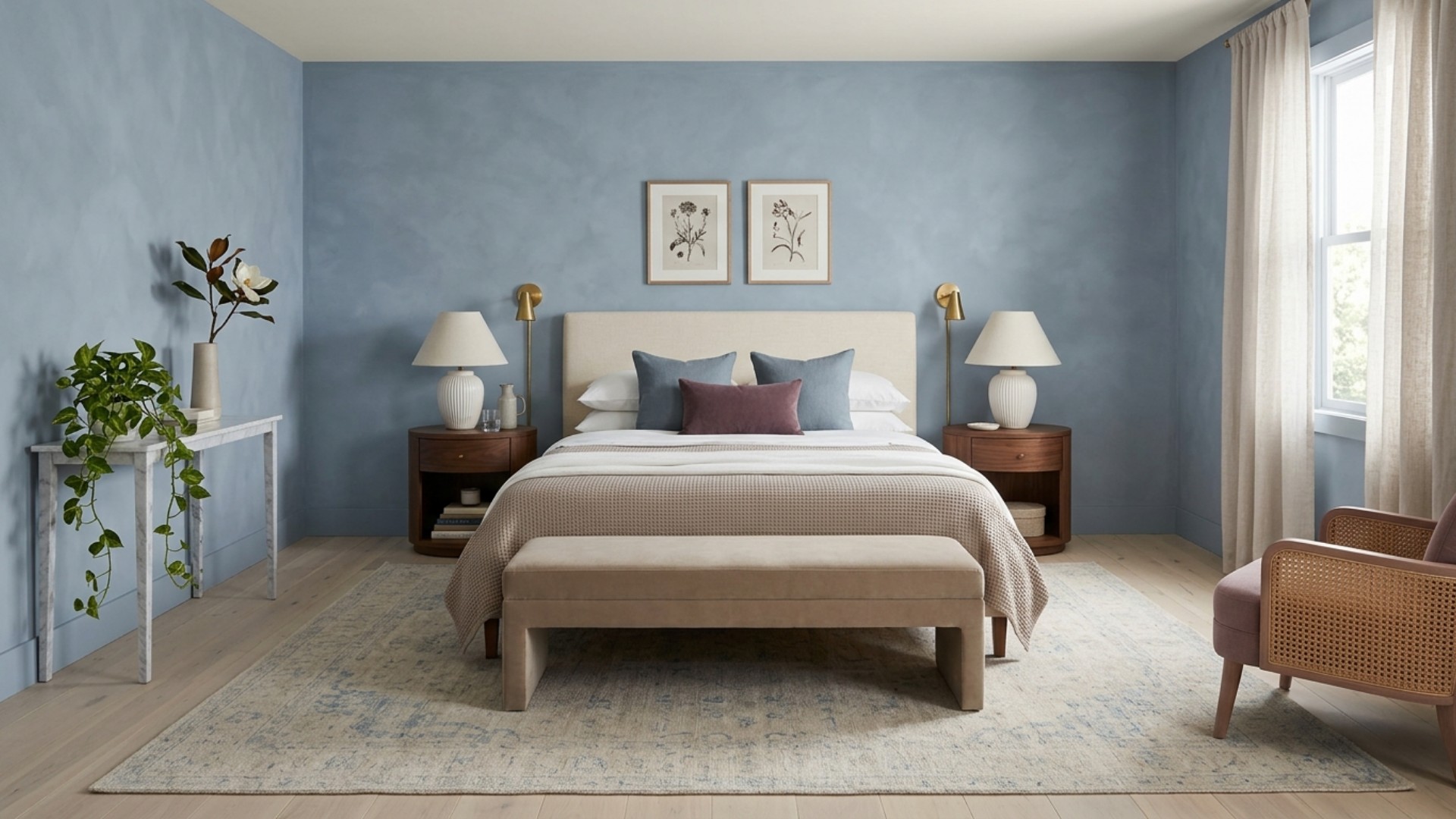
The bedroom rug has one job that outranks all the others: your feet should land on something soft. That job dictates the placement. Run the rug perpendicular to the bed and slide it under the lower two-thirds of the mattress, starting just below the nightstands, so about a third of the rug is exposed at the foot.
Then check the margins. You want 18 to 24 inches of rug visible along each side and at the foot of the bed. For a queen that almost always means an 8 by 10. For a king it means a 9 by 12, which is what lets the rug clear both nightstands and stops the bed from looking marooned on its own small island.
If a room-size rug is not in the budget, the elegant workaround is two runners flanking the bed, or a single runner across the foot. It reads as a considered choice rather than a compromise, and it costs a fraction of the alternative.
Halls, Entries, and Kitchens: The Skinny Rules
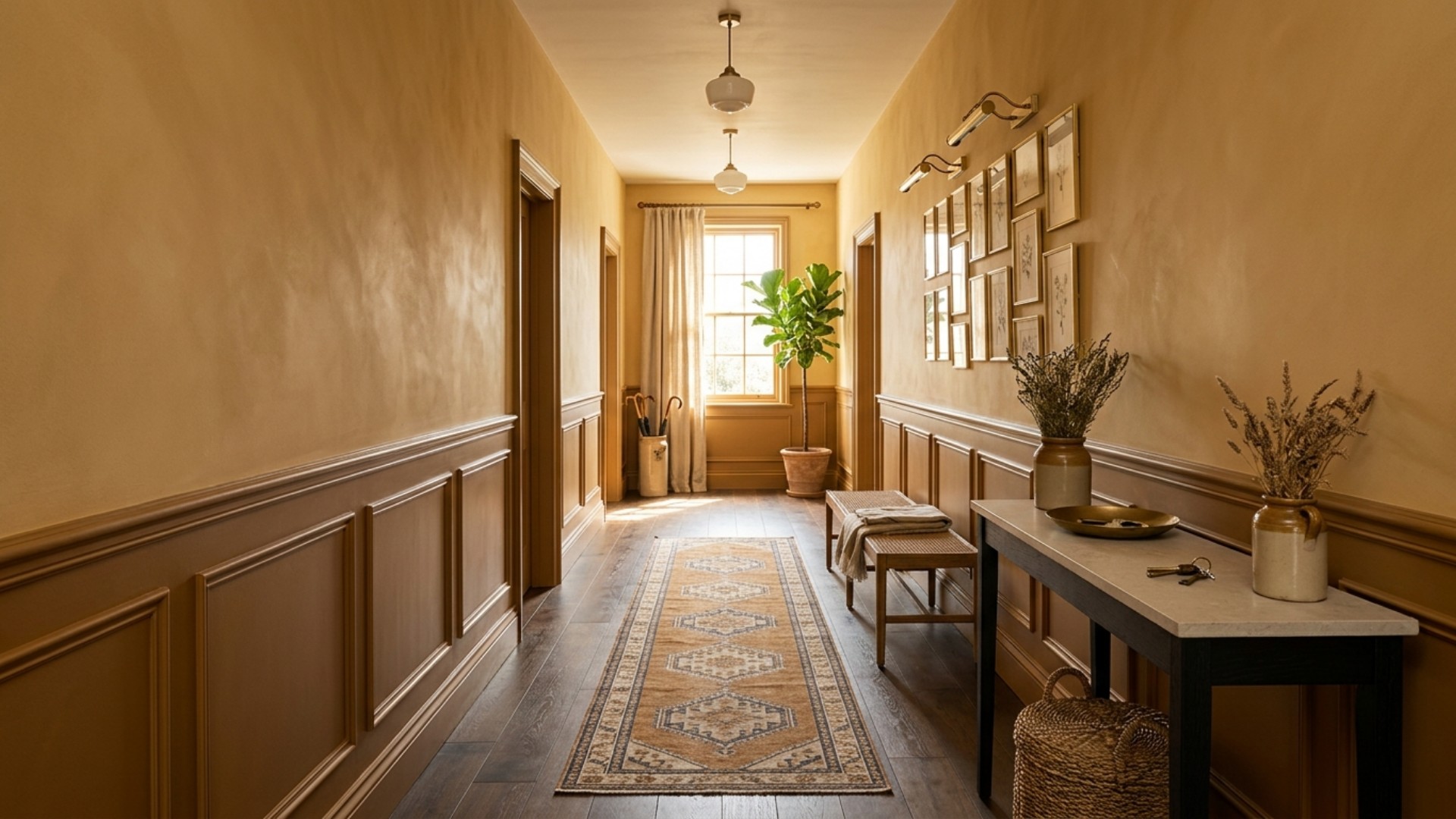
Runners follow the same frame-the-floor logic in miniature. Aim to leave 4 to 6 inches of visible flooring on each side of the runner, and never less than 3. Most hallway runners land between 2 feet 2 inches and 3 feet wide, so a 42-inch hallway wants something in the 32 to 34 inch range.
Length matters just as much. The runner should be at least a foot shorter than the hallway so it can be centered, leaving roughly 6 to 12 inches of bare floor at each end. A runner that stretches wall to wall stops being a rug and starts being badly installed carpet.
In a galley kitchen the same width rule applies, with one addition: choose a low pile that a cabinet door can clear, and put a proper pad underneath. A kitchen runner that slides is a genuine hazard, not a styling quirk.
Layering, Washables, and the Trend Actually Worth Following
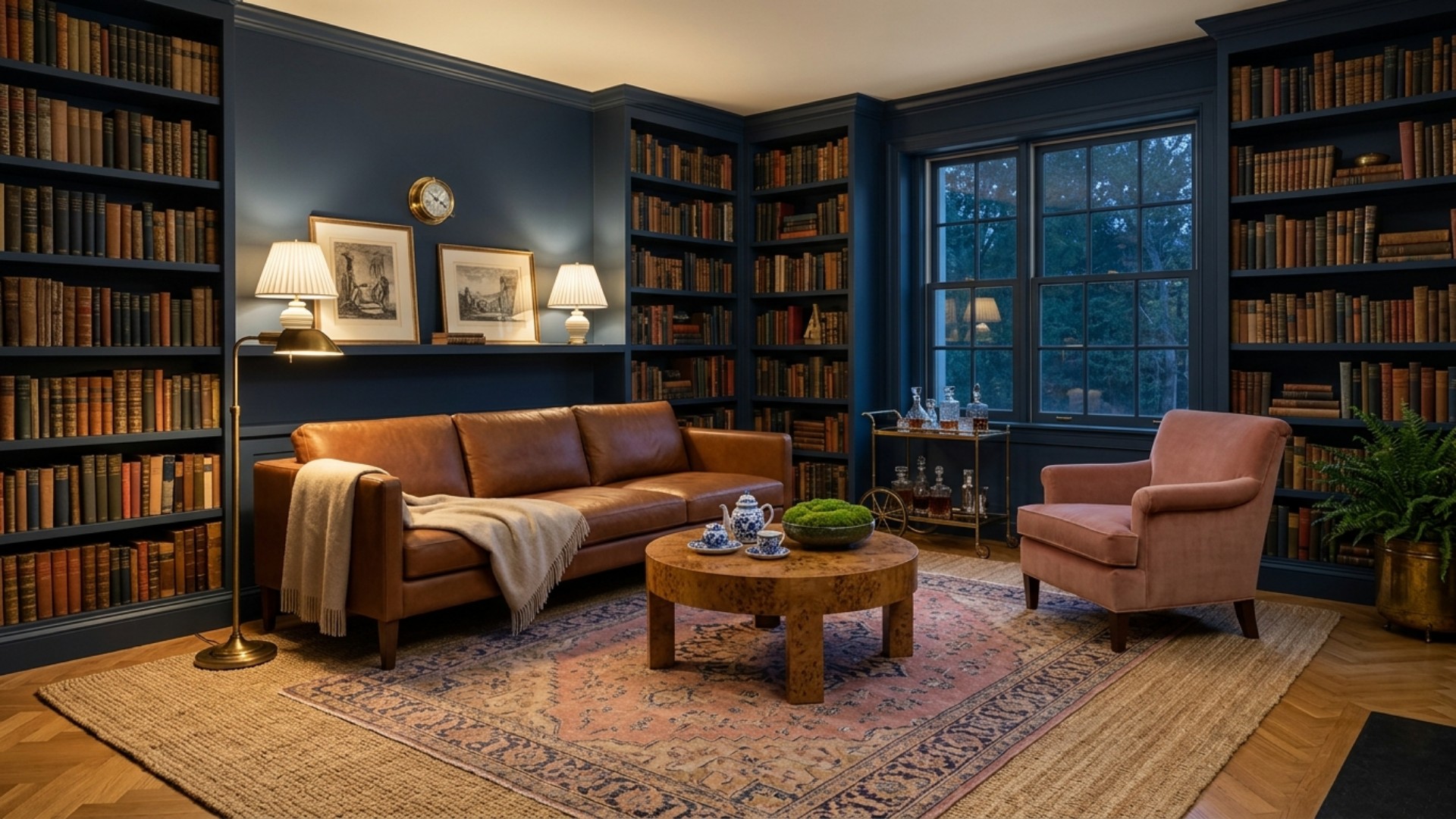
Layering is the shortcut for when the rug you love only comes in a size that is too small. Start with a large, flat, inexpensive base in jute or sisal, sized to the room by the rules above, then center your prettier rug on top with 12 to 18 inches of the base showing all the way around. Texture underneath, personality on top. It is also one of the easiest ways to warm a hard floor in a rental.
The other thing worth knowing before you buy is that the washable category has genuinely grown up. Rugs.com, drawing on a catalog of more than 100,000 designs, named machine-washable rugs the fastest-growing category in its 2026 shopping trends report, driven by families, pet owners, and renters. Analysts put the global washable rug market at roughly $4.8 billion in 2025, projected to grow at about 7.5 percent a year through 2034. Five years ago washable meant compromise. It no longer does, and the same report has warm terracotta, sage, ochre, clay, and cream firmly displacing a decade of gray.
Still, size comes first, and size is the hardest thing to picture from a product page. That is where it helps to see the room before you commit. Upload a photo to Framehouse, watch your space reimagined in minutes, then get the full design playbook with the pieces, the palette, and the proportions worked out for you. Every other app shows you a prettier picture. Framehouse hands you the plan.