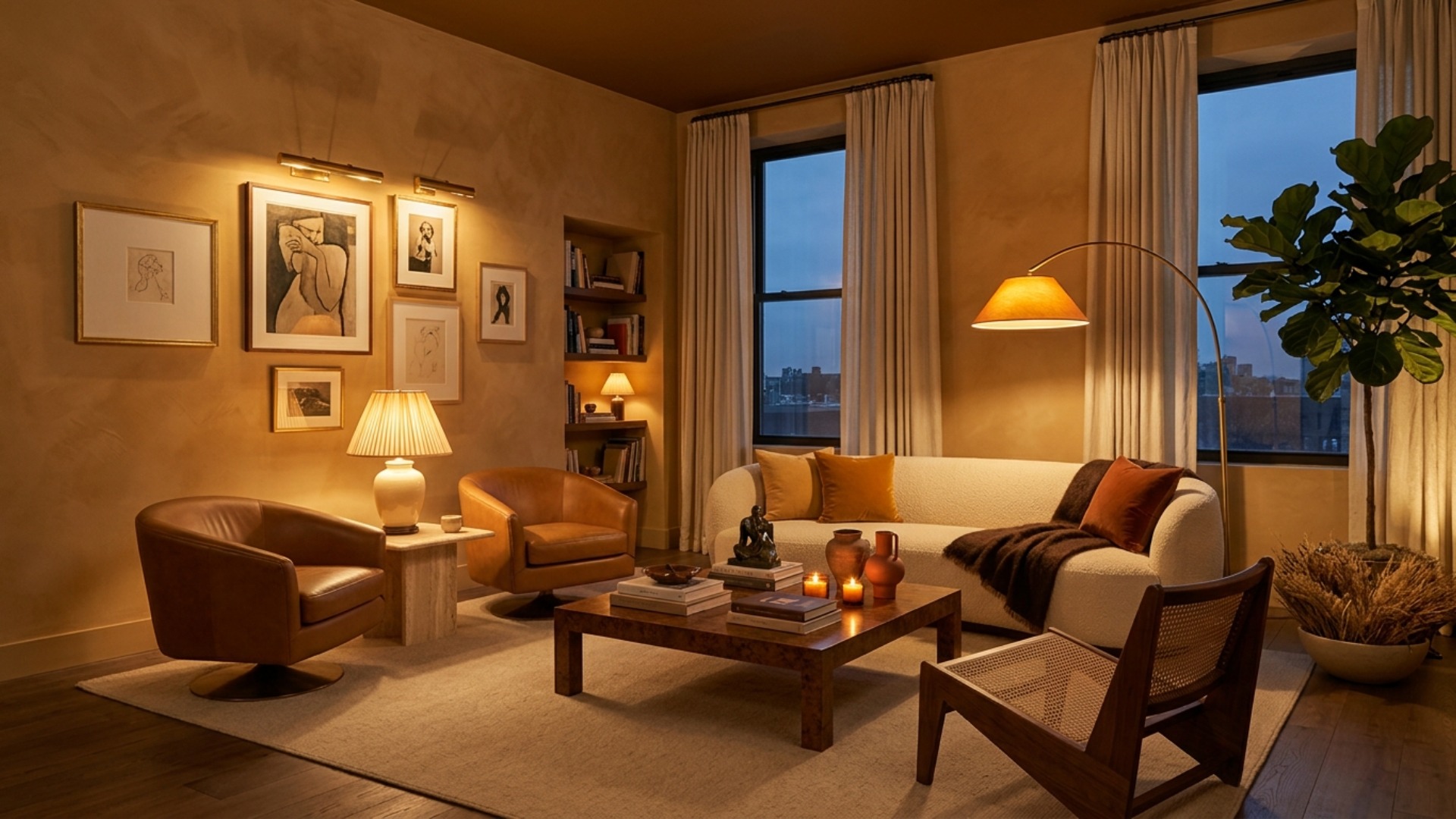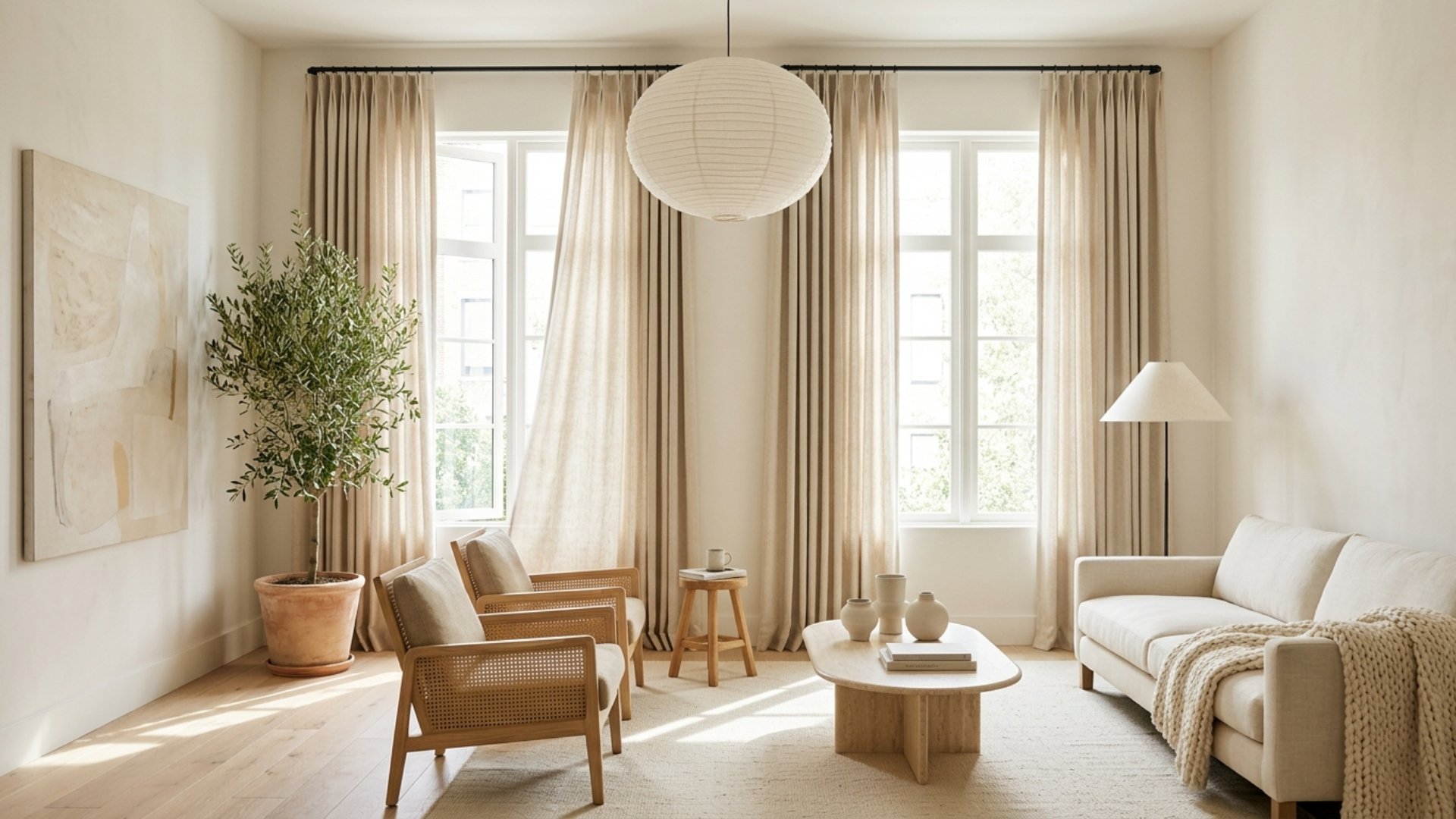
You can tell almost everything about a room from its curtains. Not the fabric, not the color, not the price. The height of the rod. Hung six inches above the window frame and stopping shyly at the sill, curtains announce that nobody in this house has thought about it. Hung near the ceiling and falling to the floor, the same panels, in the same fabric, make the room look like it was designed.
This is the rare upgrade that costs nothing. The curtains you already own, moved twelve inches up the wall and eight inches out to each side, will do more for the room than a new sofa. What follows is the whole system: how high, how wide, how long, how full, and how to do all of it in a rental without touching a drill.
1. Hang High and Wide: The Rule That Does the Heavy Lifting
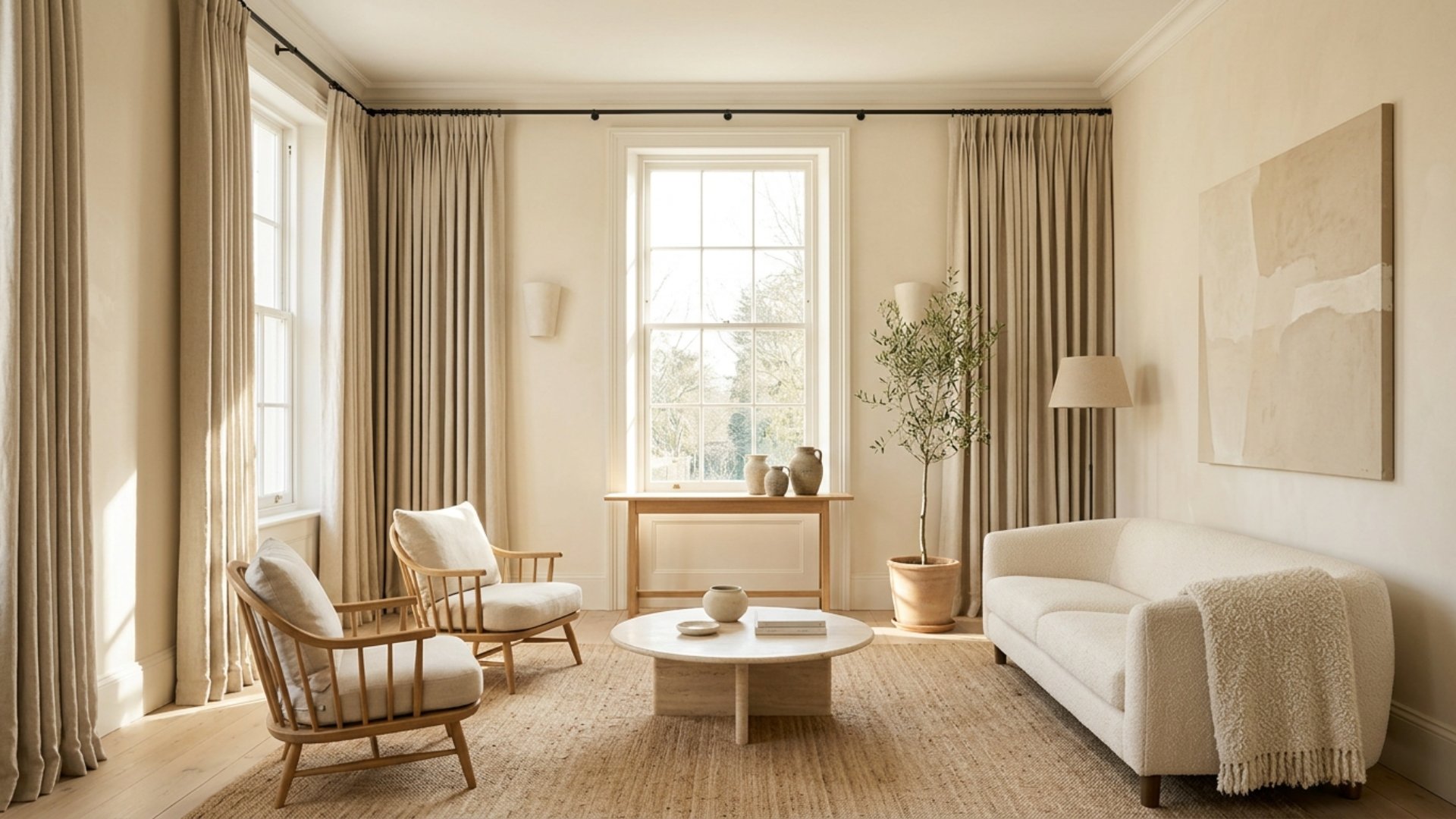
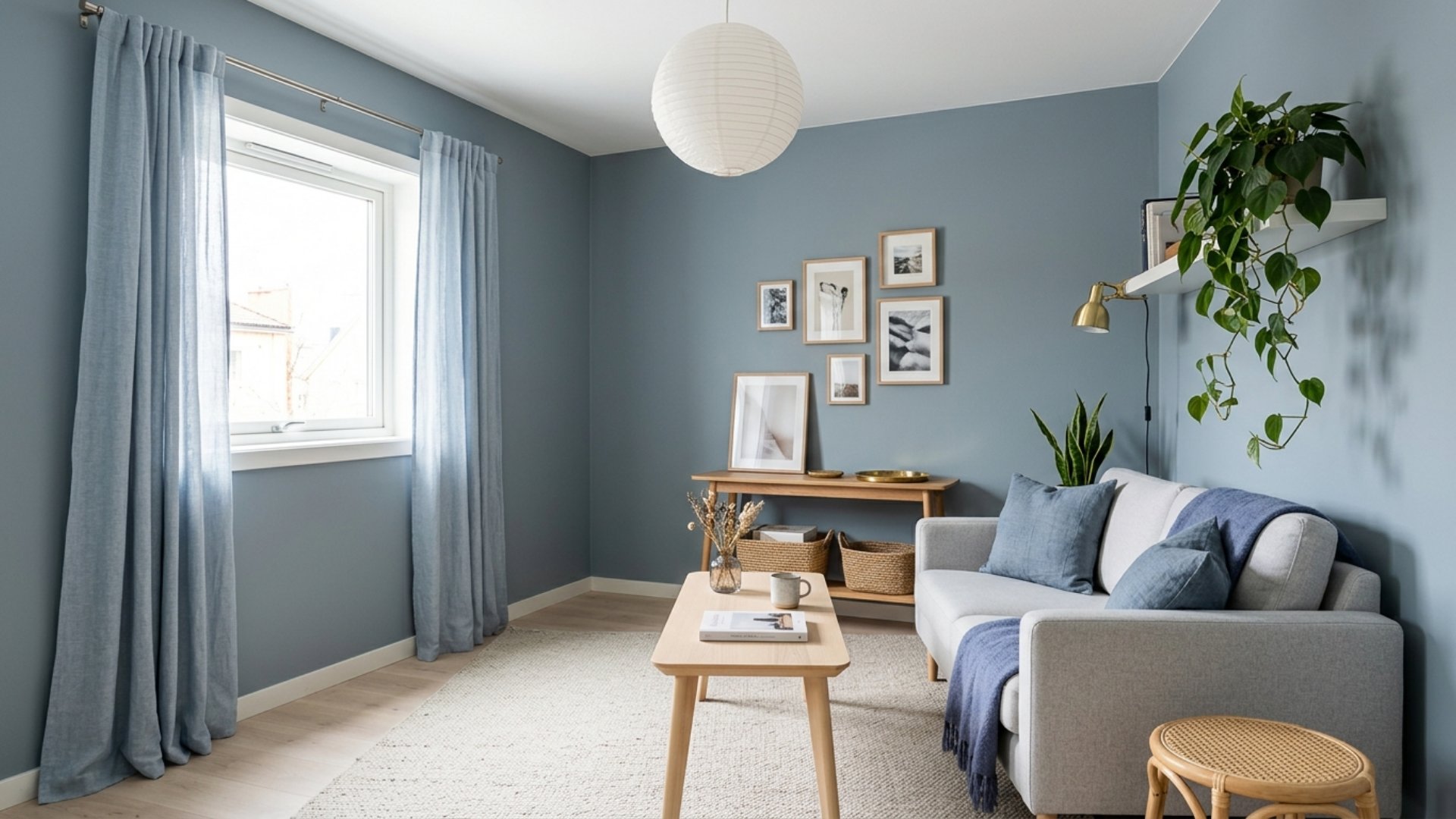
If you take one thing from this piece, take this. Curtain rods belong closer to the ceiling than to the window. The eye follows the vertical line of the fabric all the way to the top, reads that as the height of the room, and quietly concludes the ceilings are taller than they are. It is the cheapest optical illusion in decorating and it works every single time.
The working numbers: mount the rod at least four to six inches above the window trim in a room with average proportions, and go higher, up to a few inches below the ceiling, wherever the wall allows. If the gap between your trim and the ceiling is under twelve inches, skip the halfway measure and take the rod right up to the ceiling line. Halfway is the one placement that looks like an accident.
Then go wide. Extend the rod four to ten inches past the frame on each side so the open panels stack against wall, not glass. The window looks bigger, the room gets more daylight, and the drapes finally look like they are framing something. One guardrail: keep the total rod length within about a third more than the window width, so a 48-inch window wants a rod of roughly 64 inches, not 84. Wide is the goal. Cartoonish is not.
2. The Three Acceptable Lengths (and the One That Is Not)
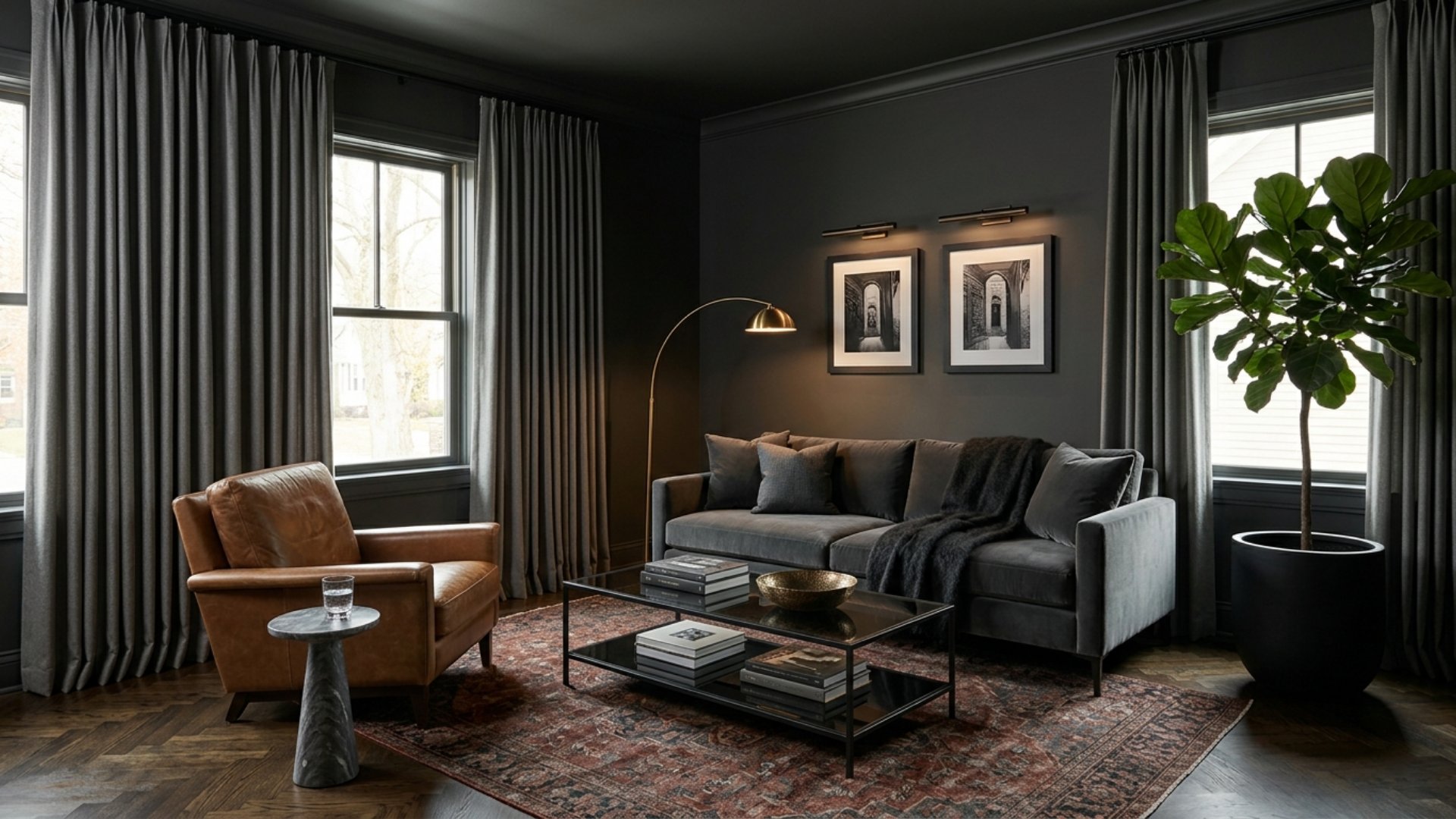
Curtains have exactly three correct relationships with the floor, and every one of them is a decision rather than a default.
The float. The hem stops about half an inch above the floor, close enough to read as touching from across the room. The crispest of the three and the most practical: nothing to trip on, nothing to vacuum around. If the room is busy, has pets, or has a door swinging near the panel, float it.
The kiss. The hem just grazes the floor, no gap and no slump. It is the most tailored look and the least forgiving, because it depends on a level floor and an accurate measurement, so measure at three points across the window and cut to the shortest.
The puddle. An extra four to six inches of fabric pools at the base, which reads romantic, a little theatrical, and very much on trend for 2026. It suits linen and velvet, a bedroom or a dining room, and rooms nobody has to vacuum daily.
The fourth option, the one in most homes, is the high-water hem that stops at the sill for no reason. It is the curtain equivalent of trousers that end at the ankle by accident. Standard panels come in 84, 96, and 108 inches, so hang high enough that you need the 96, and if the numbers land awkwardly, hem or add a contrasting band at the bottom rather than dropping the rod.
3. Fullness: Why Your Panels Look Like Flags
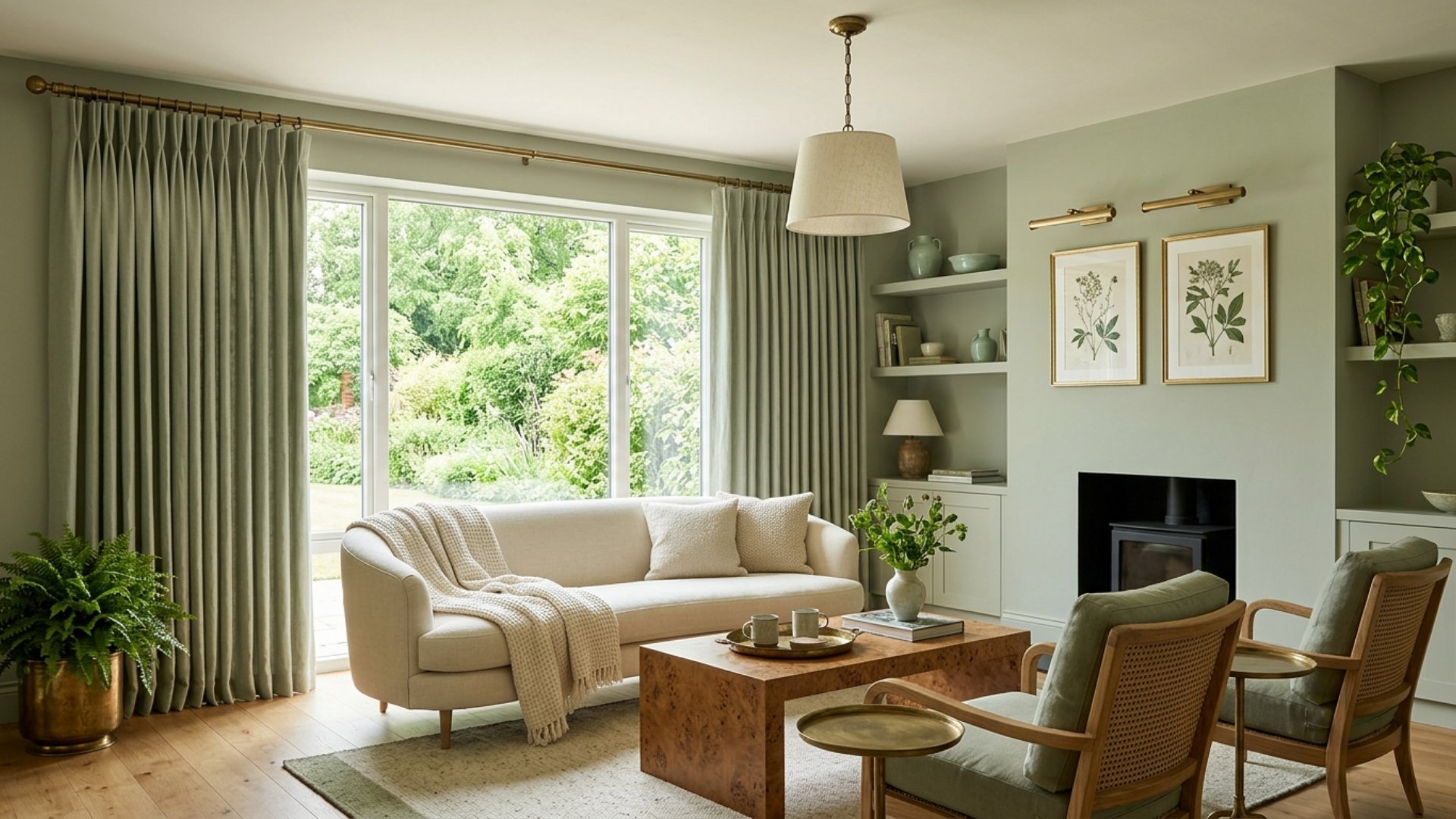
Here is the mistake nobody diagnoses correctly. The panels look thin, and the assumption is that the fabric is cheap. Usually the fabric is fine. There simply is not enough of it.
Curtains need to be wider than the window they cover, and the industry standard is two times the window width across the pair. The bare minimum is 1.5x, which is the point at which panels stop looking flat, and 2.5x to 3x gives you the deep, luxurious folds you see in magazines. So a 60-inch window wants around 120 inches of panel total, which is two 60-inch-wide panels, not two 30-inch ones. Most people buy exactly enough fabric to cover the glass and wonder why it looks stingy.
Fullness also shifts with the header. Pinch pleats and box pleats want 2x to 2.5x or the pleats collapse. Rod pockets and grommets are happy at 1.5x to 2x and get bunchy above it. And whatever the header, dress the folds: run your hands down the panel, set even accordion folds, and tie them loosely with a ribbon overnight. Curtains have a memory, and it is worth training.
4. Sheer, Blackout, or Both: The Layering Question
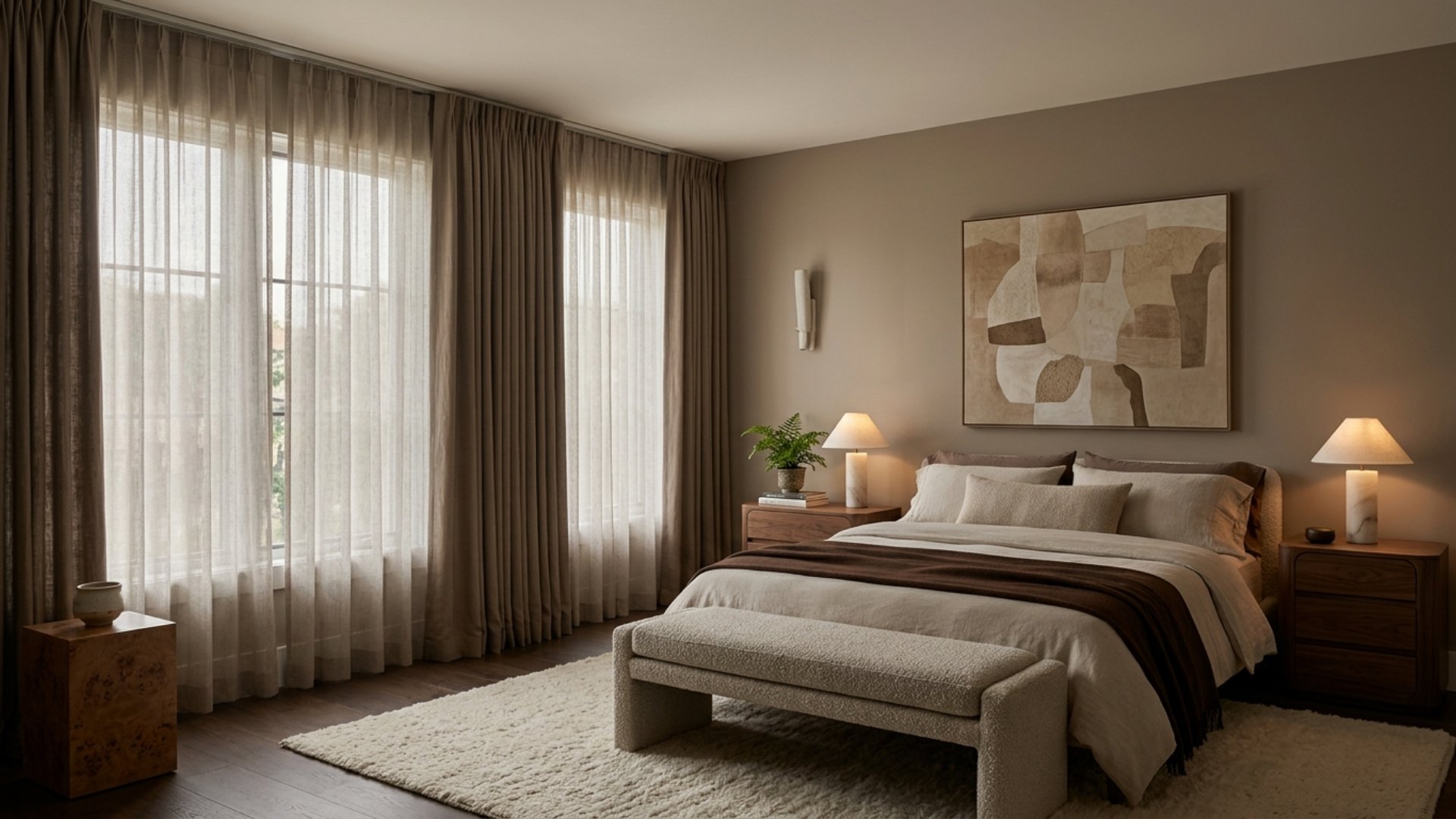
Layering is the defining window trend of 2026, and for once the trend is also the correct answer. One sheer inner layer plus one heavier outer drape gives you two rooms in one window: daylight without glare by day, privacy and darkness by night. Dual-track systems that were specialty items three years ago now ship as standard configurations, which tells you how firmly this has landed.
The most elegant version going around this year is tone on tone, a textured sheer layered under a heavier drape in the same color family. A stone sheer under a mocha linen. A pale grey behind charcoal velvet. Depth without pattern, which is exactly what a busy room needs.
Blackout earns its keep in bedrooms and on west-facing windows, and it does real thermal work too, since windows account for a meaningful share of a home's heat loss and a well-fitted lined panel measurably slows it. The word doing the work there is fitted. Hung narrow, short, and tight to the wall, a blackout curtain leaks light around all four edges and insulates almost nothing. Hang it high, wide, and to the floor and it performs. Hang it like an afterthought and it is a dark rectangle with a halo.
5. Hardware: The Part Everyone Under-Buys
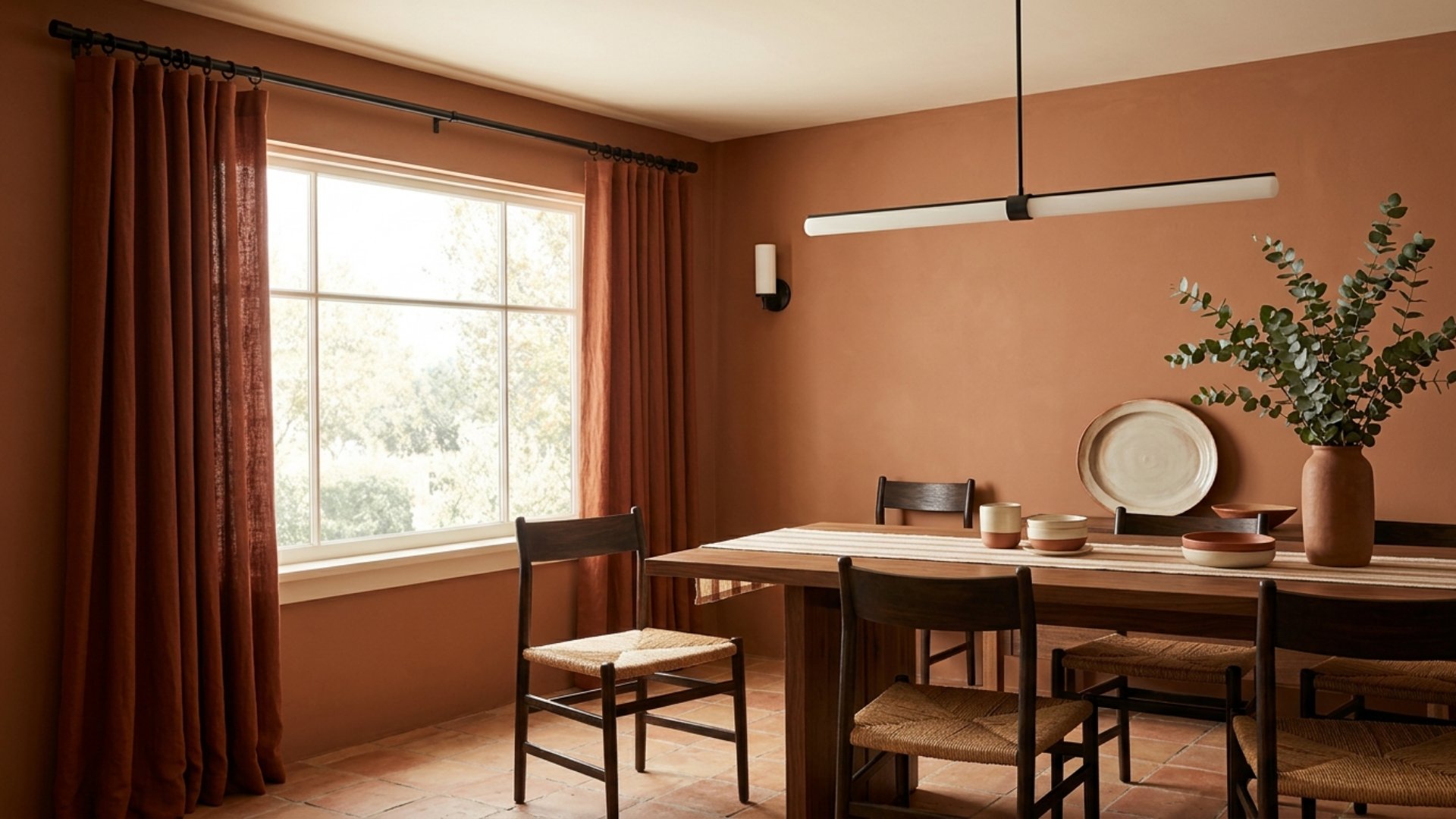
A rod is structural, not decorative, and thin brass-toned tubes bought to save fifteen dollars are the reason so many curtains sag in the middle like a washing line. Choose a diameter of at least three quarters of an inch to an inch for anything full-length, and add a center support bracket on any span over about sixty inches. A rod that bows is more noticeable than any fabric you could hang from it.
Finials should be modest. The eye should register the fabric and the height, not a decorative pineapple. Match the metal to the room's other hardware rather than to the curtains: black in a room of black window frames, brass in a room with brass lighting. And for anything you open daily, rings with clips beat a rod pocket comfortably. They glide, they let you adjust the hang by half an inch without hemming, and they make a cheap panel look bespoke. A two-dollar upgrade that reads as fifty.
6. The Renter's Version: No Drill, No Damage, No Excuses
Every rule above still applies if your lease forbids holes. It just requires different hardware.
Adhesive rod brackets are the strongest option, with peel-and-stick holders rated to around twenty pounds a pair and enough projection to mount above the frame, which means renters can finally hang high and wide rather than settling for a tension rod inside the recess. Command-style curtain rod hooks are the lighter-duty cousin, holding roughly ten pounds, so they suit sheers and light cottons on a slim rod but will not carry lined blackout velvet. Tension rods still have a place, particularly in bathrooms, laundries, and any recessed window where an inside mount looks intentional anyway.
Two habits make adhesive mounts last. Clean the wall with rubbing alcohol first, not a damp cloth, and let the adhesive cure for the full time on the packet, usually an hour, before loading any weight on it. Then go lighter on fabric than you would with drilled brackets. A cotton-linen blend hangs beautifully at half the weight of a lined velvet, and 2026's whole mood is toward exactly that kind of soft, unfussy panel anyway.
The Twelve Inches That Change Everything

Go and look at your curtains now. If the rod sits an inch or two above the frame, take it up. If the panels barely span the glass, add width. If the hem stops shy of the floor, get it down there. None of this requires new fabric, a designer, or a budget, and all of it is visible from the doorway.
Then, once the windows are behaving, the rest of the room usually needs a plan rather than a purchase. That is the part most people get stuck on, and it is the part Framehouse handles. Upload a photo of the room, see it reimagined in minutes, and get a complete design playbook with the palette, the pieces, and the layout to make it real. No appointment, no showroom, no mild existential crisis.