Every room has a moment where it just feels off. The sofa is fine, the art is nice, the paint was expensive, and yet you cannot quite get comfortable in your own living room. Nine times out of ten, the culprit is not the furniture. It is the arrangement.
Here is the good news: layout mistakes are the easiest design problem to fix, because the solution is free. No new couch, no contractor, just a better plan and twenty minutes of pushing things around. The pieces you own are usually right. Where you put them is where the magic, or the mild daily irritation, actually happens. Here are the seven arrangement sins designers see most, and exactly how to undo each one.
1. Shoving Everything Against the Walls
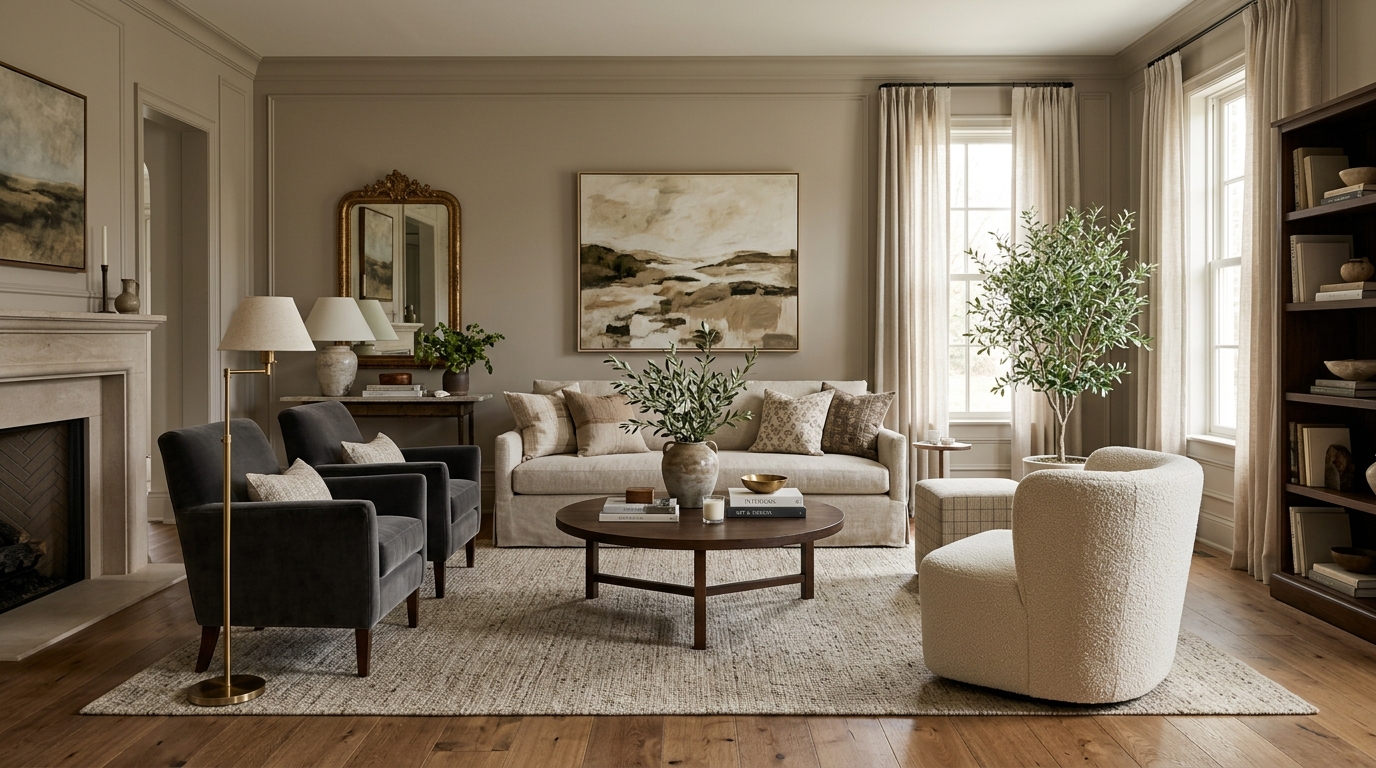
It feels logical. Push the sofa flat to the wall, line the chairs up like soldiers, and you have opened a big empty rectangle in the middle. The trouble is that a big empty rectangle is precisely what makes a room feel like a waiting area. Space around the edges reads as leftover, not luxurious, and conversation across a ten-foot gap never quite happens.
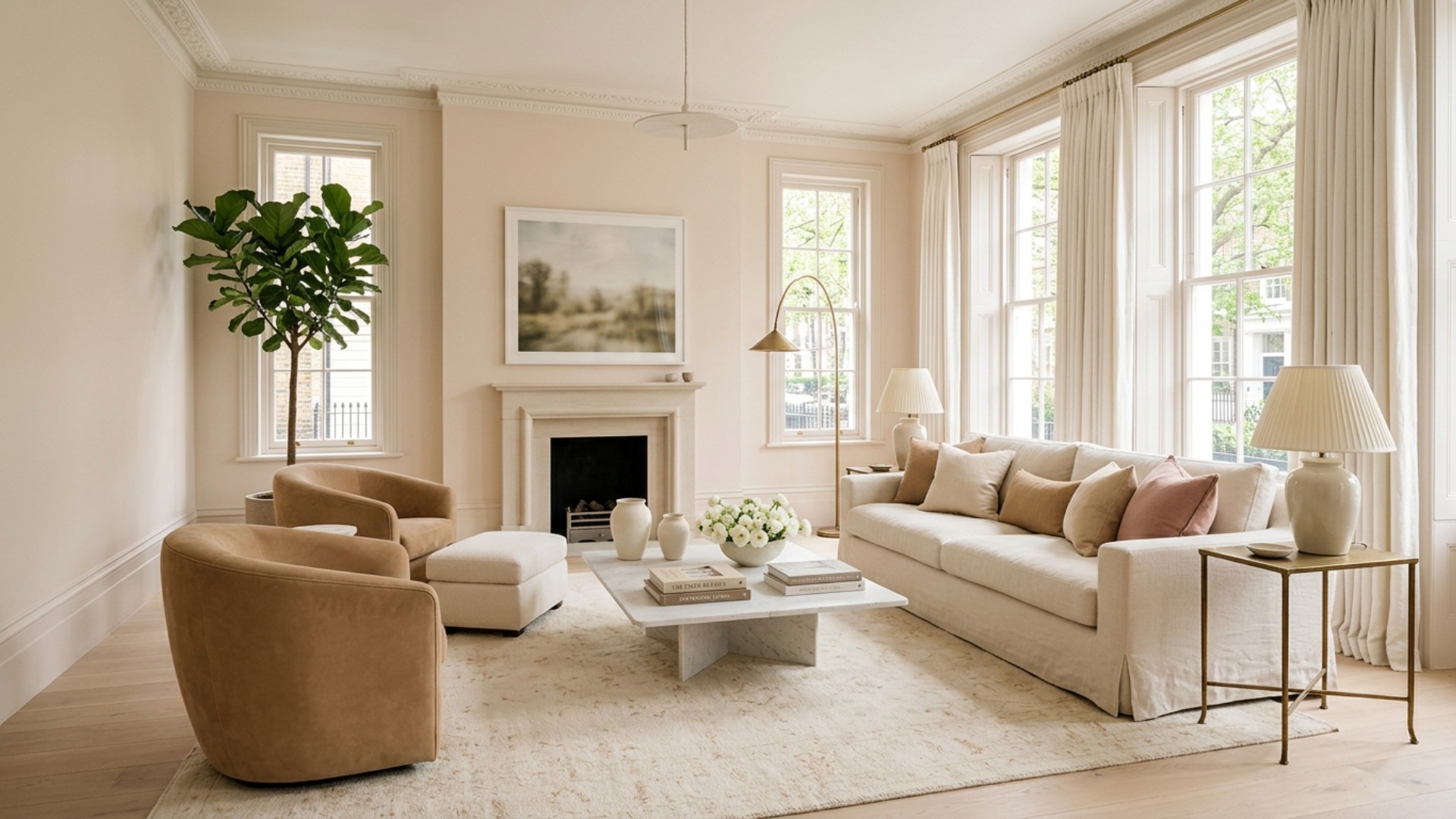
The fix: float your furniture. Pull the sofa a few inches off the wall and angle a pair of chairs to face it, so the seating forms a cozy island rather than a lonely perimeter. Even in a small room, four to six inches of breathing space behind the sofa tricks the eye into reading depth and intention.
2. The Postage-Stamp Rug
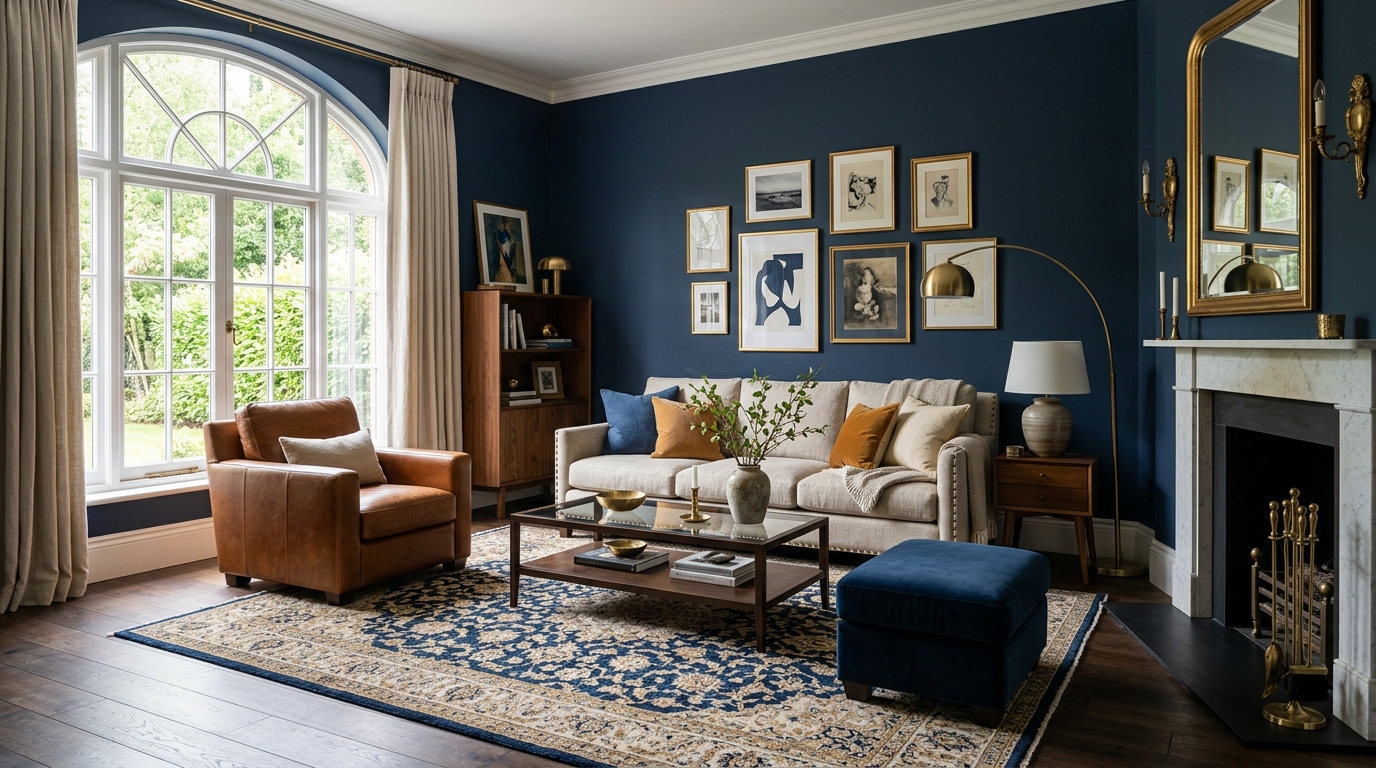
A rug that is too small is the fastest way to make a whole room look cheap, and it is the single most common mistake designers report. A grand sofa marooned beside a tiny mat looks like a yacht docked next to a bath towel. The proportions fight each other, and the room never settles.
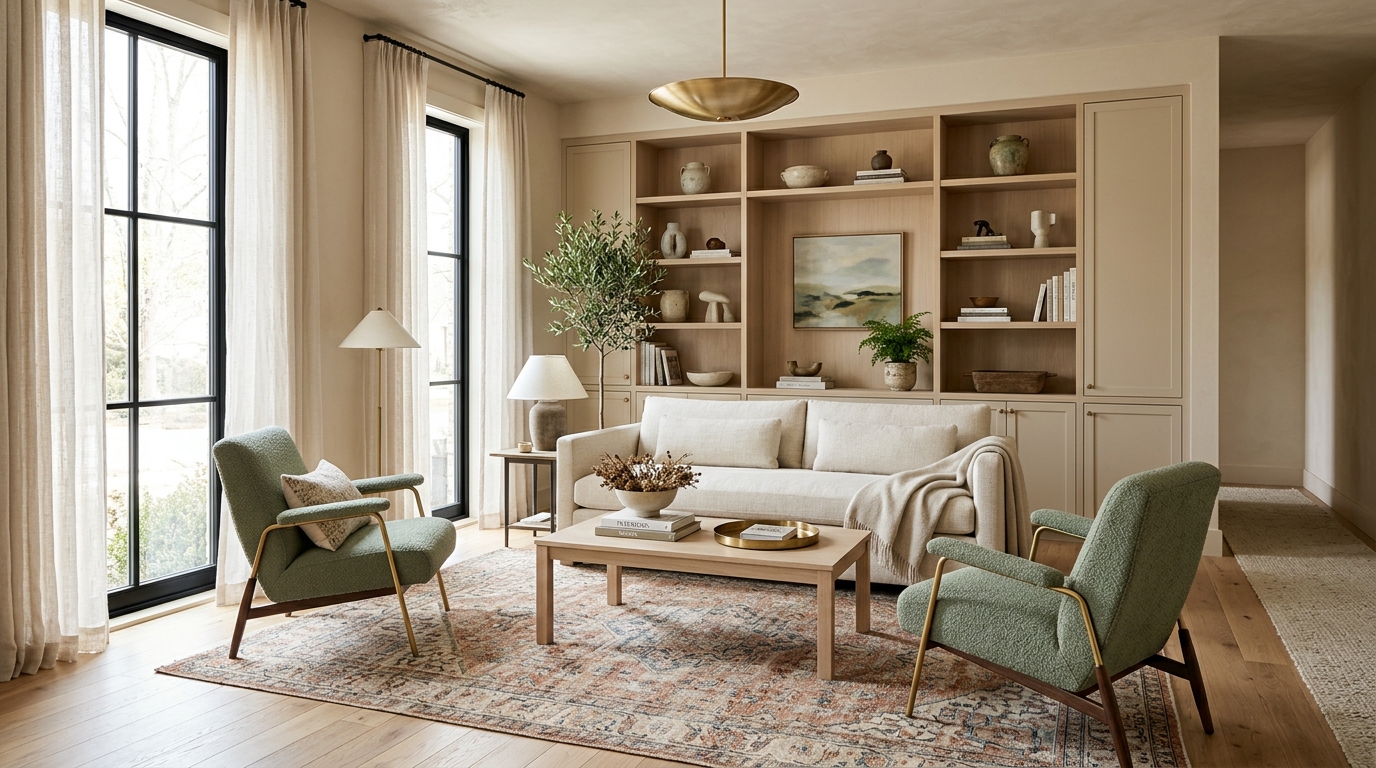
The fix: size up, then size up again. As a rule, the front legs of every major seating piece should rest on the rug, and the rug should stop roughly eight to eighteen inches short of the walls. For a standard living room that usually means an 8 by 10 or a 9 by 12, not the 5 by 7 that looked enormous under the showroom lights.
One more tell: if all your seating floats on bare floor with the rug hiding underneath the coffee table alone, size up until it visually ties the whole grouping together.
3. Blocking the Traffic Lanes
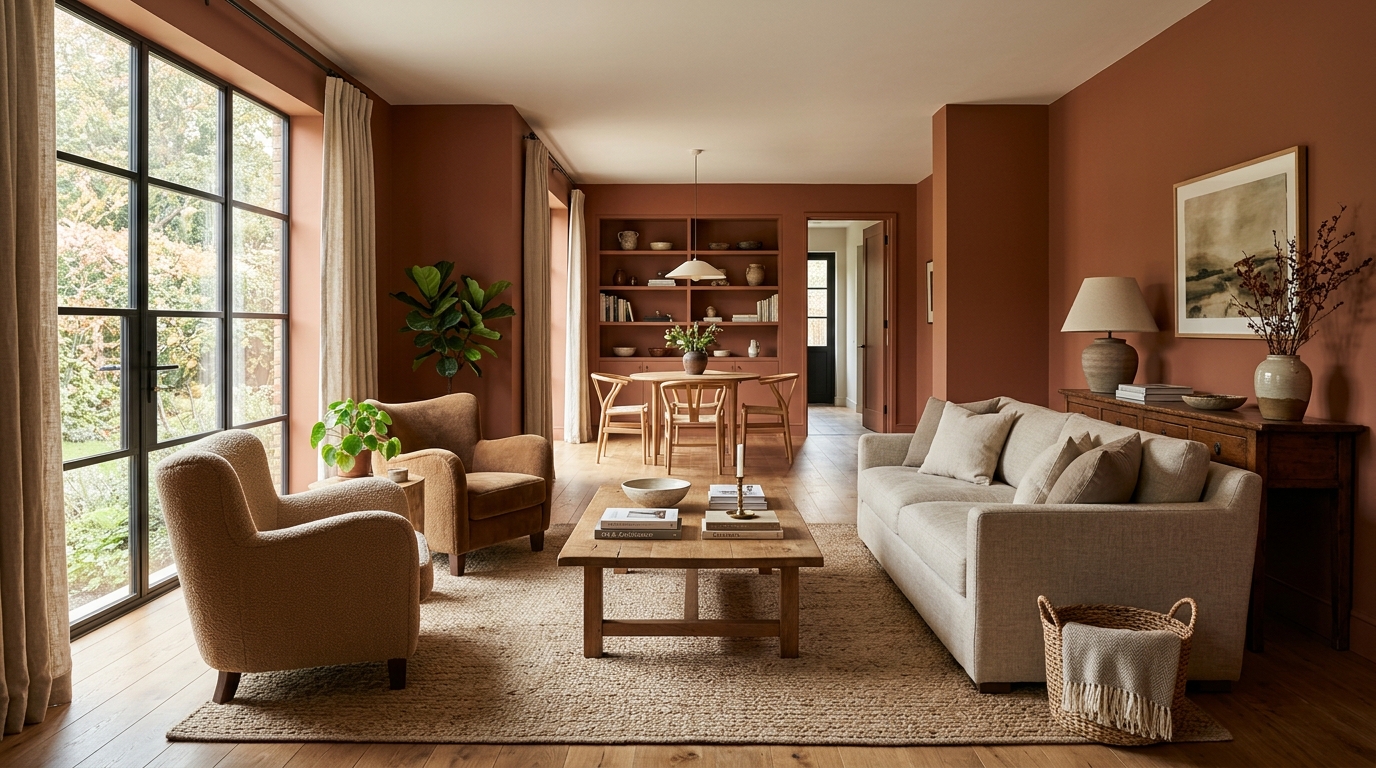
If you have to turn sideways to reach the window, or you keep clipping the same console with your hip, the room is telling you something. Furniture that ignores how people actually move through a space creates a low, constant friction you feel even when you cannot name it.
The fix: walk the room before you commit. Leave at least 30 to 36 inches for main walkways and a clear 18 inches between the coffee table and the sofa. Trace the natural path from door to sofa to window, then arrange around it, never straight across it.
4. Forgetting to Give the Room a Focal Point
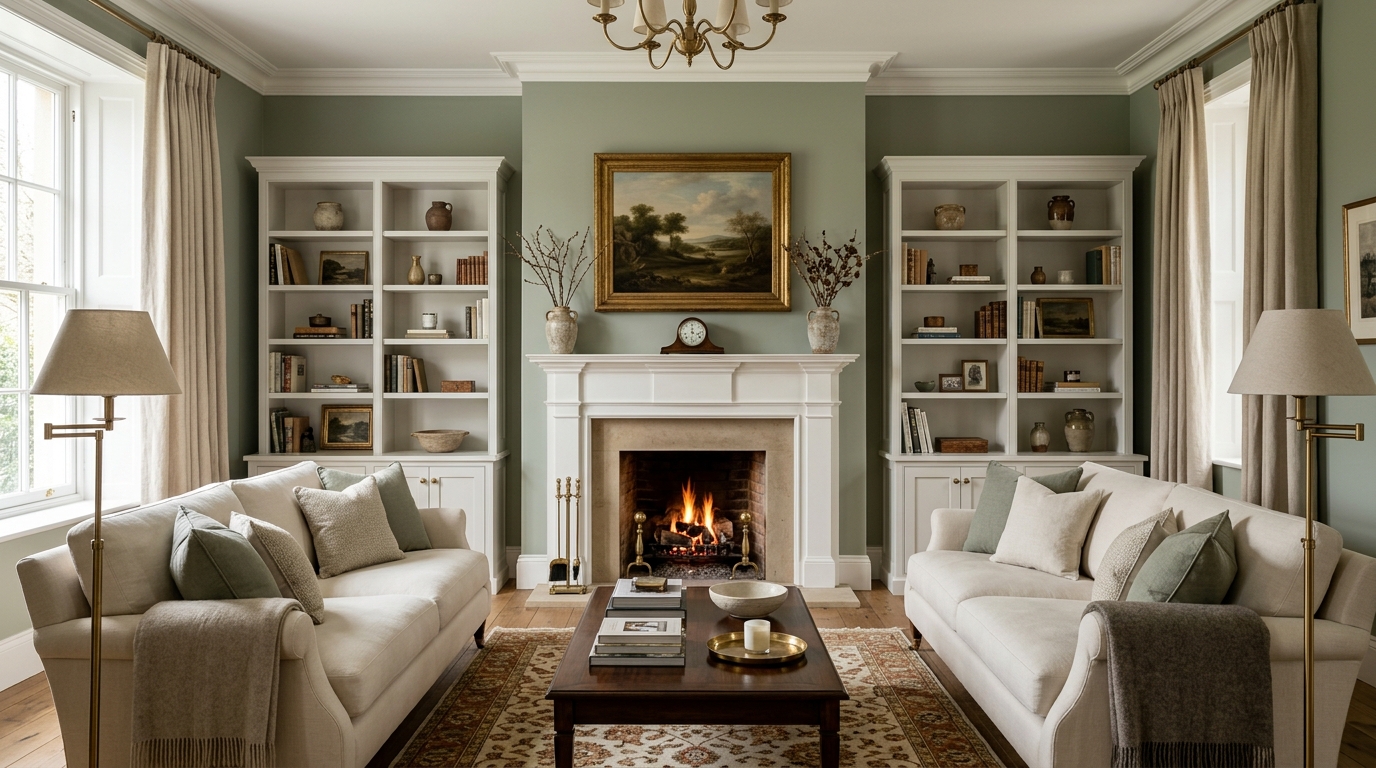
When everything competes for attention, nothing wins. A room with a television on one wall, a bold rug on the floor, a gallery wall over here and a statement chair over there feels busy and strangely restless, because the eye has nowhere to land first.
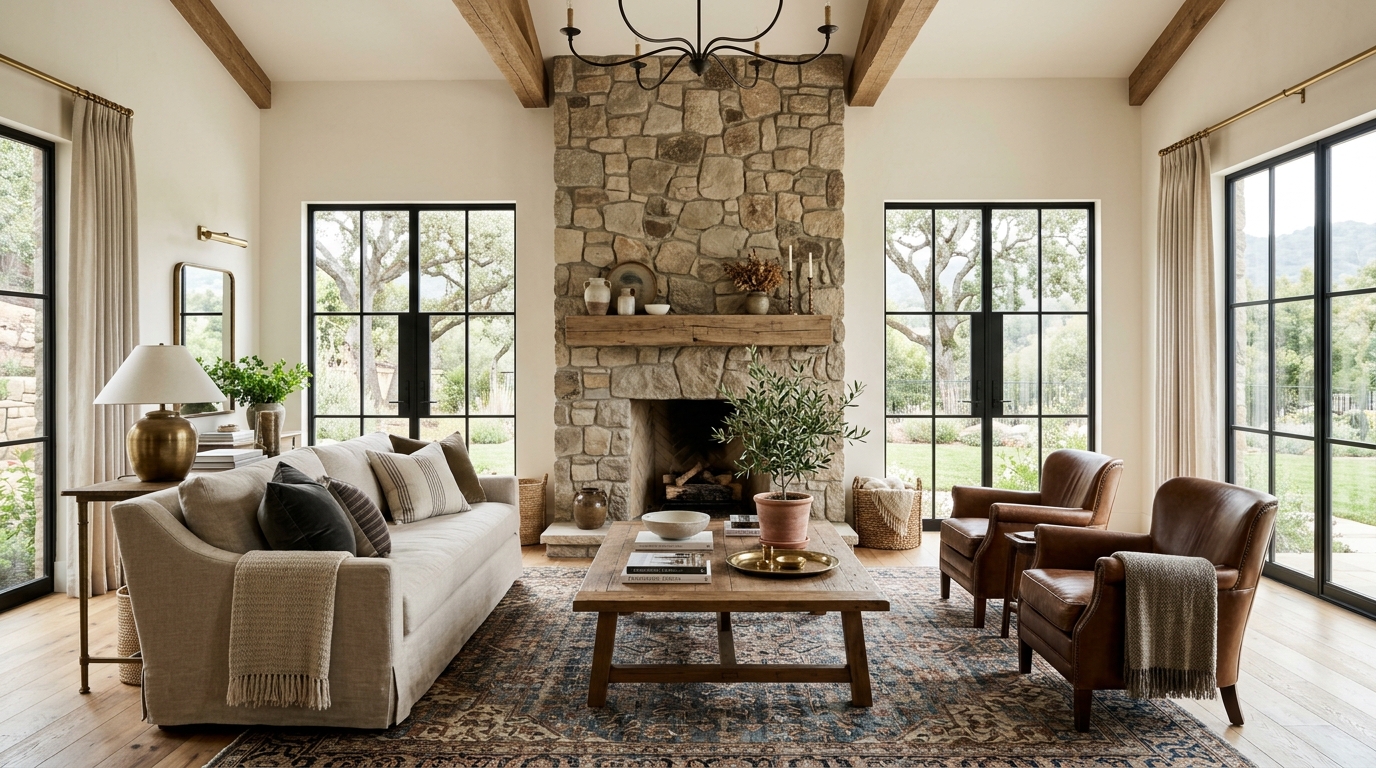
The fix: pick a hero and build around it. A fireplace, a window with a view, a single piece of art, or yes, the television. Anchor the seating toward that one focal point and let everything else play a supporting role. A room with a clear center of gravity instantly feels calmer and more deliberately designed.
The trick is restraint. Once the focal point is set, resist the urge to add a second showstopper on the opposite wall. One star, a strong supporting cast, and the room finally reads as composed instead of crowded.
5. A Sea of Same-Height Pieces
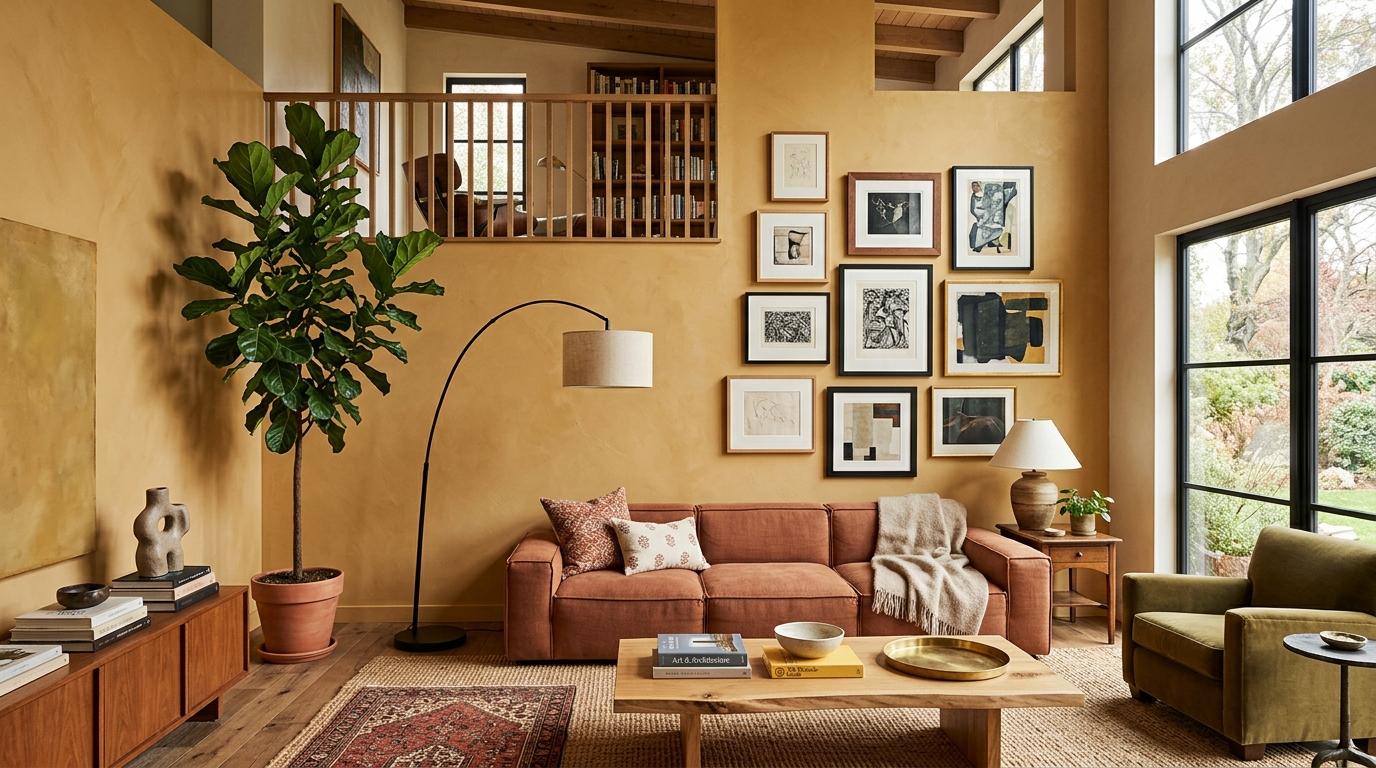
Put a low sofa next to a low chair next to a low console next to a low bench and you get a room that reads like a parking lot: flat, level, and faintly boring. When every piece hovers at the same height, the eye has nothing to climb, and the space feels one-note no matter how lovely the individual pieces are.
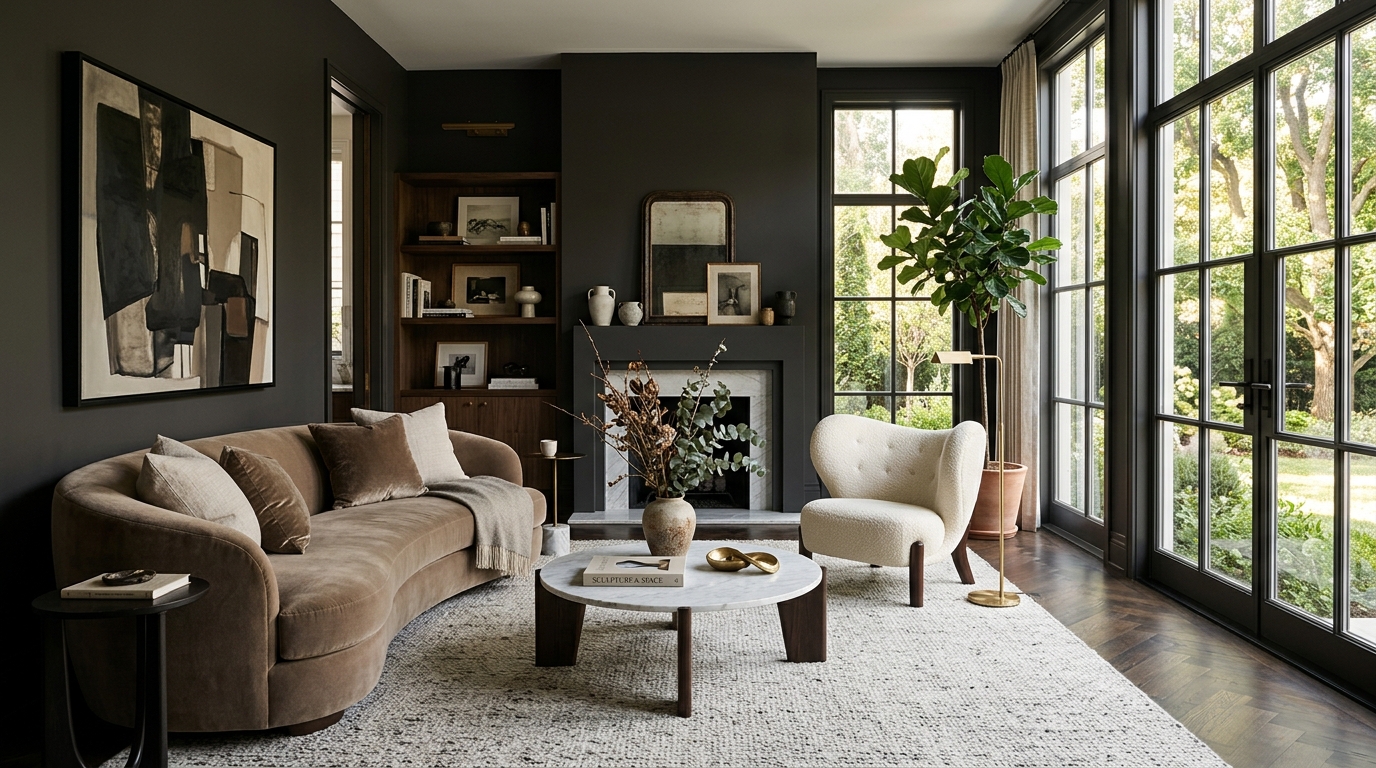
The fix: vary the vertical rhythm. Add a tall bookshelf, a leggy floor lamp, a piece of art hung high, or a plant that reaches toward the ceiling. Mixing heights draws the eye up and down and gives a flat room the dimension it has been missing.
6. The Marooned Coffee Table
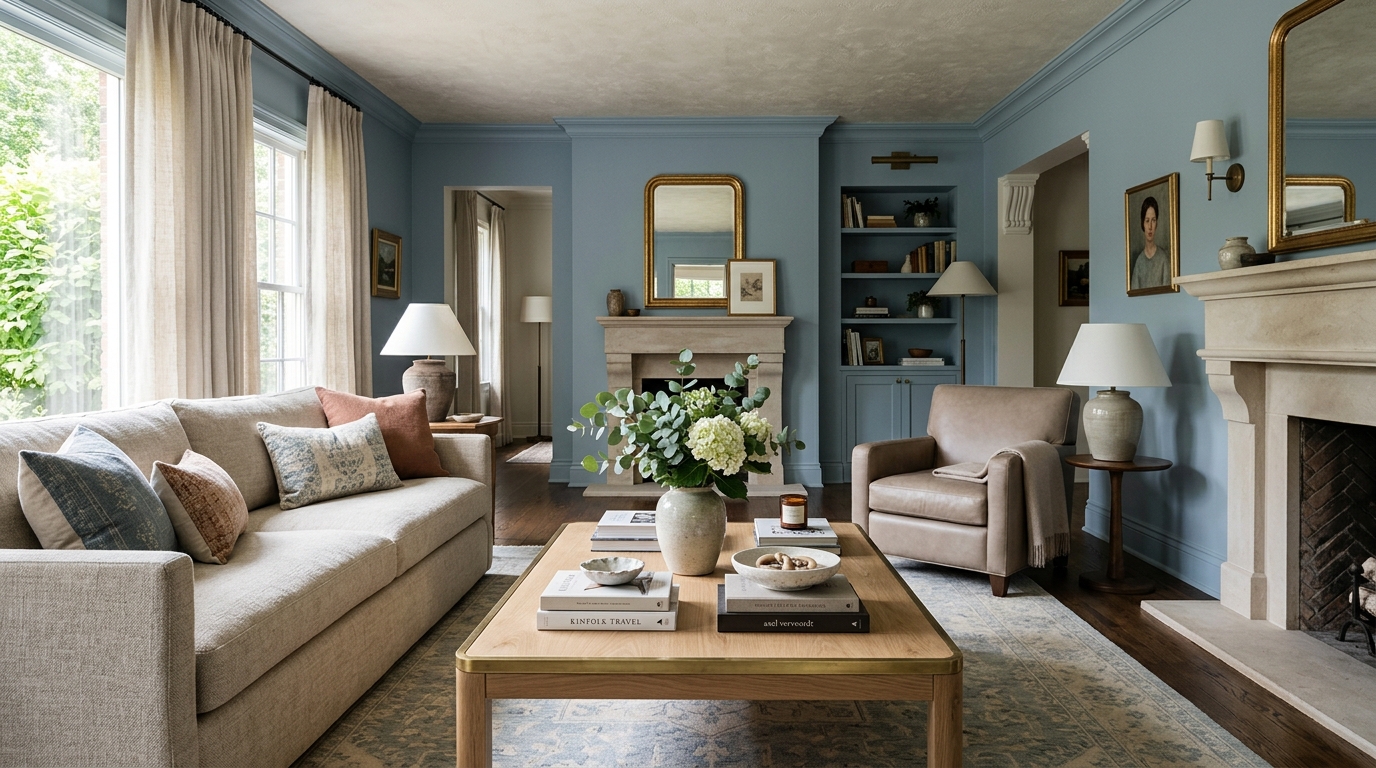
A coffee table pushed too far from the sofa is useless. Nobody can set down a drink without a full lunge, so it becomes decorative dead weight stranded in the center of the room. Too close, and you are forever bruising your shins on the way past. Both extremes quietly sabotage the one piece meant to make the room feel livable.
The fix: aim for the sweet spot of about 14 to 18 inches between the sofa and the coffee table, near enough to reach a glass without leaving your seat. Match the scale too. The table should run roughly two-thirds the length of the sofa, so the pairing looks intentional rather than accidental.
If your table and sofa were bought years apart, this is where the mismatch shows most, so trust the tape measure over the memory of what looked right in the store.
7. Buying for the Showroom, Not the Room
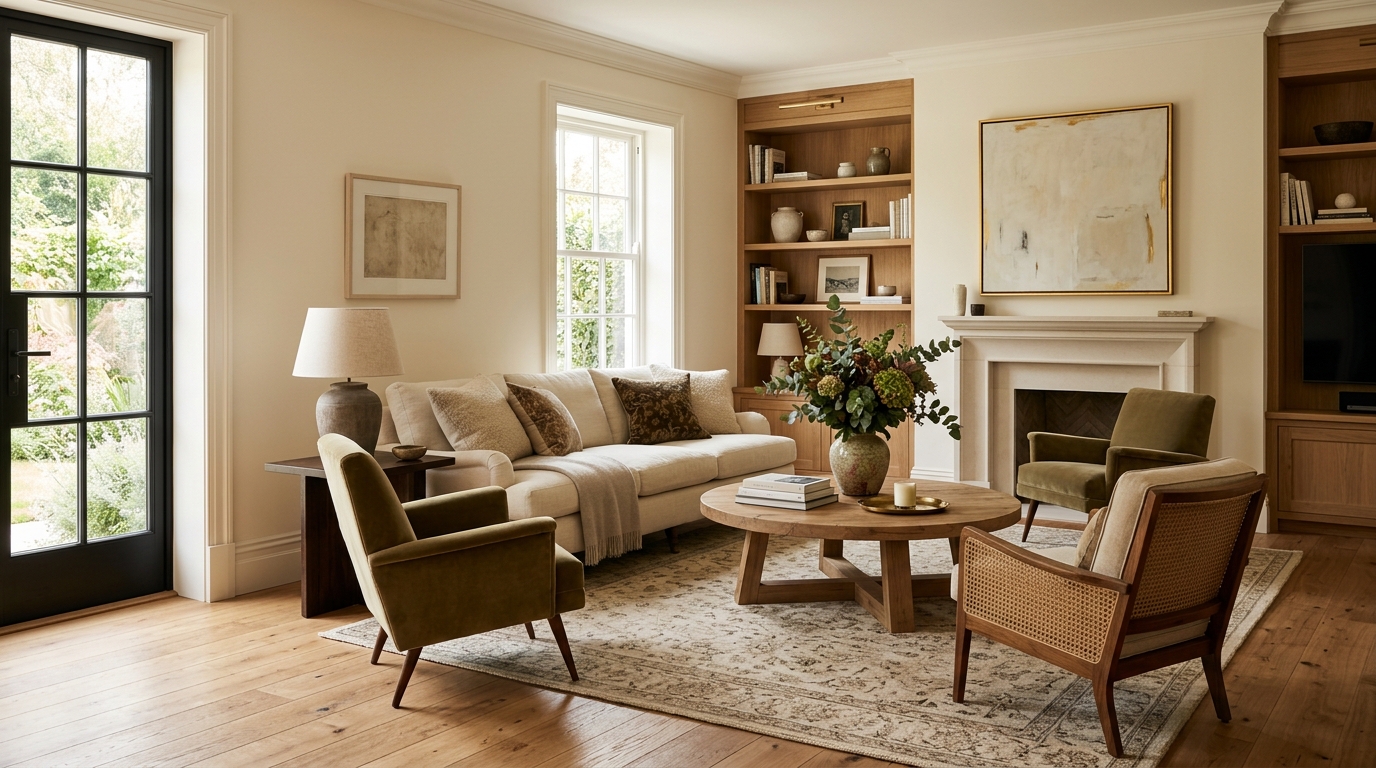
That sectional looked perfectly reasonable under the cavernous ceilings of the furniture store. At home it swallows the living room whole, blocks a doorway, and leaves no room for a side table. Scale mistakes are expensive, and they are almost always made with the very best intentions.
The fix: measure first, always. Tape out the footprint of anything large on your actual floor with painter's tape before you buy, and note the doorways, radiators, and outlets it has to live around. Better yet, preview the piece in your real room with an AI redesign, so you can judge the scale before a single delivery truck is booked.
See the Fix Before You Move a Thing
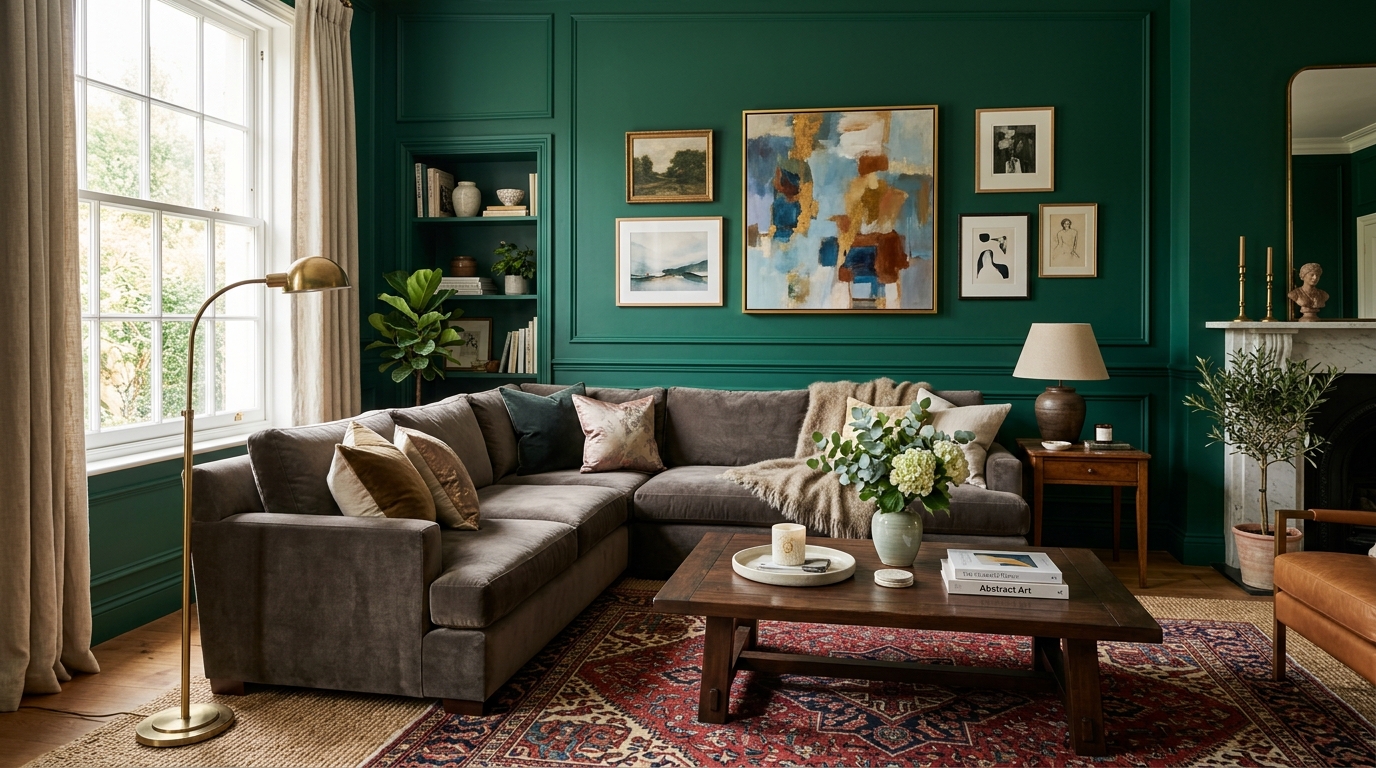
Here is the quiet truth about furniture layout: you rarely need new furniture. You need a new plan, and a way to test it without hauling a sofa across the room three times to find out it was better where it started.
That is exactly what Framehouse does. Upload a photo of your room, watch it reimagined in minutes, then receive a complete design playbook with the layout, palette, and shopping list included, so you can act on it today. You keep the taste and the final say. We just hand you the map.