Nobody posts the real number. You wander into a showroom with a vague sense that a sofa costs "a couple thousand," you leave holding a quote for eleven, and somewhere in between you lose your nerve and live with the futon for another year.
So let us do the unglamorous thing and put actual figures on it. Here is what a living room costs to furnish in 2026 at three honest tiers, line by line, plus the tariff sitting quietly inside your sofa, the pieces worth overpaying for, and the order a designer would buy them in. The total, it turns out, matters far less than the sequence.
The Short Answer: Three Numbers, Not One
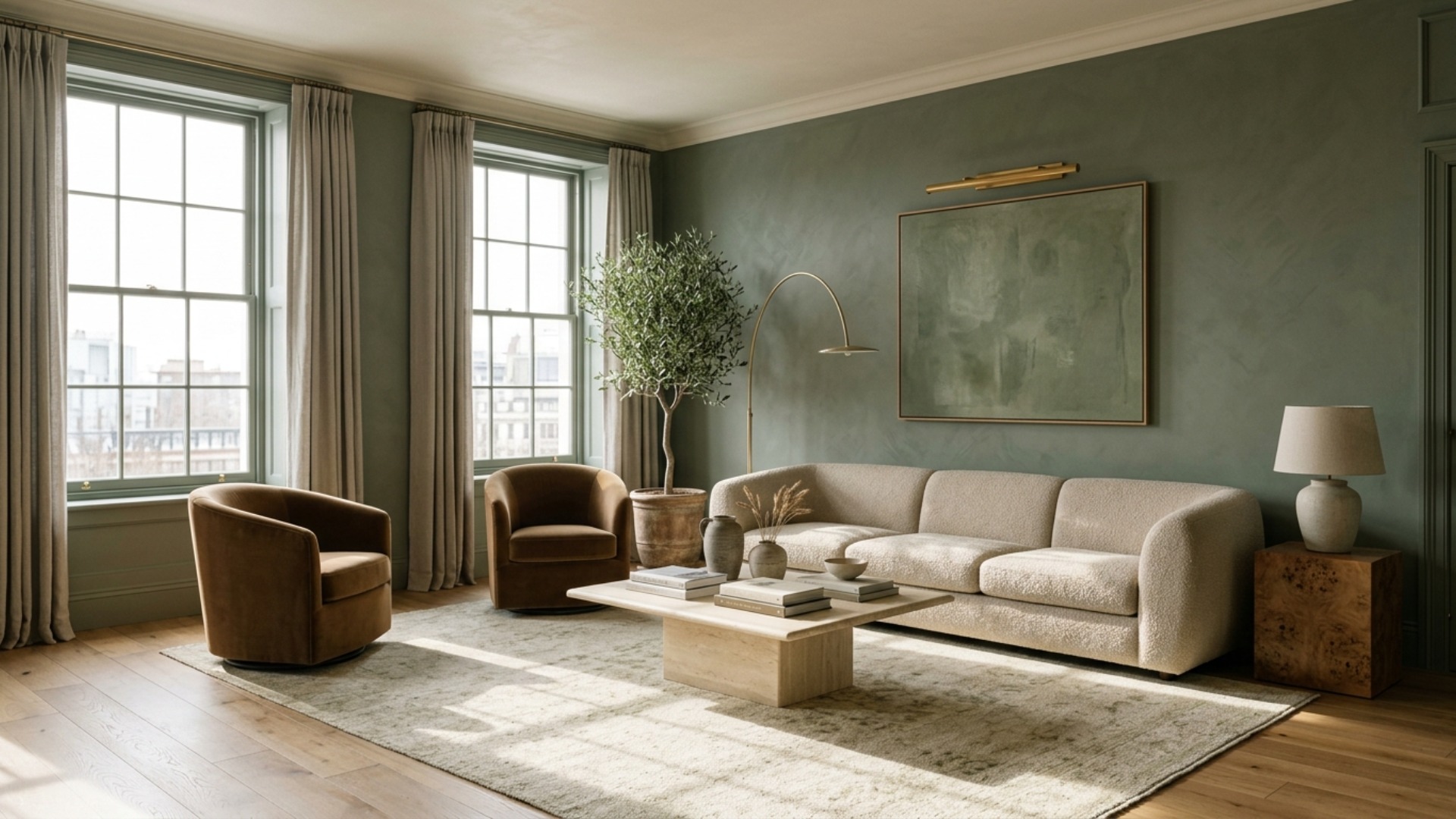
The living room is the most expensive room in the house to furnish, and it is not close. A 2026 cost analysis from Awning puts the range at $4,500 to $20,000, with mid-range setups landing between $5,000 and $10,000. The primary bedroom, the runner-up, comes in at $3,000 to $6,000. For context, furnishing an entire three-bedroom house at mid-range runs $10,000 to $40,000, which means one room can swallow a quarter of the whole project.
That spread is uselessly wide until you split it into tiers, so here are the three we will use for the rest of this piece.
The Starter Room: $2,500 to $4,000. Everything you need, nothing you covet.
The Sweet Spot: $5,000 to $10,000. One piece that lasts fifteen years, the rest sensibly chosen.
The Invest Room: $12,000 and up. Fewer objects, better ones, and no plans to redo it.
Why the range is so wide comes down to three things: how much of the room you already own, how big it is, and whether you buy in one go or over time. A 12 by 14 room needs one sofa and one rug. A 16 by 22 open-plan space needs two seating zones, two rugs, and roughly double everything else, which is how a living room budget quietly becomes a house budget.
The Tariff Sitting Quietly in Your Sofa
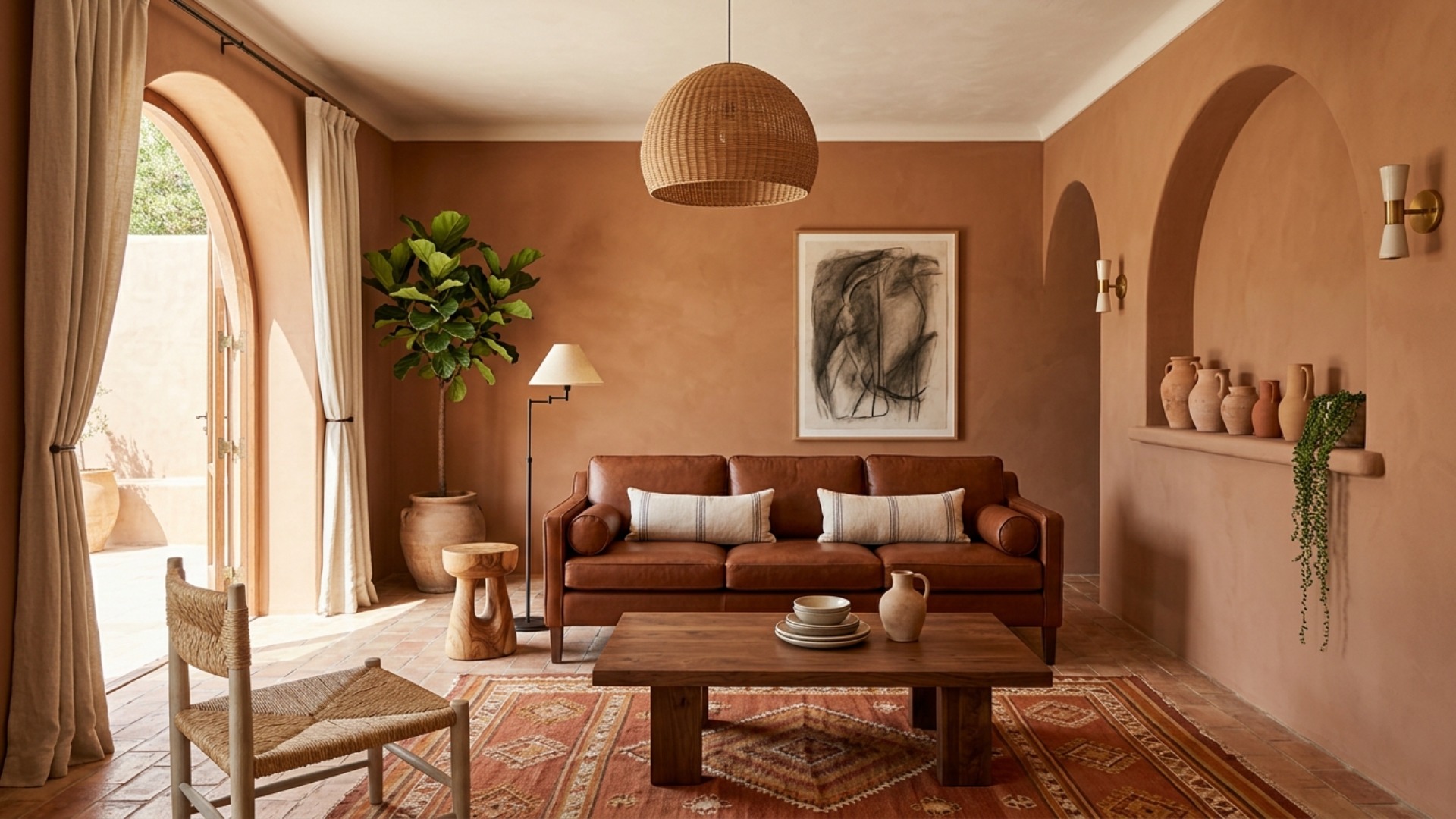
Prices feel strange right now for a reason. On October 14, 2025, a 25 percent tariff landed on imported upholstered furniture, which is to say sofas, sectionals, and anything with fabric stretched over a wooden frame. Kitchen cabinets and vanities got the same treatment. Those rates were scheduled to climb on January 1, 2026, to 30 percent on upholstery and 50 percent on cabinets, but a proclamation signed on the last day of 2025 pushed the increase back to January 1, 2027.
The damage was already done. Living room, kitchen, and dining room furniture prices rose 4.6 percent between November 2024 and November 2025, nearly double the 2.7 percent overall inflation rate for the same stretch. The better news is that the surge has cooled. Bureau of Labor Statistics figures for the twelve months through July 2026 show the same category up just 1.1 percent while all items rose 3.4 percent, which means furniture is quietly getting cheaper in real terms.
Two details worth pocketing. Non-upholstered wood, so dining tables, dressers, bed frames, and mattresses, was never touched. And country of origin matters: British goods face a 10 percent cap and European or Japanese goods 15 percent, while Vietnamese and Chinese pieces carry the full 25.
Tier One: The Starter Room, $2,500 to $4,000
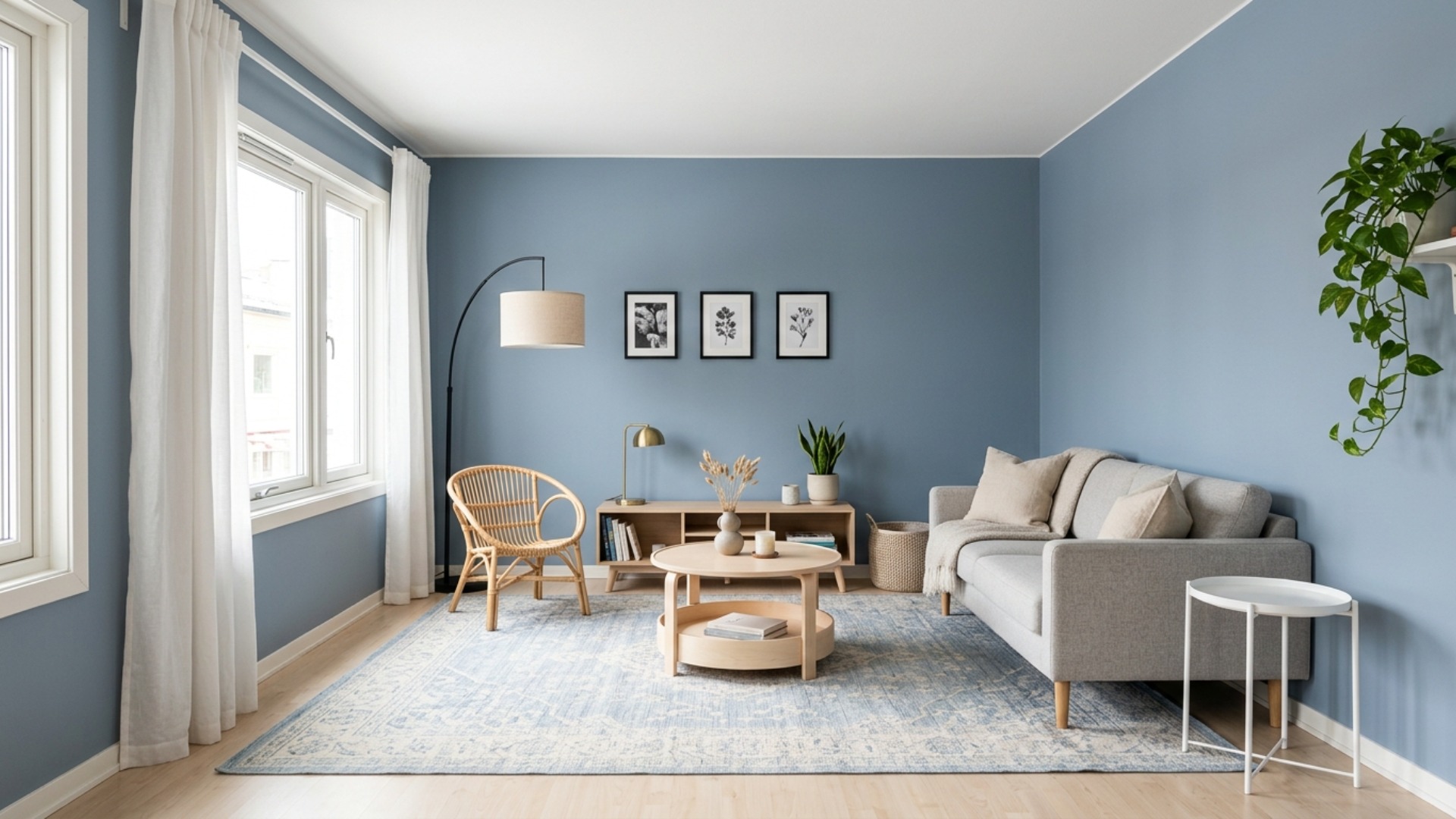
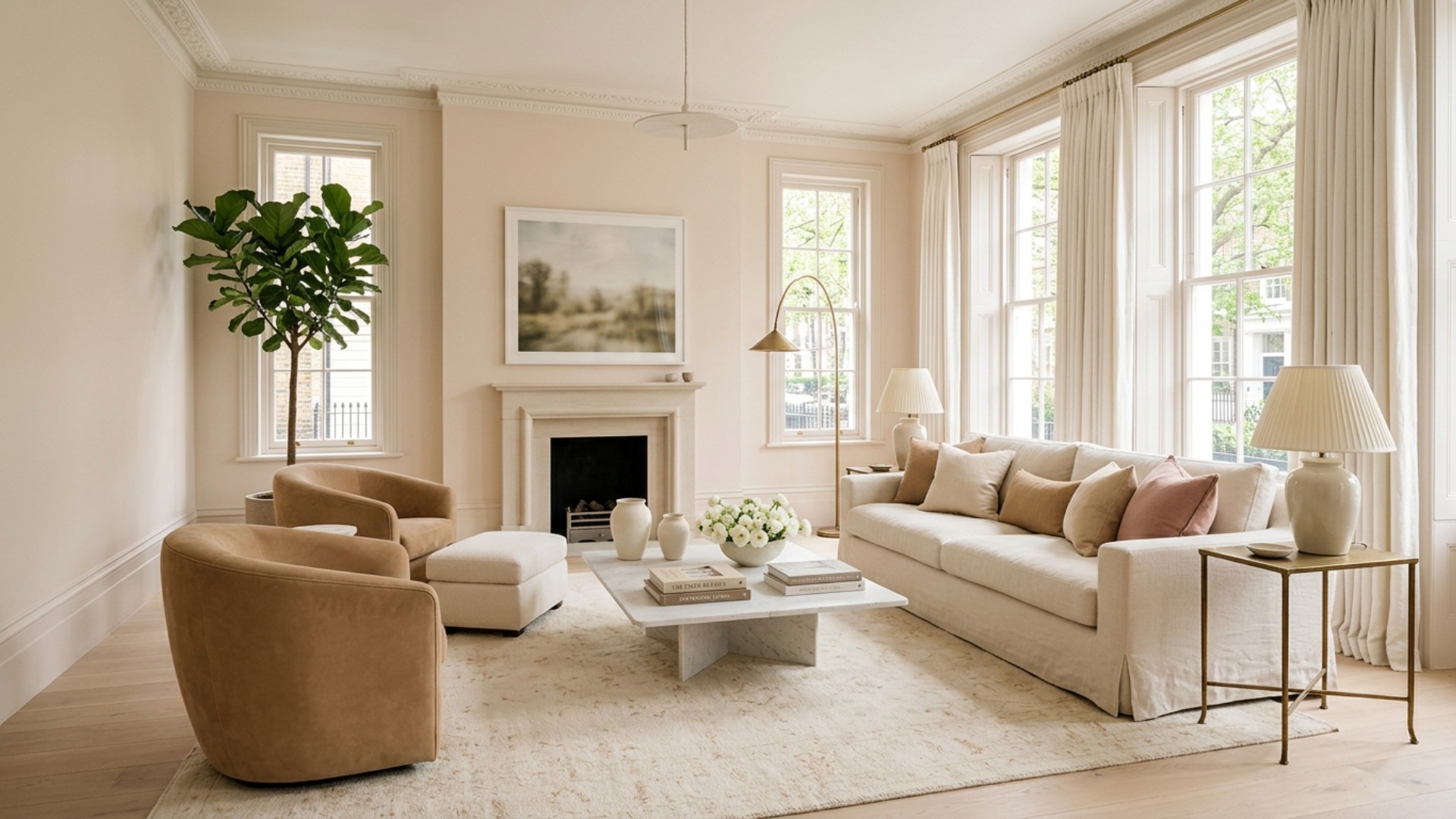
This is the first real living room, and the goal is coherence rather than character. A sofa at $800 to $1,200. A rug at $200 to $400. A coffee table at $200 to $300. Two lamps at $150 to $300 for the pair. A media console at $300 to $500. Curtains and one piece of art to close it out at $300 to $500.
One warning, because it is the least discussed consequence of the tariffs: the cheapest product varieties took the biggest hit, rising roughly 5 percent on average, about double the increase on premium goods. The $400 sofa absorbed more pain than the $2,000 one.
So buy the best frame you can afford in a plain, forgiving neutral, and put every spare dollar into rug size rather than rug pile. A too-small rug is the loudest tell in a starter room, and correcting it costs nothing but restraint at the checkout.
Tier Two: The Sweet Spot, $5,000 to $10,000
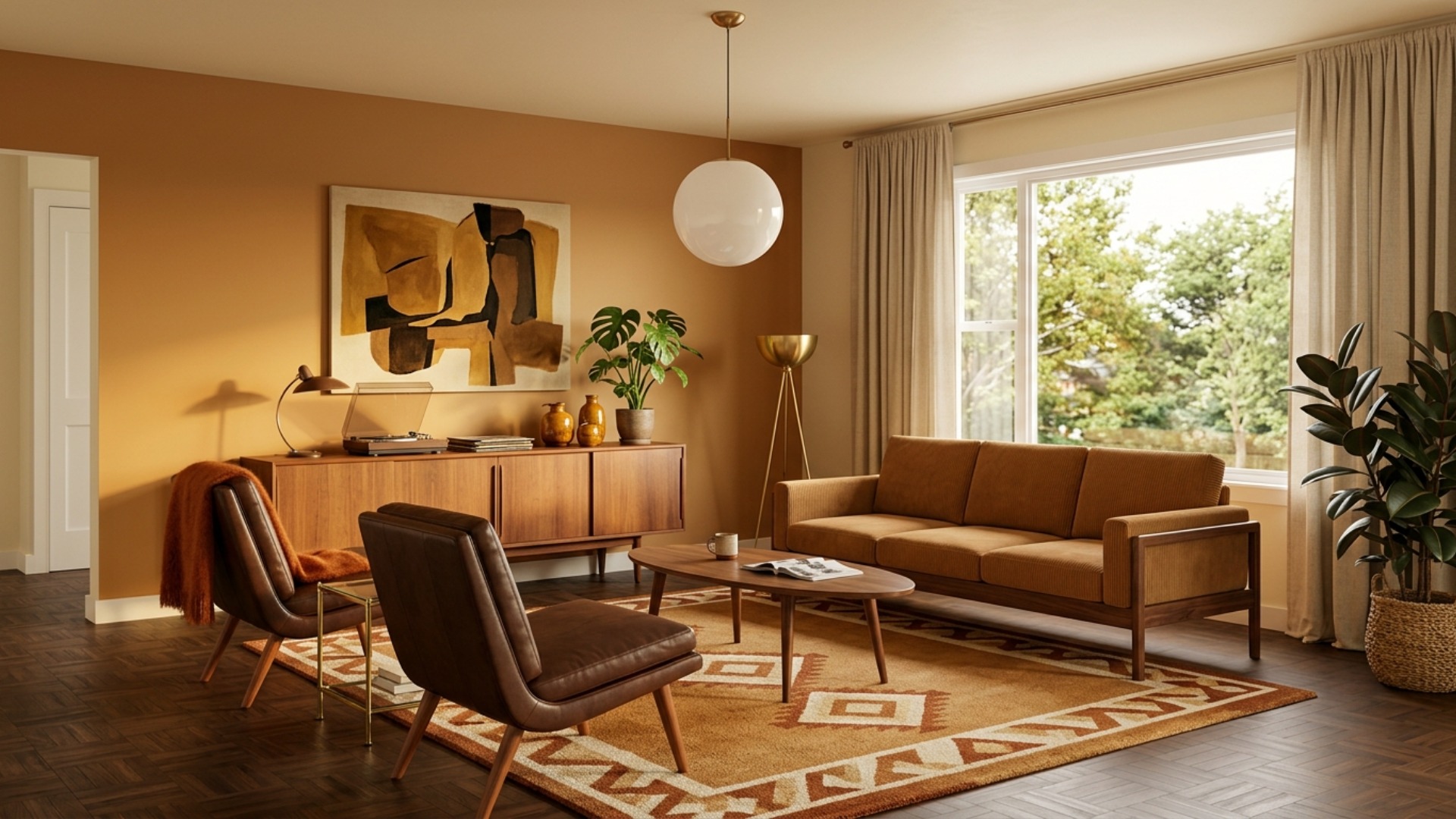
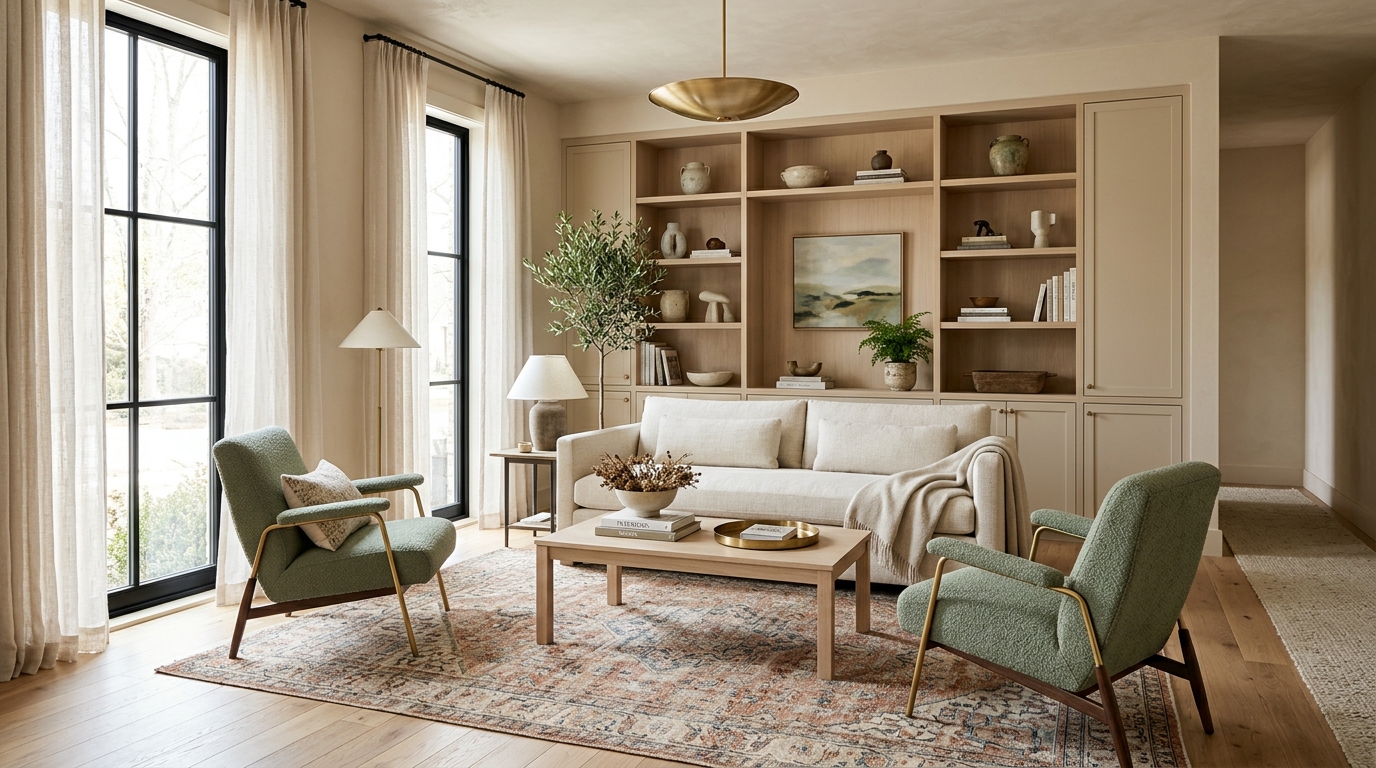
This is where most people should live, and where the math starts paying you back. A sofa at $1,800 to $2,800, which is the window where you stop buying a shape and start buying a frame. An area rug at $600 to $1,200. A coffee table at $400 to $800. Two accent chairs at $600 to $1,200. Lighting, meaning a floor lamp, a table lamp, and a dimmer you will thank yourself for, at $500 to $900. A media console at $700 to $1,200. Window treatments at $400 to $800. Art and accessories at $500 to $1,000.
The difference between this room and the one above it is not glamour, it is longevity. Kiln-dried hardwood frames, eight-way hand-tied or sinuous spring suspension, and removable cushion covers are what separate a sofa you keep from a sofa you replace. Ask about the frame before you ask about the fabric. Almost nobody does.
This is also the tier where budgets leak. The classic mistake is spending the whole allowance in a single showroom trip, then discovering the rug is 5 by 8 when the room wanted 9 by 12, and that one more lamp would have done more work than the accent chairs. Hold back 15 percent for the things a floor plan cannot predict. Almost every room asks for one item that was never on the list.
Tier Three: The Invest Room, $12,000 and Up
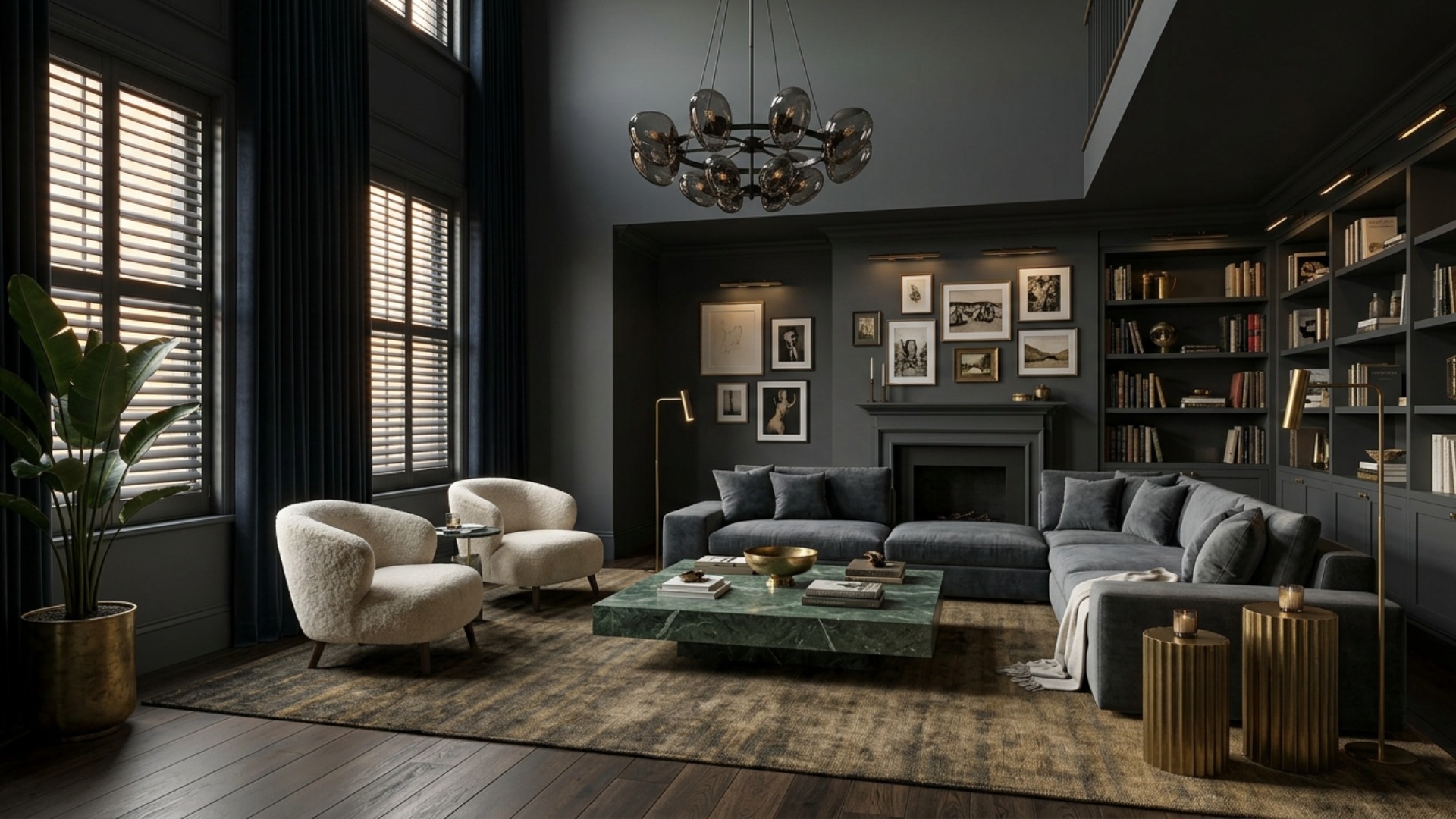
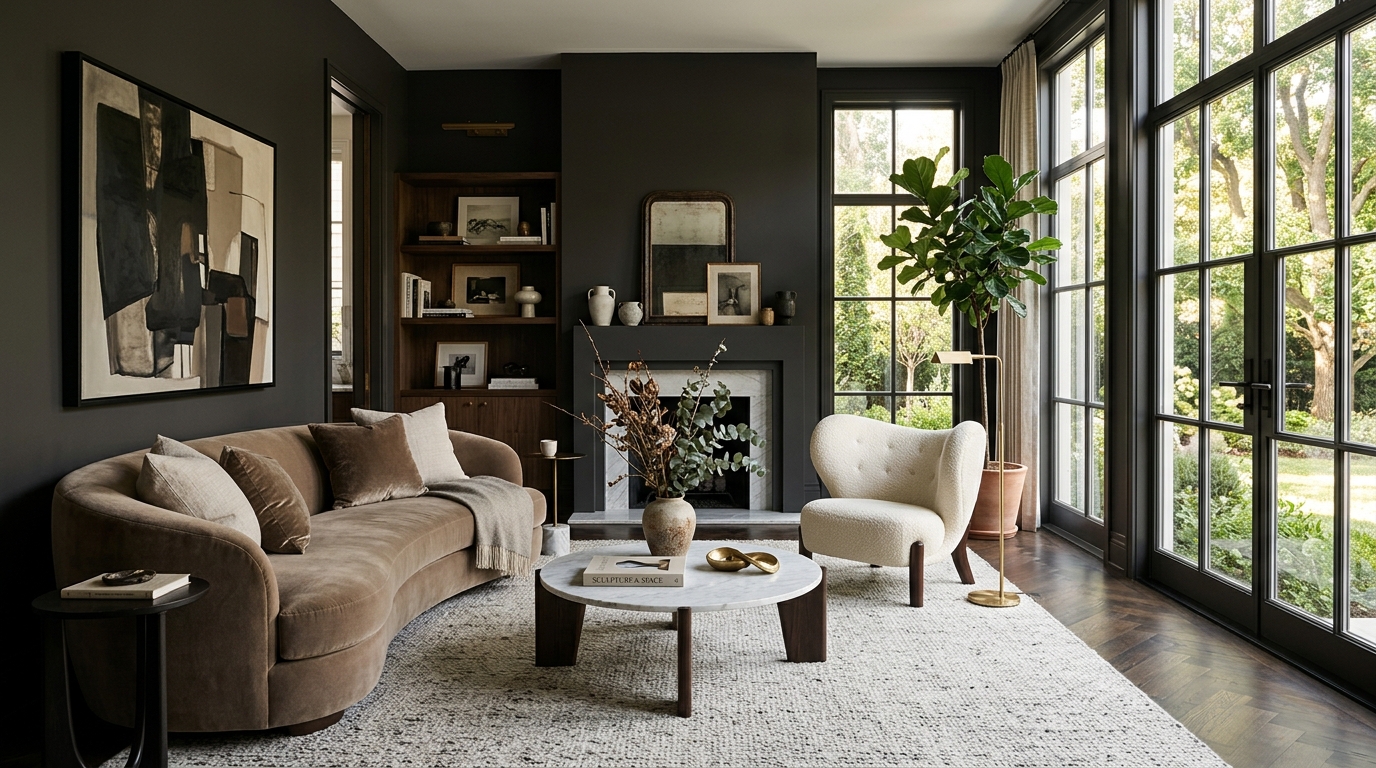
At the top of the range a living room reaches $20,000, and the money stops buying more things and starts buying fewer, better ones. A sofa or sectional at $3,000 to $6,000. A hand-knotted wool rug at $2,000 to $5,000. A stone or solid-timber coffee table at $1,200 to $2,500. A pair of proper armchairs at $2,000 to $4,000. Lighting with actual provenance at $1,500 to $3,000. Custom, fully lined drapery at $1,500 to $3,000. Art at whatever you decide art is worth.
Here is the honest part. An invest room is not automatically a beautiful room. Plenty of $20,000 living rooms look like a furniture catalogue fell over. What you are buying at this tier is permanence, which makes the plan matter more here than at any other price point. Choose the wrong shapes and the mistake stays for a decade.
Where to Spend, Where to Save, and What to Buy First
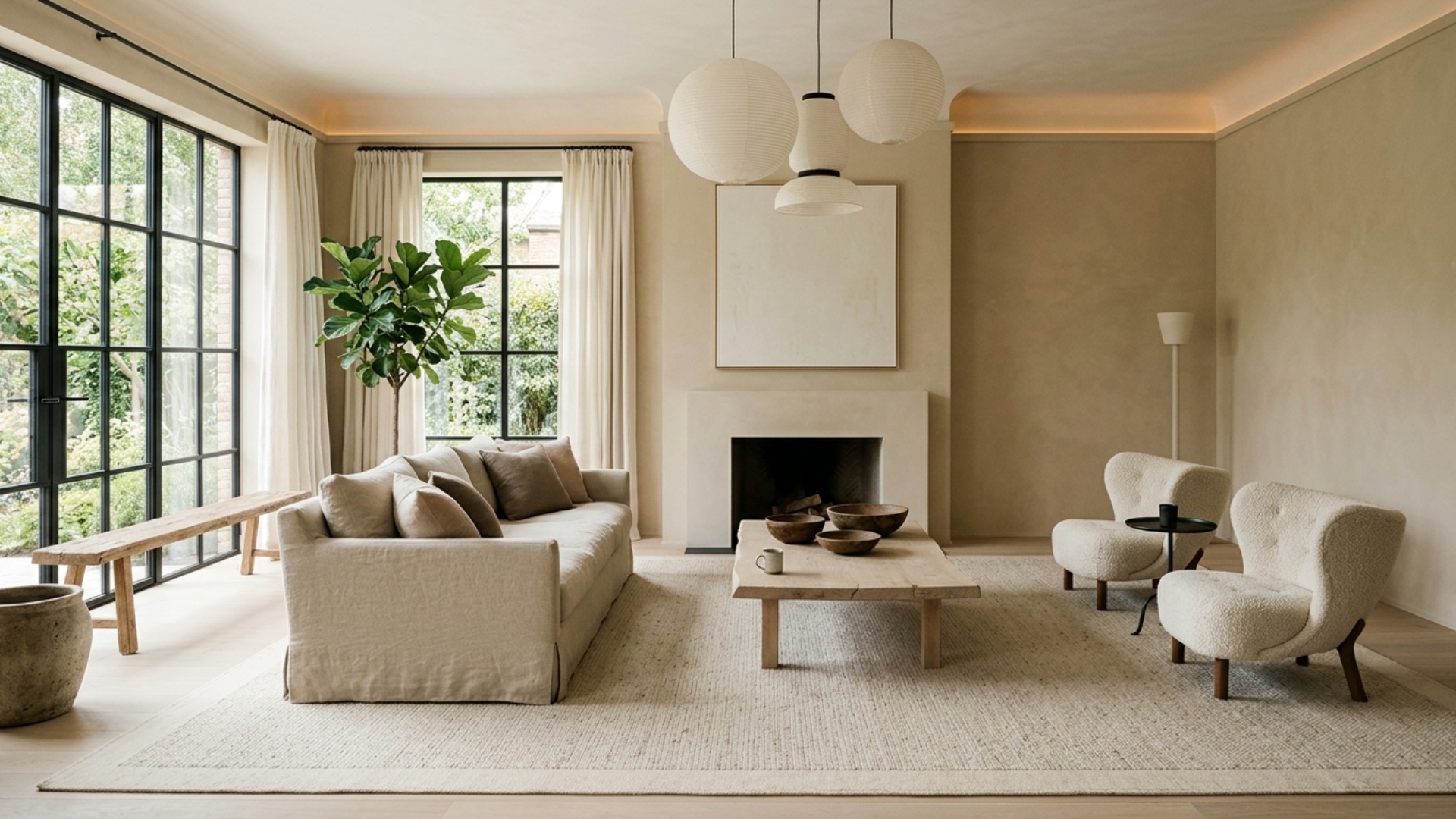
Spend on the sofa, the size of the rug, and the lighting. Those three decide whether a room reads considered or accidental, and all three are painful to fix later. Save on the coffee table, the media console, and every accessory, because they are easy to upgrade and no one in the history of hosting has walked in and admired a console.
Rugs, as it happens, are the rare bargain of 2026. Floor covering prices actually fell 1.7 percent over the twelve months through July, while window coverings rose 4.6 percent. If you have been putting off buying something big and woolly, this is your window.
Then there is the part almost nobody sequences properly. Do not furnish a living room in a weekend. Spread it across a year and it stops being a purchase and starts being a plan.
Months 1 to 2: rug and lighting. The cheapest transformation available, and it tells you what the room actually wants.
Months 3 to 5: the sofa. You will have lived with the light long enough to know the scale.
Months 6 to 8: coffee table and console.
Months 9 to 10: accent chairs.
Months 11 to 12: window treatments and art, which is where the room finally starts to sound like you.
The number matters less than the order. Buy in the right sequence and a $4,000 room can outclass a $15,000 one, which is the most expensive lesson in decorating and also the cheapest to learn.