Best Sofa for Small Living Rooms in 2026
How to choose the right size, style, and configuration without overthinking it
Framehouse Editorial
Updated January 28, 2026
The Short Answer
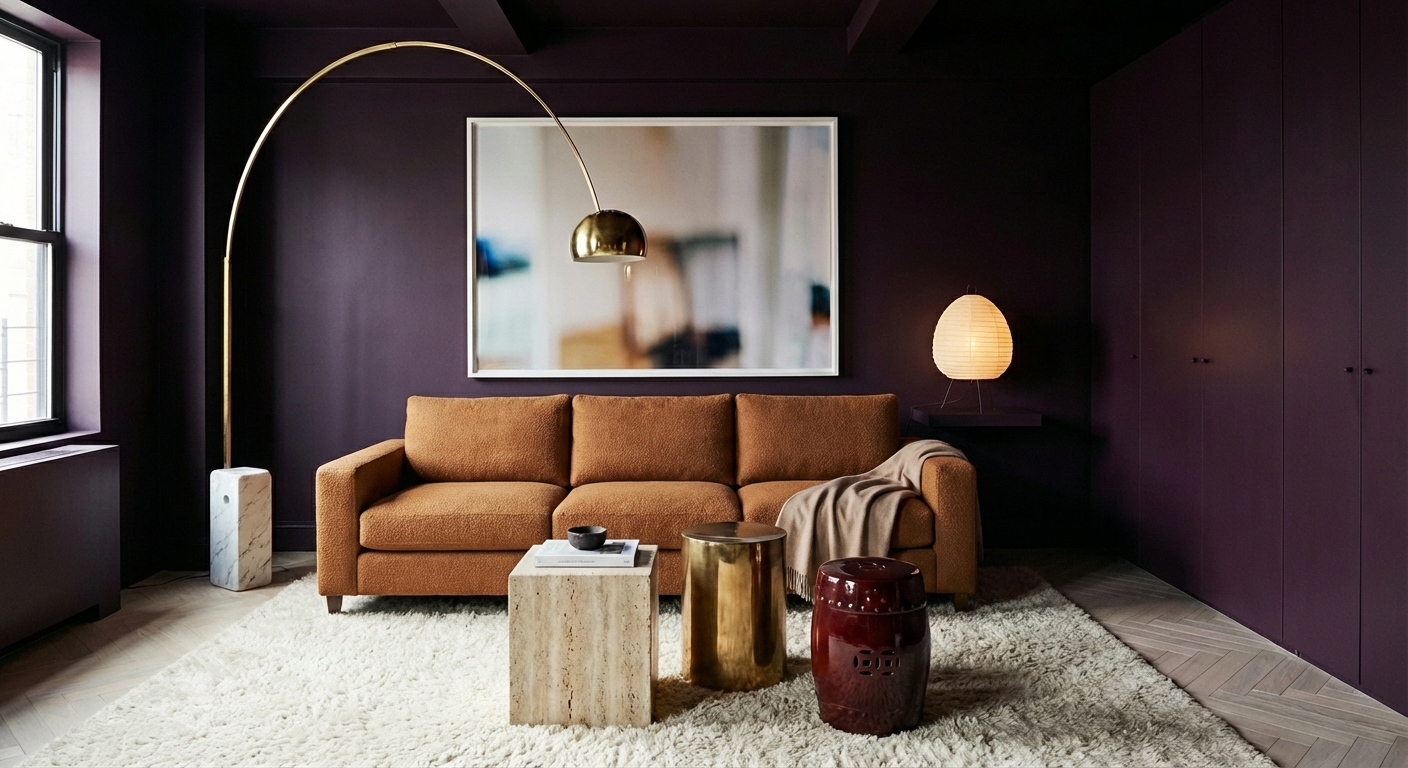
The best sofa for a small living room is 72–84 inches wide, with slim arms and visible legs to keep the space feeling open.
In most small rooms, a straight sofa or sofa-plus-chair layout works better than a bulky sectional.
Scale and depth matter more than brand. A correctly sized sofa will outperform a higher-end sofa that’s too large.
Is This Guide For You?
This is for you if...
- •Your living room feels cramped, awkward, or visually crowded
- •You want comfort without sacrificing flow
- •You’re overwhelmed by options and want a confident decision
This might not be for you if...
- •You’re furnishing a large, open-concept space
- •You already know exactly which sofa you want
- •You’re prioritizing a statement piece over day-to-day usability
Our Top Picks
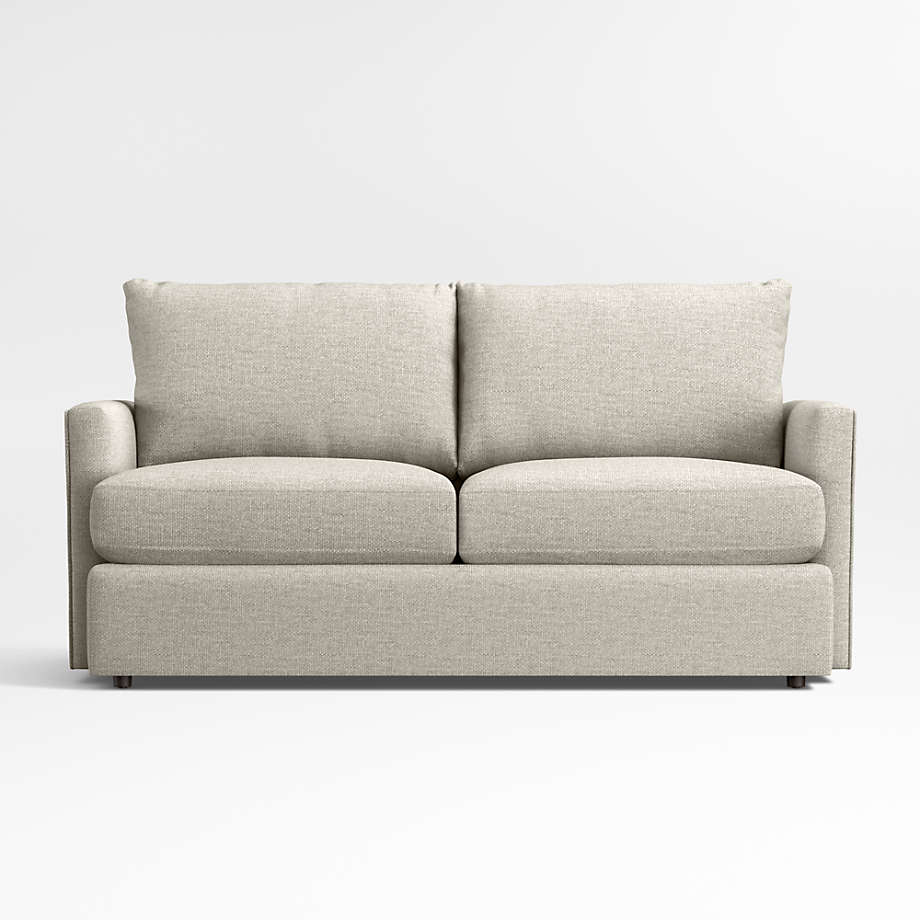
Crate & Barrel Lounge Classic 73" Apartment Sofa
A compact ~73″ wide sofa with clean lines and raised legs that visually open up a small living room, while offering everyday comfort and durability. Its proportion makes it versatile in most small layouts, and it avoids the visual bulk many sofas have.
Trade-off: Higher price point than basic entry sofas
View Product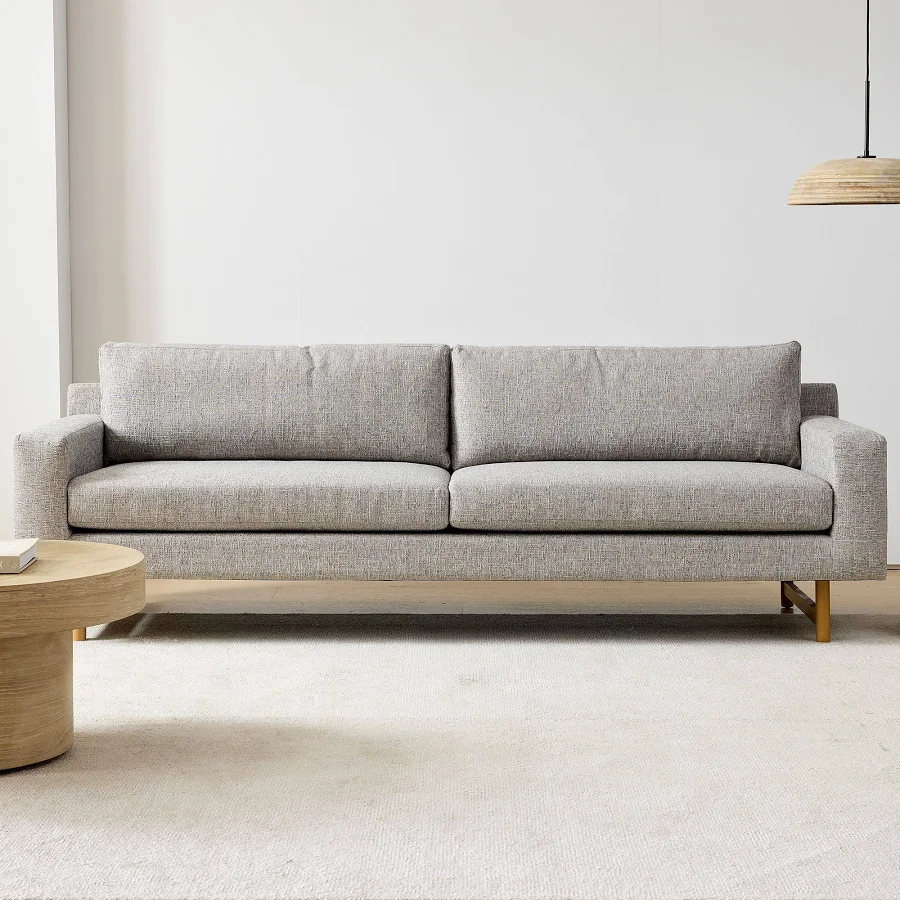
West Elm Eddy Sofa Performance
Slim arms and a tailored silhouette make this sofa ideal in apartments and snug layouts where every inch counts. It balances comfort with a minimalist profile that doesn’t dominate the room.
Trade-off: Less deep seating than lounge-focused styles
View Product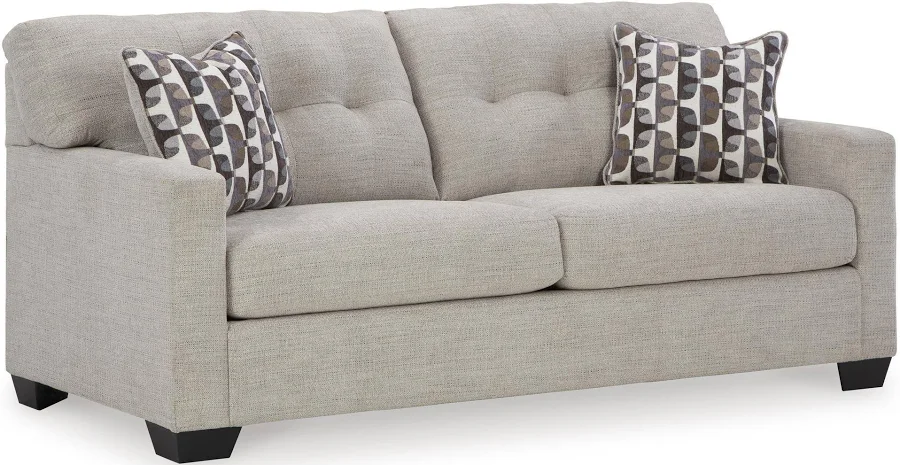
Ashley Mahoney Sofa
An exceptional value pick under $500 that still looks put-together and comfortable. Its classic silhouette fits well against walls or between windows in compact rooms.
Trade-off: Basic materials and simpler finish
View ProductHow We Evaluated
Choosing a sofa for a small living room isn’t about finding the “best” sofa overall. It’s about finding the option that makes the fewest compromises in a limited space. We evaluate sofas based on how they perform in real apartments, not idealized showrooms.
Scale & Proportion
Why it matters: Why it matters: Oversized sofas make small rooms feel permanently cramped.
What we look for: What we look for: Width, arm thickness, leg visibility, visual weight.
Seat Depth & Comfort
Why it matters: Why it matters: Deep seats quickly eat into usable floor space.
What we look for: What we look for: Comfortable seating without excessive depth.
Layout Flexibility
Why it matters: Why it matters: Small rooms often need to evolve.
What we look for: What we look for: Pieces that allow rearranging.
Longevity
Why it matters: Why it matters: A good sofa should survive a move or refresh.
What we look for: What we look for: Neutral silhouettes and adaptable sizing.
How to Choose What's Right for You
What This Typically Costs
$500–$1,500
Basic construction, limited fabric choices, standard cushions.
Watch for: A cheaper sofa that fits well often looks better than an expensive sofa that’s too big.
Common Mistakes to Avoid
Buying the largest sofa that technically fits
Choosing deep seats meant for large rooms
Ignoring arm width and leg height
Designing for photos instead of daily life
Visual Inspiration
Real examples to guide your decisions. Remember: every room is different. Use these as starting points, not templates.
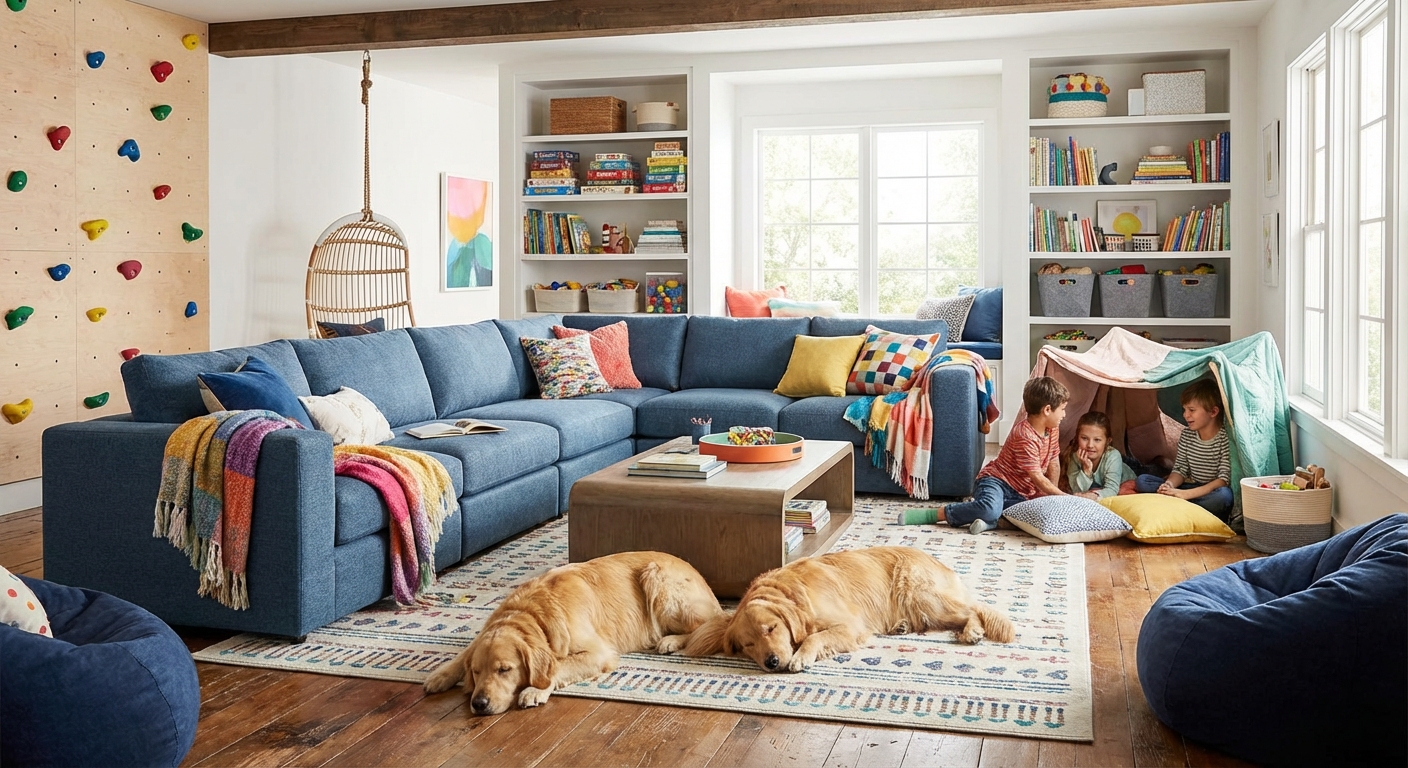
Slim arms, raised legs, balanced proportions.
Caveat: If your room is narrower than it appears in photos.
What to Do Next
Once you understand the logic, the hardest part is applying it to your room. Framehouse helps you see these recommendations in your actual space, so you can move forward confidently instead of second-guessing.
Think of Framehouse as your designer and contractor cousin. Unbiased advice, applied to your space.